Exploring Recent Developments in the Iran-Oman Talks
The ongoing situation in the Strait of Hormuz has sparked considerable debate, especially regarding the evolving narrative surrounding U.S. involvement in Iran-Oman discussions. Many commentators I once found reliable seem to be falling prey to narratives that paint the U.S. as an active participant in these talks. Are they losing their critical perspective? The recent statements by Treasury Secretary Scott Bessent seem to amplify a desperate narrative rather than lend credibility. Social media claims—including those from Truth Social and Axios—have asserted that a deal is imminent, but the reality on the ground tells a different story.
The recent uptick in President Trump’s inflammatory rhetoric, including his threats to “bomb Iran into dust,” coupled with sudden claims of peace negotiations, indicates that something might be unraveling behind the scenes. While increased volatility in the market often opens up opportunities for short-term trading gains, some analysts argue that the best course for Trump may be to weather the political storm of the midterms before making any significant moves. This assumes, of course, that there are no unexpected crises in the energy sector—like U.S. refinery shutdowns or major environmental disasters. Compounding matters, the ongoing blockade of Saudi shipping by Ansar Allah, coupled with Saudi Arabia’s reluctance to negotiate, will likely exacerbate economic pressures.
In this context, it would seem logical for Trump to attempt to de-escalate tensions and buy time. However, Iran has taken notice and made it clear that it will dictate the terms for ending hostilities. Their recent strike against U.S. operations in Jordan signifies a willingness to intensify their military operations rather than back down in response to U.S. threats.
Reports indicate that Iran perceives Trump’s threats as increasingly hollow, especially as more information comes to light concerning the limitations of U.S. military capabilities. The reality is that the U.S. cannot sustain a full-scale war indefinitely; they struggled to maintain the intensity of their initial strikes even during the early days of the conflict.
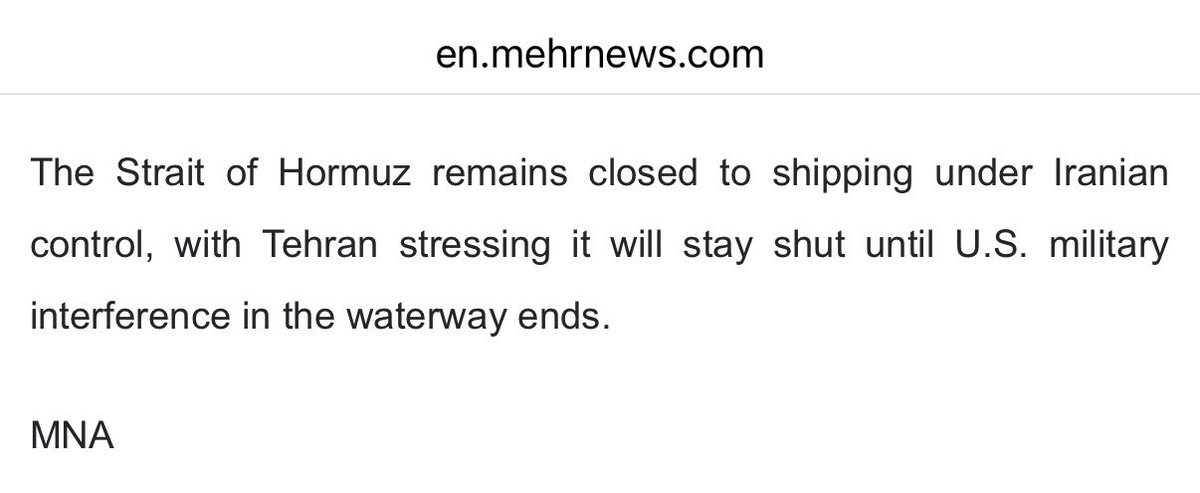
It should also be noted that many misunderstand the core of Iran’s discussions with Oman. Tehran looks to establish a clear position from Oman regarding the Strait of Hormuz and prioritize security arrangements before any future operations can commence. Ultimately, establishing control over this strategic waterway is crucial for both sides.
Iran erred by not securing Oman’s stance prior to signing the MOU. They seemed to operate under the mistaken belief that Oman, bound by the United Nations Convention on the Law of the Sea (UNCLOS), would act contrary to its obligations. Iran appeared taken aback by Oman’s execution of a previously proposed corridor initiative, which the U.S. had also supported.
Moreover, the U.S. misrepresented Iran’s statements regarding their talks with Oman, implying not just participation from the U.S. but also a near-immediate reopening of the Strait of Hormuz. These claims quickly gained traction, leading to a cascade of optimistic assertions from various sources, including Axios. For instance, Bessent proclaimed that an agreement could be reached imminently, even while Iran flatly denied that any talks with Washington were underway.
💵 🇺🇸 U.S. Treasury Secretary Scott Bessent stated an agreement with Iran to reopen the Strait of Hormuz could be established “today or tomorrow.” Despite recent tensions, he noted an uptick in shipping activity during an interview with CNBC.
However, Iran quickly rejected claims of negotiations with the U.S., asserting that talks are strictly with Oman, with mediation efforts from Qatar.
Iran has emphasized that no agreements will be reached until all issues are thoroughly addressed. They will not negotiate with the U.S. over the Strait of Hormuz without guarantees that align more favorably with their interests, including the release of frozen assets and a real commitment from the U.S. to alter its aggressive posture.
PressTV was quick to deny U.S. claims regarding negotiations, reaffirming Iran’s focus on bilateral discussions with Oman to solidify their maritime corridor. Notably, these talks hinge on ensuring that Iran’s sovereignty rights are upheld and recognizing their legitimate security concerns in light of U.S. actions. Iran is seeking a solution that facilitates safe commercial traffic without compromising its national security.
The existing bottlenecks in global maritime shipping, especially through crucial passageways like the Strait of Hormuz, Suez Canal, and Red Sea, are evident. The recent disruptions caused by geopolitical tensions could significantly affect global supply chains, underscoring the critical role the region plays in international trade.
While the situation remains fluid, the contrast between U.S. statements and Iran’s positions suggests a complex web of negotiations in which each party is keenly aware of its leveraging position. As we observe ongoing developments, one thing remains clear: the future of the Strait of Hormuz is tied to broader geopolitical factors, and any agreements will be contingent upon changes in U.S. behavior.
In conclusion, as the international community closely monitors the situation in the Strait of Hormuz, the implications of any agreements reached between Iran and Oman will resonate far beyond regional borders. As tensions flare and the stakes rise, it is essential for both parties to navigate this intricate landscape with caution and understanding.

