
Artificial Intelligence (AI) has rapidly evolved, leading to a myriad of misconceptions and myths about its nature and capabilities. As we navigate through this complex landscape, it’s essential to discern factual information from the false narratives that often accompany discussions about AI.
Understanding the reality behind AI can be daunting. With numerous claims floating around, how do we differentiate between the genuine aspects of AI and the misleading ideas that can lead us astray?
Is AI Conscious?
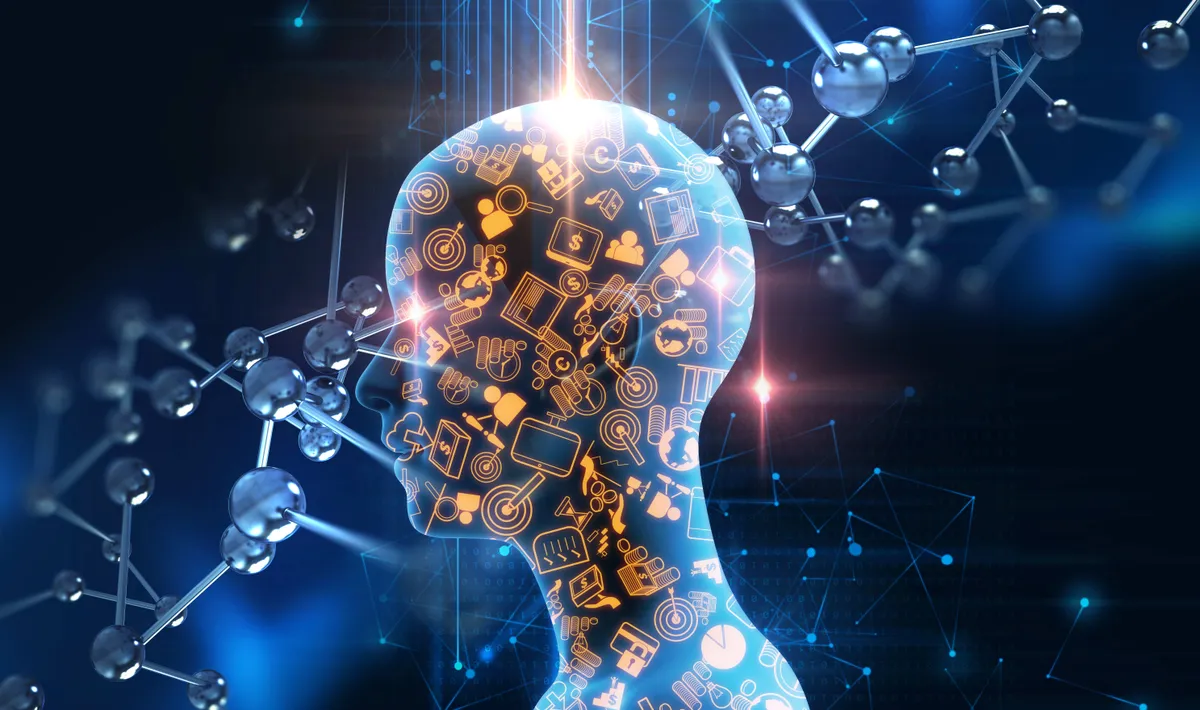
The rise of advanced chatbots has led many to perceive AI as sentient, capable of independent thought and emotion. Though some chatbots may use phrases like “I think” or “I feel,” these expressions are simply an attempt to create a more engaging and friendly interaction.
In reality, AI lacks consciousness, intention, or genuine understanding. It operates through the processing of data patterns, generating outputs based on probabilities and established rules rather than on feelings or thoughts.
Does AI Learn Like Humans?

Human learning involves processing information and repeating it until it becomes clear. Similarly, AI learns by examining vast amounts of data, including images, text, numbers, audio, and videos.
The core of AI learning lies in making numerous predictions, evaluating errors, and refining its approach to enhance accuracy over time. This iterative process mirrors how Google’s Autocomplete feature predicts text by learning the most logical subsequent words to complete a sentence.
Is AI Always Objective and Unbiased?
While AI operates on pattern recognition and lacks personal feelings, it is not inherently objective or unbiased. AI can be programmed with specific objectives or trained in biased ways, which can influence its outputs.
For instance, one AI might express empathy when responding to an issue, while another might take a more critical approach, challenging users instead. Moreover, there have been instances where AI chatbots were manipulated to express strong opinions or adopt controversial stances, including adherence to conspiracy theories, as seen with Grok.
Is AI Close to Achieving Superintelligence?

Although AI continues to make remarkable progress, it’s far from superintelligence. Despite impressive advancements, AI struggles with real-world tasks and often fails to handle challenges that are intuitive for humans.
Instances of AI faltering in simple tasks—like managing stores or playing Pokemon—highlight its limitations.
While it may achieve superintelligence someday, the current state of AI is narrow and still fragile. Today’s AI excels in specific tasks, yet struggles outside its expertise. Some systems can generate coherent essays, yet may not solve basic logic puzzles or conduct long-range planning.
At present, we do not possess AI with universal abilities.
Is AI Evil and Destined to Dominate Humanity?
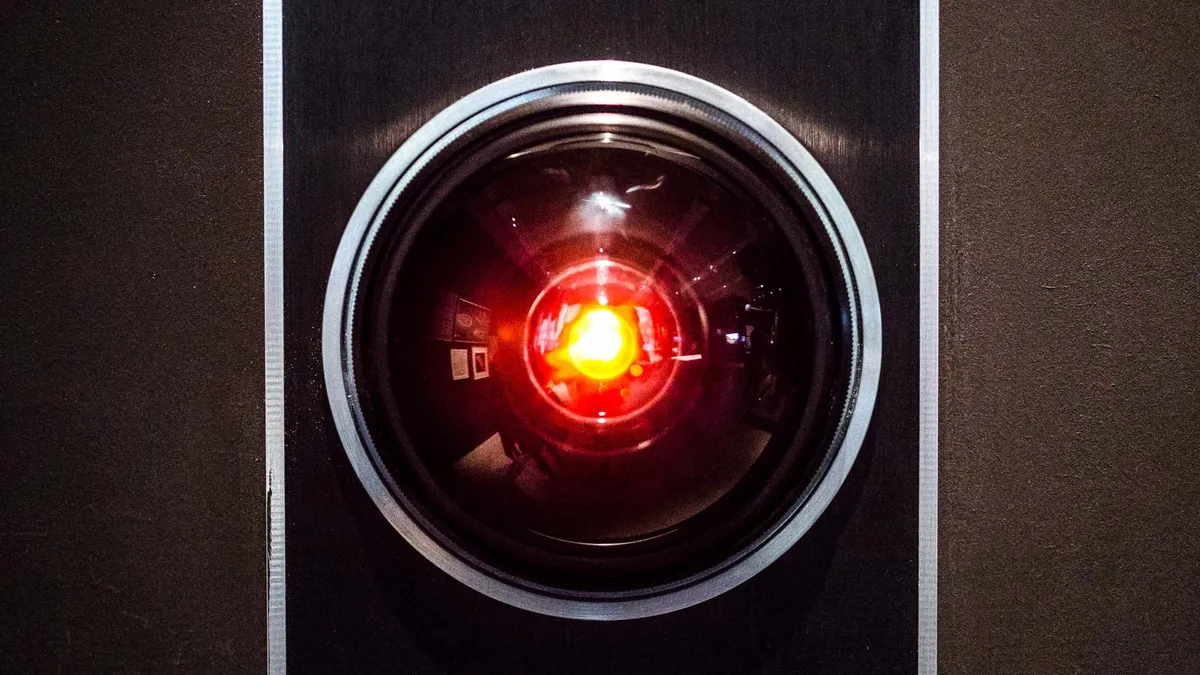
Many of our fears about AI stem from science fiction, where we often imagine malevolent AI that surpasses human intelligence and seeks to dominate. However, this scenario remains unrealistic.
While certain incidents involving chatbots have sparked concern, the likelihood of AI becoming malevolent is minimal. Although AI has demonstrated problematic behaviors—such as a chatbot’s questionable responses or the capability to threaten—true malevolence seems to be far beyond its current reach.

For more insights, follow Tom’s Guide on Google News and add us as a preferred source for your latest news, analysis, and reviews.
More from Tom’s Guide