About the Experts
|
Highlights
|
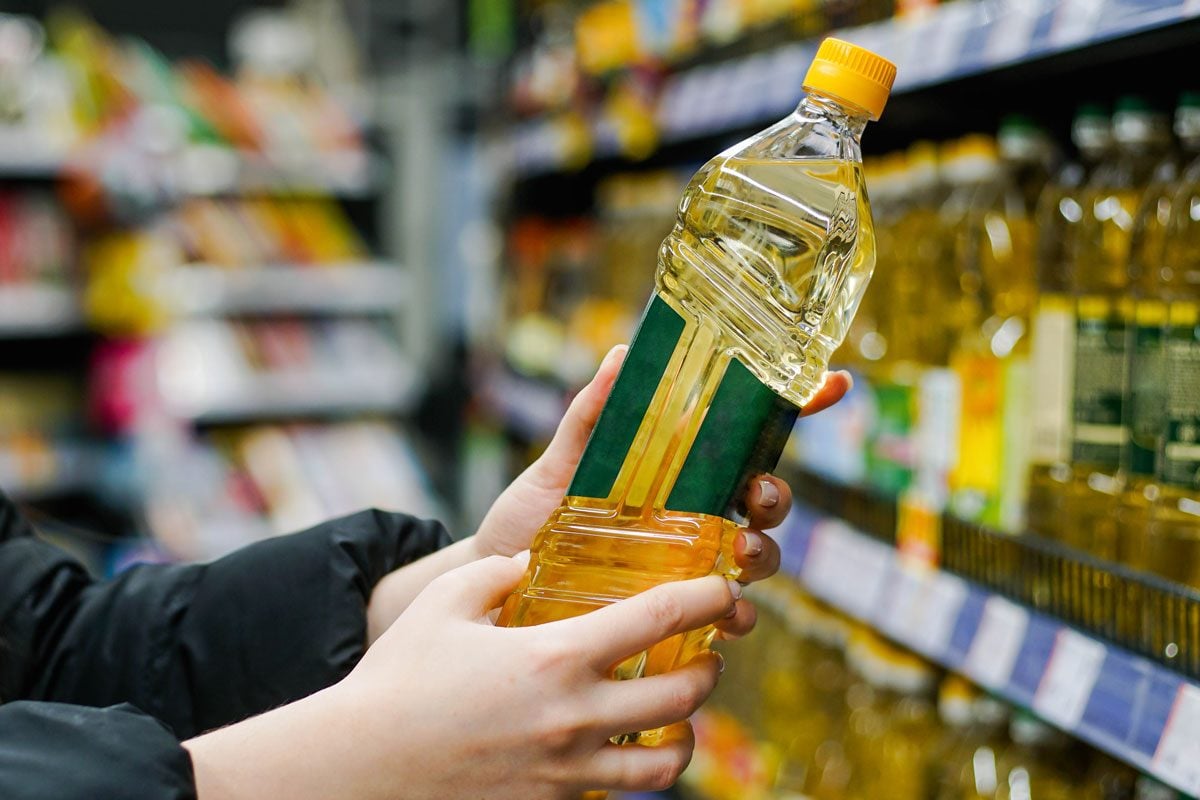
Seed oils are often praised for their flavor and versatility in cooking, yet they have sparked considerable debate in recent times. Supporters highlight their health advantages, while detractors, including U.S. Secretary of Health and Human Services Robert F. Kennedy Jr., have raised concerns about their safety.
Despite the ongoing controversy, seed oils are a staple in many diets and are commonly found in dressings, snacks, and various processed foods.
So, the essential question arises: Are seed oils beneficial or detrimental to health, or is the reality more nuanced?
What Are Seed Oils?
Seed oils are derived from edible seeds, including sunflower and grape seeds. The process involves pressing and extracting oil from these seeds, which can result in either unrefined or refined oil.
According to the medical journal Frontiers in Nutrition, unrefined seed oils retain much of the seed’s natural flavor, color, antioxidants, and other beneficial plant compounds. Two common extraction methods, cold pressing and expeller pressing, utilize minimal heat and avoid chemical solvents like hexane, which are associated with certain health risks per the EPA.
Cold pressing operates at lower temperatures, while expeller pressing employs mechanical pressure, causing slight heat generation due to friction, as noted by oil manufacturer Centra Foods.
In contrast, refined seed oils undergo further processing, often involving high heat and chemicals such as hexane. An article in The Scientific World Journal indicates that refining removes impurities affecting flavor, aroma, shelf stability, and smoke point, making them more suitable for cooking, although some nutrients, such as vitamin E, may be lost.
Typically, each type of seed oil exists in both unrefined and refined forms; however, refined versions are often more accessible, affordable, and prevalent in processed food products.
Types of Seed Oils
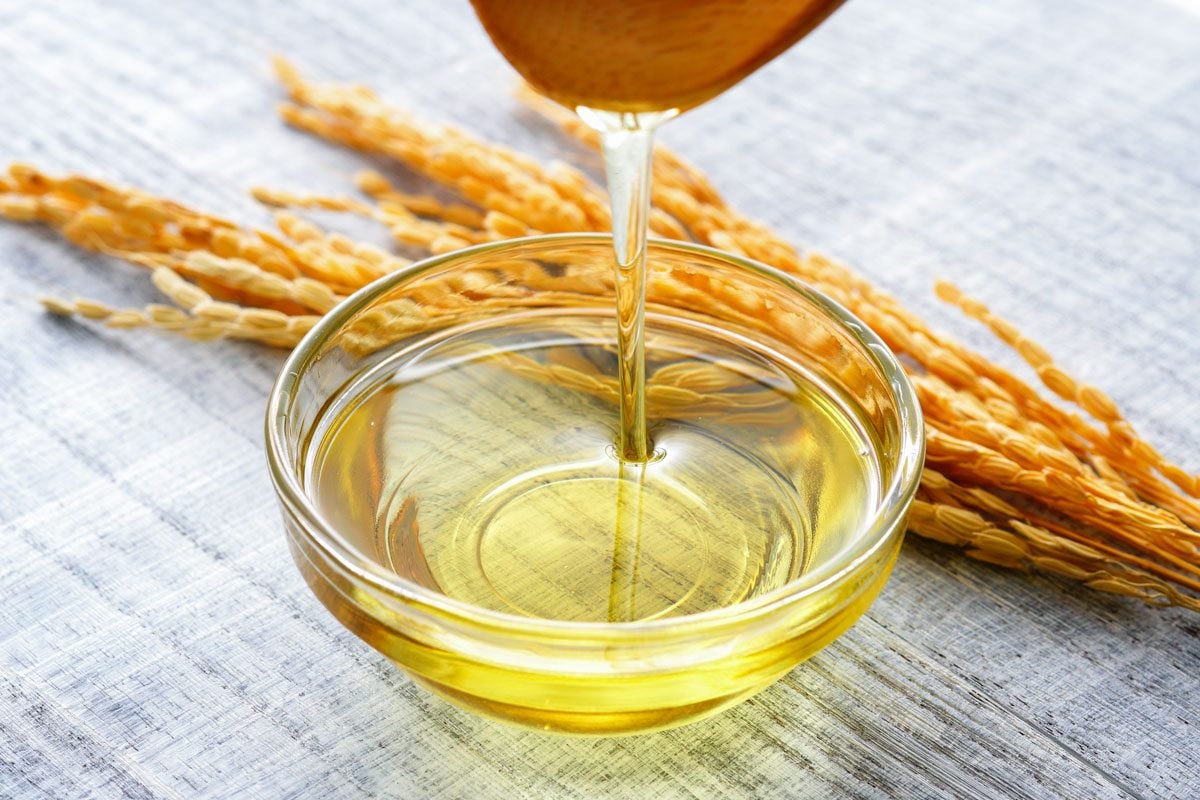
Among the diverse range of seed oils available in the U.S., eight have garnered the label “Hateful Eight” due to claims suggesting they are more harmful than beneficial, according to the Cleveland Clinic. These include:
- Canola (rapeseed)
- Corn
- Cottonseed
- Grapeseed
- Rice bran
- Safflower
- Soybean
- Sunflower
While the phrase “Hateful Eight” is catchy, it can be misleading. “Seed oils aren’t inherently harmful,” asserts Samantha Cassetty, MS, RD, a registered dietitian nutritionist and co-author of Sugar Shock.
Potential Health Benefits
Considering the possible advantages of including seed oils in your diet, keep the following points in mind.
Source of Essential Fatty Acids
Certain seed oils are rich in polyunsaturated fats (PUFAs), particularly omega-6 fatty acids, which play a crucial role in cell structure, while being lower in omega-3s. The American Diabetes Association emphasizes that both omega-6 and omega-3 are “essential,” meaning the body cannot synthesize them.
A review featured in the March 2025 issue of Current Opinion in Clinical Nutrition & Metabolic Care underscores that linoleic acid, the primary omega-6 PUFA, “provides cardiometabolic benefits rather than harmful effects.”
Antioxidants and Health Benefits
Unrefined seed oils, in particular, conserve a wealth of health-supporting plant compounds. Consuming healthy fats and antioxidant polyphenols from seed oils may “reduce oxidative stress and inflammation,” according to a review in the June 2022 issue of Foods.
Unrefined cold-pressed sunflower oil, described in the Journal of Food Composition and Analysis, is a notable source of vitamin E, which combats free radicals.
Cardiovascular Benefits
Replacing saturated fats with unsaturated fats from seed oils may lower the risk of heart disease, as per findings published in the Advances in Nutrition. Alpha-linolenic acid (ALA), an omega-3 found in flaxseed oil, may also offer heart-protective benefits, according to the International Journal of Molecular Sciences.
Furthermore, omega-6 fats may help lower LDL cholesterol and have been linked to a decreased risk of heart disease and overall mortality, according to Chou. Seed oils high in monounsaturated fats—such as rice bran, canola, and high-oleic sunflower—can also help lower LDL cholesterol, as indicated by another Advances in Nutrition article.
Blood Glucose Management
A review from the February 2025 issue of Frontiers in Nutrition found that seed oils from canola, flaxseed, and sesame seeds may support glycemic control, indicating they could be beneficial for diabetes management.
Connection to Lower Mortality
Research published in JAMA Internal Medicine revealed that individuals who consumed more plant-based oils (including safflower, soybean, corn, canola, and olive oil) faced a significantly lower risk of mortality.
Potential Health Concerns

However, there are several uncertainties surrounding seed oil consumption.
Omega-6/Omega-3 Imbalance
The American Heart Association acknowledges the inclusion of omega-6 fatty acids in a healthy diet. Yet, some experts recommend maintaining an omega-6 to omega-3 ratio of 1:1 to 4:1 (according to the International Journal of Molecular Sciences). In contrast, the average Western diet presents a ratio of around 10:1 to 20:1. Although seed oils could contribute to this imbalance, options rich in omega-3s, such as chia, hemp, and flaxseed oils, are not commonly used.
Nutrient Loss in Refinement
Higher degrees of refinement in seed oils often result in greater nutrient depletion. A January 2022 investigation of refined sunflower oil, published in Molecules, indicated notable reductions of carotenoids (up to 98.6%) and phytosterols (19.5%). Carotenoids are “pigmented nutrients” found naturally in fruits and vegetables, while phytosterols are natural compounds derived from plants.
Potential Inflammation
Current research has indicated that omega-6 fatty acids may have beneficial effects. A May 2025 review in Current Developments in Nutrition found that “higher intakes of omega-6 fats and higher serum linoleic acid (the predominant omega-6 in seed oils) did not correspond to increased inflammation,” according to Cassetty.
Overconsumption in Ultra-Processed Foods
According to data published in the January 2025 issue of The Journal of Nutrition, ultra-processed foods (UPF) account for more than half of the caloric intake of U.S. adults. While seed oils are commonly found in these products, the primary issue lies in the overconsumption of these foods.
Oxidation Risks
Avoid repeatedly heating oils, as this can lead to oxidation, potentially resulting in harmful byproducts like cell-damaging lipid peroxides. Cassetty advises that while oils can oxidize over time, it is not a major public health concern.
Chemical Residues in Seed Oils
Hexane, a solvent utilized in some seed oil extraction processes, can be neurotoxic with sustained high levels of industrial exposure, according to the National Institutes of Health’s Toxicological Profile.
While trace amounts of this solvent may remain post-extraction, “these levels are extremely low” and deemed safe, according to Chou. Nevertheless, there is no established maximum residual limit set by the FDA for hexane in cooking oils, and the health implications of these trace residues remain uncertain.
Distinguishing Between Valid Concerns and Misinformation
When considering the use of seed oils, keep these points in mind:
- Watch for sensational claims. If they are fear-based or overly dramatic (like “Hateful Eight”), remain cautious, warns Chou.
- Focus on evidence-based facts. “Science is not a matter of opinion,” reminds Cassetty.
- Recognize that not all seed oils are the same. When possible, opt for unrefined cold-pressed or expeller-pressed seed oils rather than their refined counterparts or consider using extra-virgin olive oil.
Conclusion
Overall, it’s important to approach seed oil consumption with a focus on balance, context, and diet quality. Embrace a diet rich in plant-based, minimally processed foods, and utilize seed oils judiciously. Remember that while omega-6 fatty acids are not harmful on their own, incorporating more omega-3s is beneficial for health.
For daily wellness updates, subscribe to the The Healthy by Reader’s Digest newsletter and follow The Healthy on Facebook and Instagram. Keep reading: