Lactate has historically been viewed as detrimental to cyclists, associated with fatigue and muscle soreness. However, recent research and advancements in sports nutrition are reshaping this perception, highlighting lactate as a valuable energy source.
### Lactate Gels in Cycling
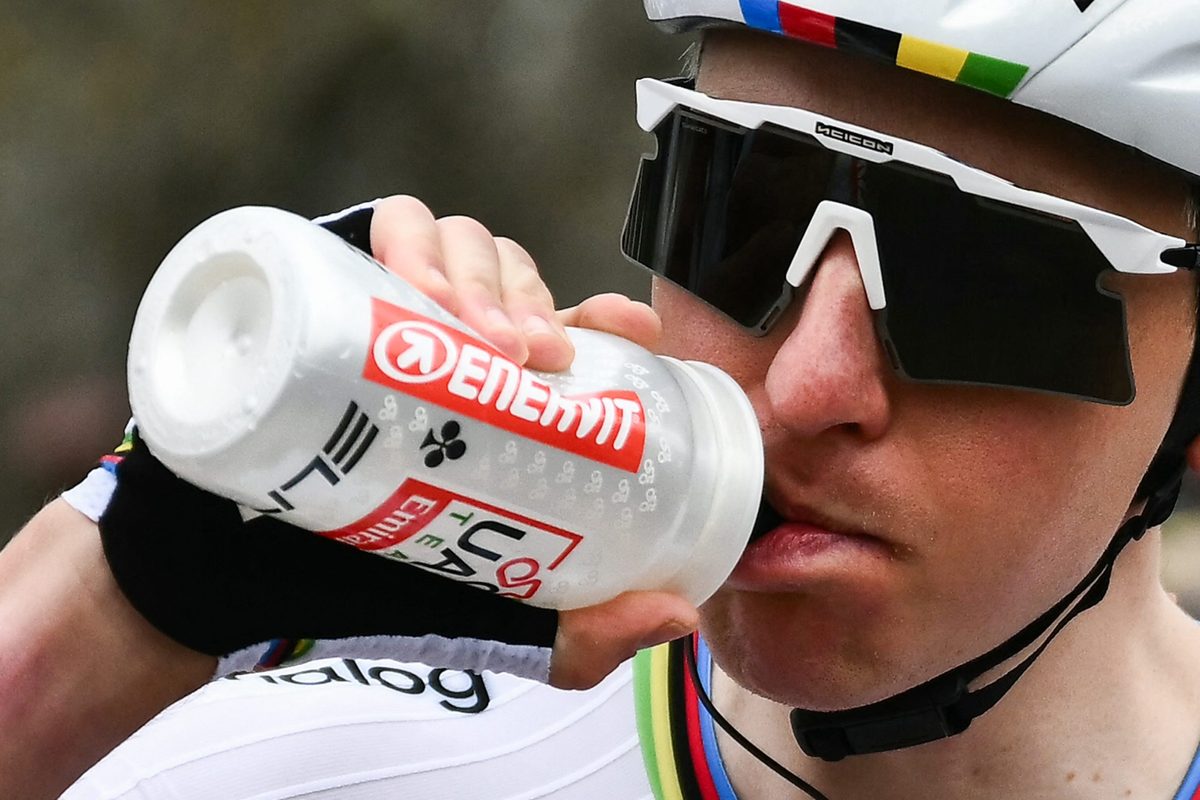
During the 2026 Tour de France, Tadej Pogačar and his UAE Team Emirates XRG teammates utilized a novel lactate gel mix from Enervit. This product combines carbohydrates (90g) in a 2:1 ratio of glucose to fructose with 10g of lactate, aiming to provide cyclists with a supplementary energy source during taxing race phases.
### Scientific Endorsement
The development of this lactate gel is grounded in extensive research by Professor George A. Brooks of the University of California. He posits that lactate is naturally produced and used by muscles, heart, and brain during exercise, challenging its conventional portrayal as merely a waste product.
### Mechanism of Action
Traditional carbohydrate consumption has limitations, with benefits peaking around 60g per hour. The addition of fructose allows for increased absorption due to different intestinal transporters. Lactate’s inclusion further expands energy absorption capabilities, utilizing its own transport mechanism and potentially providing quicker energy without the delays associated with its production from carbohydrates.
### Potential Benefits
Aside from enhancing energy availability, lactate may also reduce acidity in muscles and decrease perceived fatigue levels, a claim that remains under investigation.
### Critical Perspectives
Despite the excitement surrounding lactate gels, skepticism exists within the sports nutrition community. Studies suggest that while exogenous lactate can slightly enhance performance and comfort, it may not provide a definitive edge in competitive scenarios. Some experts argue that its energy yield is lower than glucose and could complicate gut absorption.
### Conclusion
The integration of lactate gels into elite cycling raises important questions about the future of sports nutrition. While they may not guarantee a competitive advantage, ongoing research and development in this field ensure lactate gels will remain a focal point in athletic performance discussions.