The article discusses the rising trends of “proteinmaxxing” and “fibermaxxing,” emphasizing the recent hype around increasing intake of these nutrients. Here are the key points discussed:
-
Trend Overview: Both protein and fiber are being highlighted in health conversations, leading to unique products and recipes displaying high levels of these nutrients, like protein-packed snacks and fiber-rich foods.
-
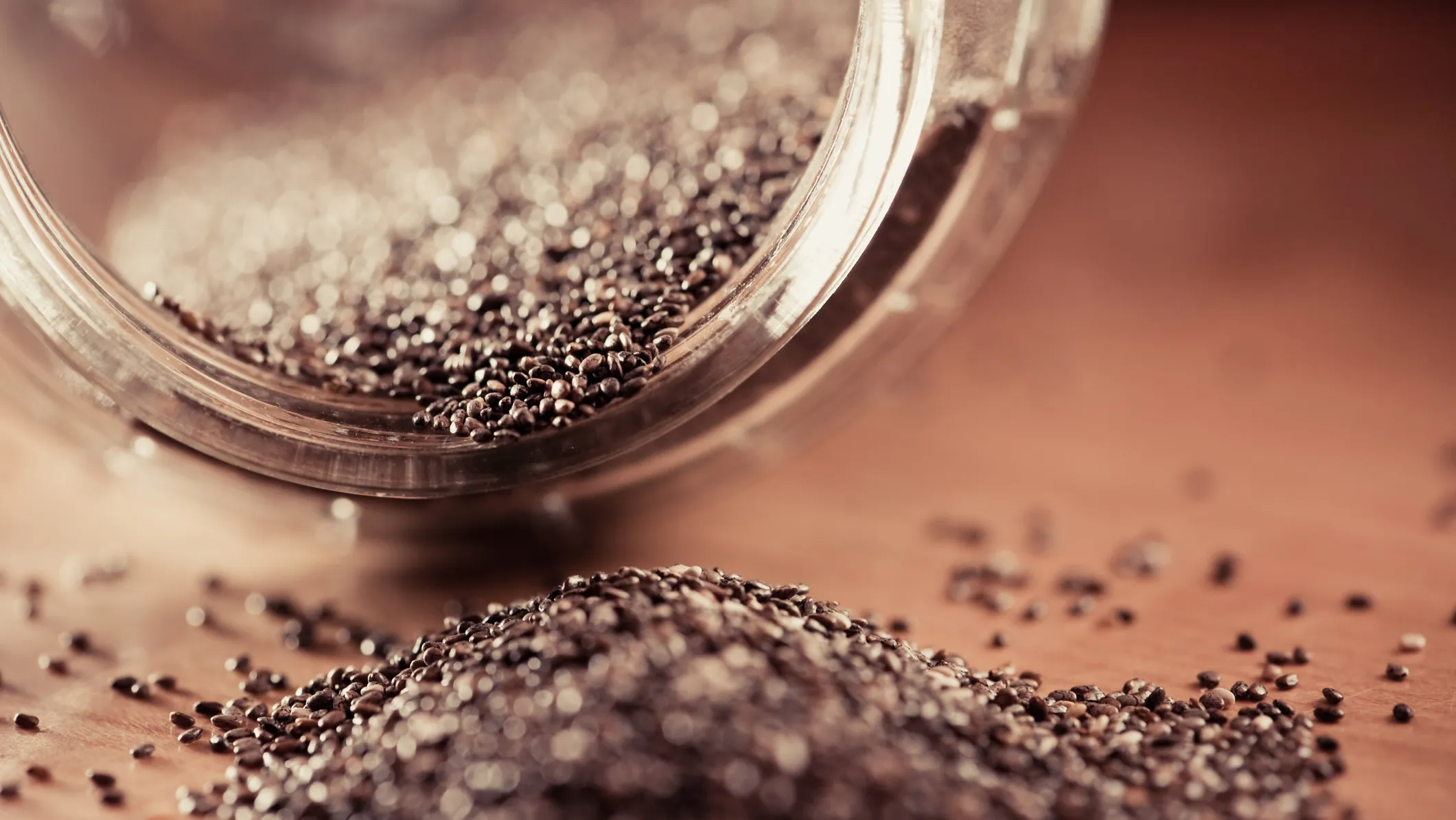
Social Media Influence: TikTok has amplified these trends, with users sharing varying responses to unusual combinations, such as chia seeds added to ice cream or soda. While some see it as a beneficial tweak, others voice skepticism about the effectiveness of such additions.
-
Expert Insight:
- Tara Schmidt, a registered dietitian, mentions that while adding chia seeds can increase fiber intake and potentially improve fullness, it’s not a magic solution for unhealthy eating habits.
- In terms of protein, while protein waters and supplements are becoming popular, most people meet their protein needs through their regular diets and should focus on nutrient-dense food instead.
-
Dietary Recommendations:
- Adults should aim for about 22 to 34 grams of fiber daily, but many do not meet this requirement.
- Conversely, Americans generally consume sufficient, if not excessive, amounts of protein.
-
Caution Against Overemphasis: Experts warn that solely focusing on increasing specific nutrients can detract from a balanced diet. A diverse intake of various foods—including oats, beans, fruits, and nuts—remains essential for overall health.
-
Philosophy on Nutrition: Nutrition should prioritize a consistent, balanced pattern over time rather than seeking perfection with individual foods or supplements.
Overall, while enhancing fiber and protein intake can have health benefits, it shouldn’t come at the expense of a well-rounded diet.