NEW YORK CITY — A new trend is emerging in the world of nutrition: fiber is rapidly gaining attention as the next essential nutrient of the year.
Consumers, especially those in Gen Z, are increasingly focused on digestive health, fueling the “fibermaxxing” movement prevalent on TikTok. As individuals seek to enhance fiber content in their diets, food manufacturers are responding with a wave of innovative, fiber-centric products.
Sherry Frey, a leading expert in health and wellness at NIQ, noted, “There is a growing consumer demand for improved digestion and gut health, which has been a trend for the past few years.” She emphasized that younger generations recognize the connection between digestive well-being and benefits such as better skin and enhanced cognitive function.
Research from Dataessential, a food and beverage analytics company, reveals that 52% of consumers are eager to embrace “fibermaxxing,” while 42% believe that foods labeled as “high fiber” are inherently healthier.
Frey highlighted that the fiber trend builds on previous health-oriented movements. Following the surge in hydration awareness, driven by products like Liquid I.V. and Electrolit, and the enduring popularity of protein, fiber is the logical next step. She described this convergence of trends as a “perfect storm.”
Moreover, Frey pointed out that fiber has been shown to stimulate the release of GLP-1, a hormone associated with appetite suppression in weight-loss medications such as Wegovy, which are becoming increasingly popular.
Big Food Responds
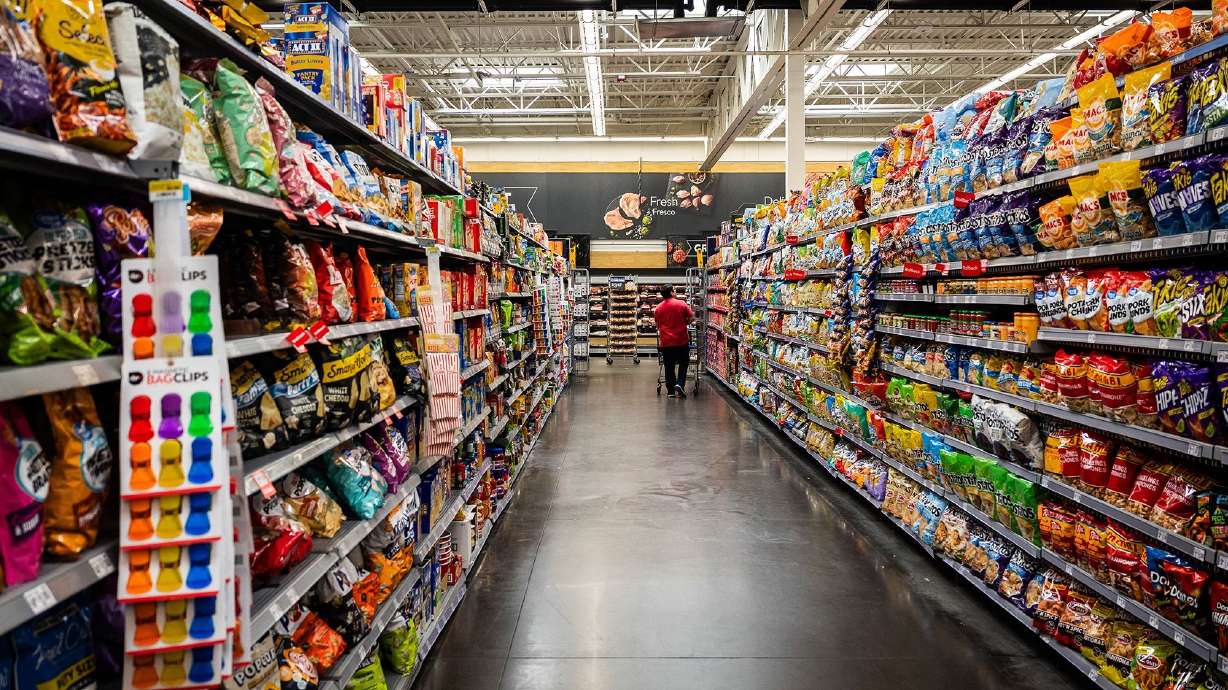
The growing consumer interest in fiber is already evident in grocery stores. Whole Foods has forecasted that by 2026, shoppers can expect to see “more fiber-forward labeling” and an increased variety of products containing added fiber.
Thrive Market, a membership-based online grocery store, reported a 30% increase in the use of fiber-related terms over the past year as shoppers gravitate toward fiber-rich snacks, bars, and supplements, according to a spokesperson.
Major food companies are taking notice. PepsiCo’s CEO Ramon Laguarta mentioned in a recent earnings call that “fiber will be the next protein.” He added that consumers are beginning to recognize fiber as a crucial dietary component, with the majority of Americans not meeting their daily fiber recommendations. According to U.S. government data, over 90% of women and 97% of men fall short of their fiber intake goals.
PepsiCo is already expanding its beverage lineup with fiber-enriched offerings. Last summer, the company introduced a gut-friendly soda, “Pepsi Prebiotic Cola,” following its acquisition of Poppi. More fiber-enhanced products are in development, including updated versions of SunChips, Smartfood popcorn, and Propel hydration packets.
Meanwhile, McDonald’s CEO Chris Kempczinski predicted via his Instagram that fiber “is going to be big” in 2026, suggesting that the fast-food giant may soon explore this trend.
Frey anticipates that snacks, especially chips and puffed crackers made from legumes and beans, will become a major battleground for fiber products. However, she cautioned that taste remains a critical factor: “Consumers are open to making a trade-off, but not if the flavor isn’t up to par,” she stated. “Despite economic conditions, they are willing to invest a bit more in these types of products.”
Private labels from major grocery chains are also entering the wellness market with fiber-enhanced offerings at more accessible prices. For instance, Aldi recently revamped its in-house line to include alternatives to healthier sodas and meal bars. Walmart is also expanding its Bettergoods line, which consists of food items featuring plant-based ingredients.
Is This Healthy?
Health experts recommend that adult women consume 25 grams of fiber daily, while adult men should aim for 35 grams. Nutritionist Paul Kriegler from Life Time Fitness affirmed that this increasing focus on fiber is a generally positive trend. However, he advised that pre-packaged products shouldn’t be viewed as the sole solution to fiber deficiency. Kriegler encouraged consumers to prioritize fresh fruits and vegetables as their primary sources of fiber.
The latest U.S. dietary guidelines emphasize the importance of “real food,” including “fiber-rich whole grains,” while encouraging a reduction in highly processed foods.
“I’ve always advised my clients to consume a pile of vegetables the size of their head every day,” Kriegler told CNN. “Ironically, many of the best foods to support ‘fibermaxxing’ don’t even come with labels; they can be found fresh in the produce section.”
The Key Takeaways for this article were generated with the assistance of large language models and reviewed by our editorial team. The article, itself, is solely human-written.