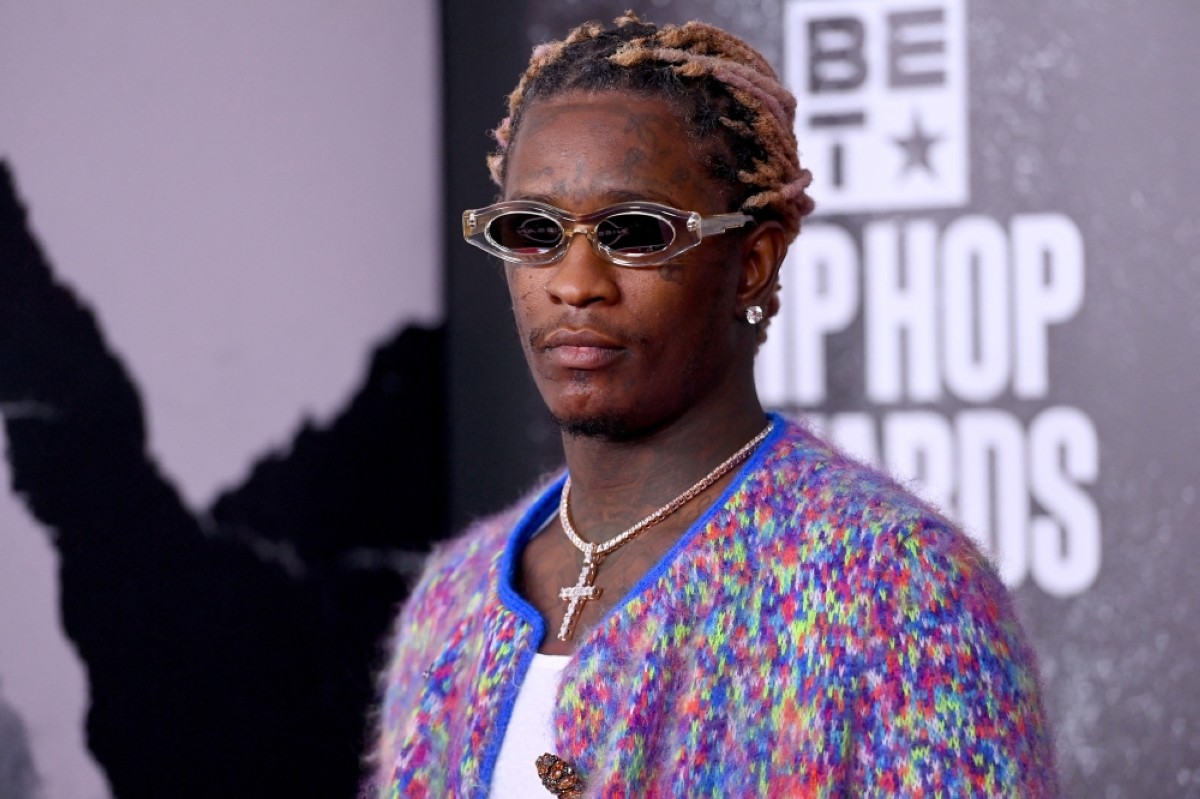
The upcoming trial of rapper Young Thug, who faces gang conspiracy charges, has reignited the debate over the admissibility of rap lyrics as evidence in court. Critics argue that this practice infringes on free speech rights and unfairly targets artists of color, often taking lyrical content out of context.
Despite the defense’s attempt to exclude these lyrics from evidence, Atlanta Judge Ural Glanville ruled that prosecutors can present 17 sets of lyrics, with more allowed if they can establish relevance to the alleged crimes. The American Civil Liberties Union has previously challenged the use of rap lyrics in legal proceedings, emphasizing that both lyrics and accompanying visuals are protected under free speech rights.
Prosecutors assert that Young Thug’s record label, Young Stoner Life (YSL), serves as a front for gang activities linked to the Bloods street gang. However, the defense maintains that YSL is merely a music label, arguing that rap is unjustly treated as criminal evidence unlike any other genre.
Reports suggest that the portrayal of rap in legal settings has historically skewed negative, potentially affecting jurors’ perceptions of guilt. Expert opinions suggest the prosecution may exploit lyrical content as a fallback when lacking substantial evidence. As the trial approaches, it highlights broader issues of racial bias within the legal system, particularly concerning artistic expression. The trial is expected to continue into 2024, with hundreds of witnesses lined up.