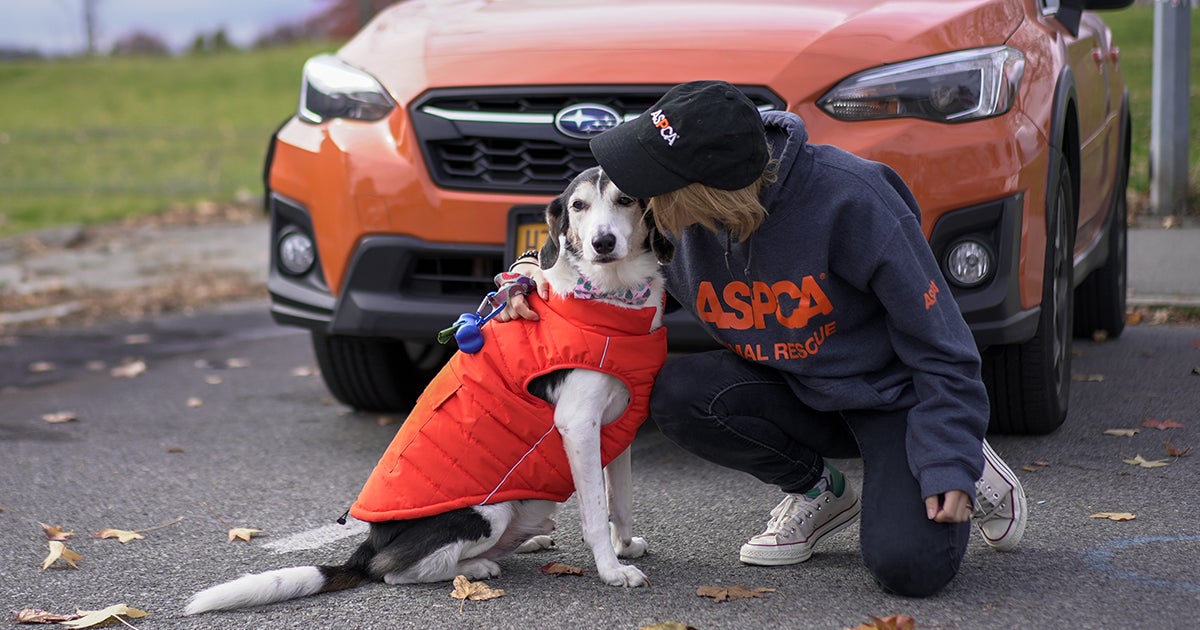
National Pet Travel Safety Day: Tips for a Safe Road Trip with Your Furry Friend
To celebrate National Pet Travel Safety Day on January 2, here are essential tips from the ASPCA Relocation team to ensure a safe and enjoyable road trip with your pet!
Do: Prep Your Pet for a Long Journey
- Start with short drives to acclimate your pet, gradually increasing the length of time spent in the car.
Don’t: Ignore Vaccinations
- Always update your pet’s vaccinations and carry their health records. It’s vital for their protection and required for interstate travel. Check with your vet about appropriate vaccinations.
Do: Ensure Proper Identification
- Attach a tag with your contact information to your pet’s collar or harness and consider getting a microchip. This can help reunite you if your pet gets lost.
Don’t: Assume Your Pet Won’t Run Away
- Always keep your pet restrained in unfamiliar settings. Updated ID is essential if a pet goes missing.
Do: Secure Your Pet in the Vehicle
- Use a hard-sided carrier secured to the vehicle. Ensure it’s spacious enough for your pet to move comfortably. Avoid collapsible crates.
Don’t: Allow Your Pet to Ride with Their Head Out the Window
- This is unsafe. If not using a crate, keep your pet harnessed in the backseat, as airbags aren’t pet-friendly.
Do: Take Rest Breaks
- Allow your dog to stretch and enjoy the journey.
Don’t: Let Your Pet Approach Unfamiliar Dogs
- Not all pets are comfortable with new friends. Avoid risks of exposure to diseases or parasites.
Do: Pack a Pet-Friendly Travel Kit
- Include food, bowls, waste bags, grooming supplies, medication, first-aid kit, and travel documents. Bring familiar items for comfort.
Don’t: Feed Your Pet in a Moving Vehicle
- This can lead to nausea. Feed them a few hours before departure and offer small snacks during the trip.
Do: Bring Plenty of Water
- Use bottled water or water from home to prevent stomach upset.
Don’t: Leave Your Pet in a Parked Vehicle
- Inside a parked vehicle, temperatures can rise rapidly, posing a serious risk.
Conclusion
By following these guidelines, you’ll ensure a safe and enjoyable journey for both you and your pet. For any concerns about potential toxins, contact your veterinarian or ASPCA Poison Control at (888) 426-4435.
Happy travels!