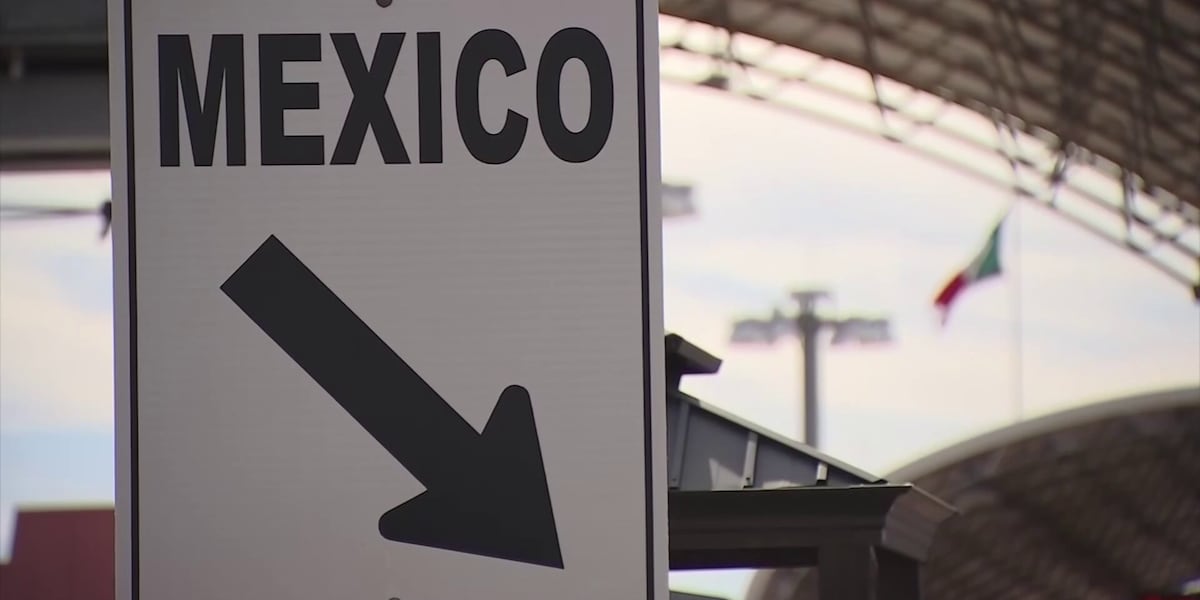
New Guidance for Dog Travelers at the U.S.-Mexico Border
YUMA, AZ (AZFamily) — Recent updates from U.S. and Mexican agriculture and health agencies are prompting changes for travelers bringing dogs across the border. These measures are primarily a response to concerns surrounding the New World screwworm, a parasite that typically affects livestock but can also impact other animals.
Officials have stated that while Arizona has yet to report a case of dogs infected with this parasite, the U.S. Department of Agriculture, along with its Mexican counterpart, is adopting a cautious approach. As such, certain travelers may face restrictions on taking dogs into Mexico. Additionally, those returning with dogs to the U.S. may need to provide proof that their animal is free from infection.
Local Insights
Gina Benner, CEO of Barb’s Dog Rescue, often crosses at the Lukeville Port of Entry with rescue dogs. She mentioned that she hasn’t observed any new screening measures yet. “We are aware of all the recent news about new requirements, and we are following it,” Benner said.
Currently, there are six confirmed cases of New World screwworm in parts of Texas and New Mexico. Despite the reports, Benner noted, “Bringing your pets into Mexico… it’s business as usual at the Lukeville border.”
Understanding the New World Screwworm
Screwworms are the larvae of a particular fly species that feed on living tissue, entering through open wounds. In dogs, symptoms can include:
- Painful wounds that don’t heal
- Swelling
- Loss of appetite
- Presence of visible worms in a wound
Concerns from Pet Owners
This situation is raising alarms for travelers, especially those who routinely take their pets for veterinary care in Mexico. Yuma resident Joel Beltran, who crosses at the San Luis Port with his dog, expressed concerns about future regulations impacting his ability to seek veterinary services for his animals.
Tourism Impacts
The screwworm issue is already affecting the cattle industry, causing some U.S. ranchers to face restrictions on cattle purchases from Mexico. It also poses potential implications for tourism, as many Americans travel with their pets to popular beach destinations in Mexico.
For now, travelers are advised to stay informed about border requirements, particularly if they plan to cross with dogs.
Copyright 2026 KTVK/KPHO. All rights reserved.