Market Insights and Economic Trends
As global economic challenges continue to unfold, the fixed-income markets in the U.S. are starting to fulfill their traditional role of providing stability when equity markets falter. While it remains uncertain whether this trend will continue for an extended period, the expectation of further interest rate hikes adds layers of complexity to the discussion.
Current Economic Climate
Several key developments have shaped the current economic landscape:
- U.S. retail sales for June exceeded projections, indicating potential consumer resilience.
- Federal Reserve officials imply a possible interest rate increase of 0.75 percentage points in upcoming sessions.
- Economic struggles are becoming prevalent across Europe and Russia.
- Although consumer sentiment saw a slight increase in July, it remains near historical lows.
- U.S. industrial output experienced its first monthly decline in June this year.
- Earnings season has begun slowly, providing further headwinds for the stock market.
- A strong dollar may assist the Federal Reserve in controlling inflation.
- The labor market outlook remains uncertain due to mixed job data.
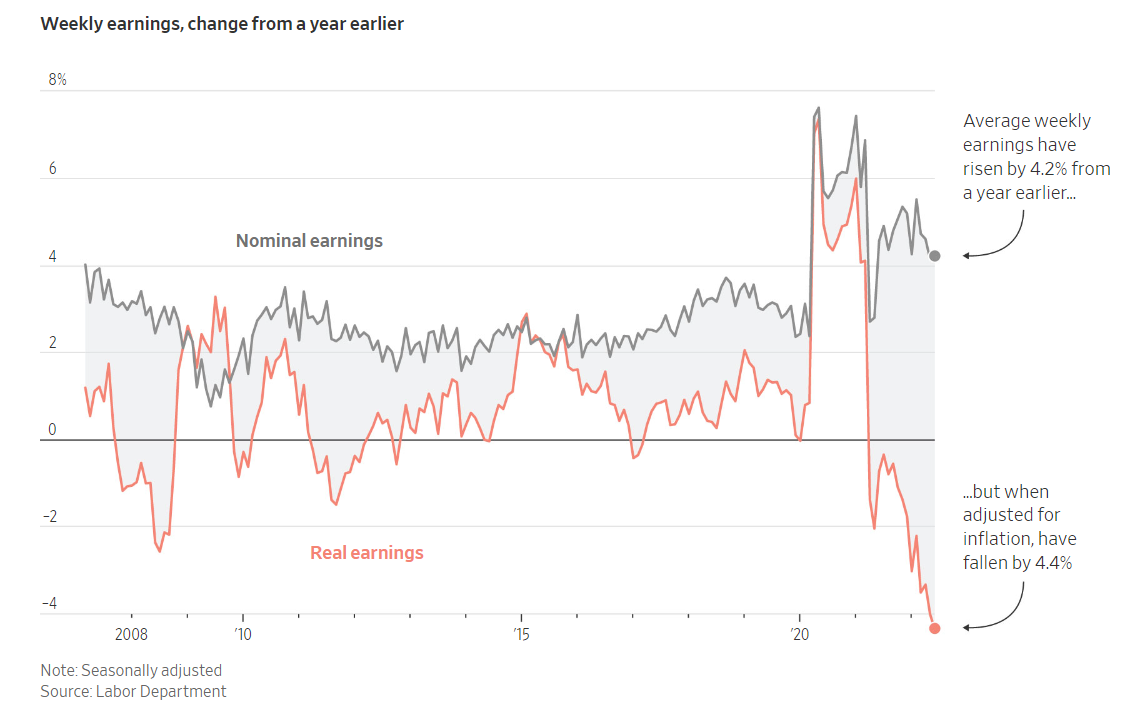
- Real wage growth is adversely affected by rising inflation.
Investment Strategies and Insights
In his book The Win-Win Wealth Strategy: 7 Investments the Government Will Pay You to Make, Tom Wheelwright challenges conventional wisdom on wealth building. He argues that tax incentives should not be viewed as loopholes but rather as strategies endorsed by governments worldwide. Through comprehensive research across 15 countries, he identifies seven investment strategies that can enhance wealth while benefiting society.
Stock Market Stability and Risks
While the U.S. stock market has shown signs of stabilization in recent weeks, a downside bias persists. This is underpinned by numerous risk factors:
- A weak technical profile.
- Persistent high inflation, likely prompting the Federal Reserve to continue raising interest rates.
- A growing threat of a potential U.S. recession.
- Ongoing global economic uncertainties fueled by the war in Ukraine.
Global Economic Indicators
Recent figures from China indicate a GDP growth rate of only 0.4% for Q2, prompting concerns over economic momentum. Other notable highlights include:
- China reporting its highest daily Covid-19 cases in seven weeks amid increasing lockdowns.
- Italy facing a political crisis, with calls for a reconsideration of the prime minister’s resignation.
- Joe Manchin, a pivotal Democratic senator, has rejected proposed climate and tax measures.
- U.S. jobless claims have reached their highest level in nearly eight months.
- Despite speculation around more Federal Reserve rate hikes, the 10-year Treasury yield has remained below 3%.
Inflation and Future Outlook
The latest U.S. consumer inflation data for June has surprised analysts, leading to expectations of an accelerated pace of interest rate hikes at the upcoming Federal Open Market Committee (FOMC) meeting. While peak inflation seems elusive, there are faint signs suggesting a potential turning point in the near future. The question lies in how much weight should be given to these positive indicators.
Further Developments
- Encouragement around the possibility of resuming Ukraine’s grain exports.
- Futures markets signal a high likelihood of a 100-basis-point rate hike.
- The Federal Reserve’s Beige Book notes rising concerns over price increases.
- Major U.S. crypto lender Celsius Network has filed for bankruptcy.
- The Atlanta Fed’s business inflation expectations survey remains stable at +3.7% for July.
- Rents in the U.S. are rising at the fastest pace since 1986.
The American Stock Market’s Future
Historically, favoring American stocks has been a reliable investment strategy; however, market conditions are always changing, and the timing of these changes remains a profound mystery.
Conclusion
As the economic landscape continues to shift, staying informed about market trends and emerging risks is crucial for investors. Whether navigating challenges posed by inflation or geopolitical tensions, a strategic approach will remain essential in achieving financial stability and growth.

