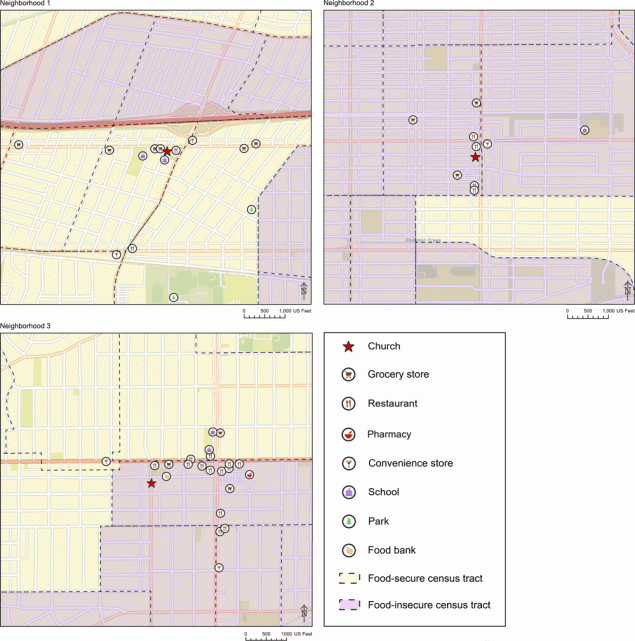
This document discusses a study on the food environment in three neighborhoods in South Los Angeles, with a focus on access to healthy food sources, food availability, quality, and marketing practices. It highlights the challenges faced in food deserts—areas with limited access to affordable and nutritious food—and stresses the importance of using community-based participatory research to address obesity and nutrition-related disparities.
Key Findings:
- Food Security Status: Neighborhoods displayed varying levels of food insecurity, with Neighborhood 1 showing moderate access and quality of healthy food, while Neighborhoods 2 and 3 had poorer outcomes.
- Healthy Food Availability: More than half of the food retail stores did not sell fresh fruits or vegetables, and many stores had limited produce options.
- Emergency Food Sources: There was a scarcity of emergency food outlets; only one food pantry was found, and no farmers markets were present.
- Marketing Practices: Few stores met standards for healthy marketing practices, with unhealthy food options predominating in mobile vendors outside schools.
Strategies for Improvement:
The study suggests significant community-based strategies, particularly through church involvement, to improve food access and nutrition. These include:
- Developing food pantries in food-insecure areas.
- Collaborating with mobile food vendors to increase healthy food offerings.
- Creating community gardens.
Conclusion:
Mapping food environments provides valuable data to inform effective community strategies aimed at promoting healthy eating and mitigating food insecurity, particularly in low-income neighborhoods. Future initiatives could enhance community engagement by training residents to collect and analyze food environment data.