Key Findings on Glucosamine and Alzheimer’s Disease
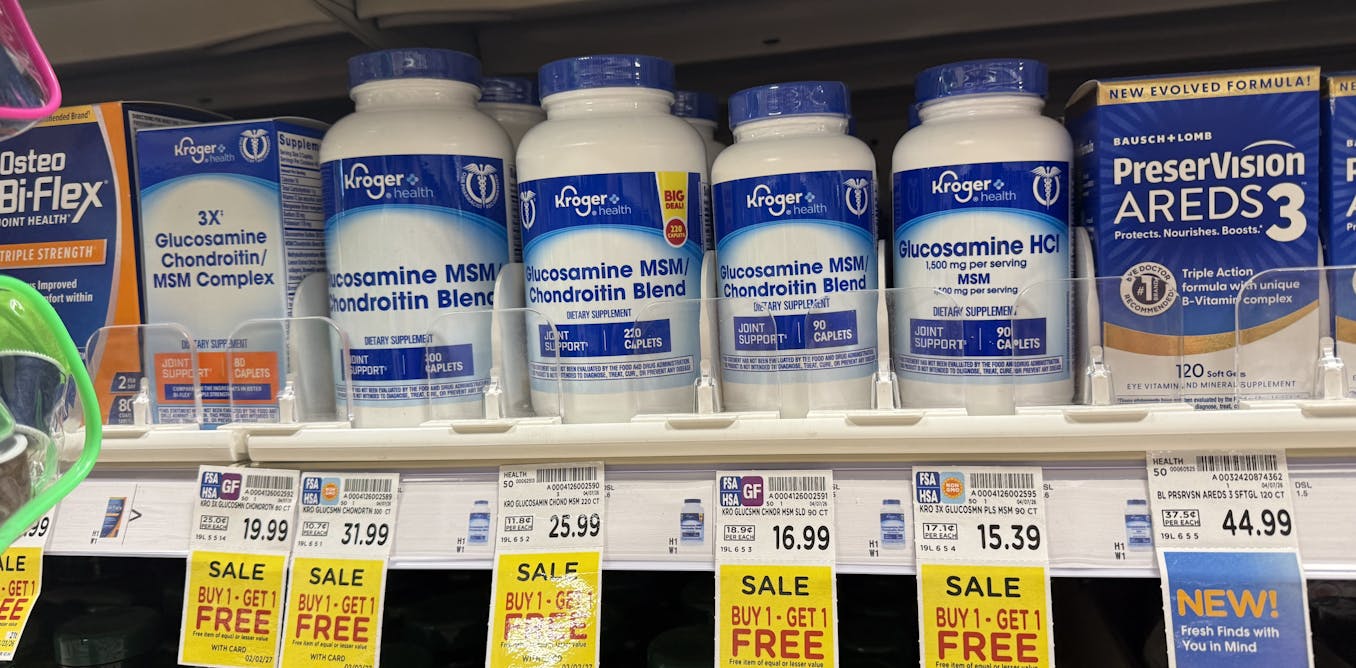
A recent study published in Nature Metabolism highlights concerning findings regarding glucosamine, a popular supplement often used for joint pain. The research indicates:
- People with Alzheimer’s disease taking glucosamine had a 25% higher likelihood of dying within five years compared to those who did not take the supplement.
- Individuals with mild cognitive impairment experienced a similar increase in the risk of progressing to full Alzheimer’s while on glucosamine.
Study Overview
The analysis drew on anonymized medical records from the University of Florida Health system, involving approximately 65,000 patients. Experimental tests on mice with Alzheimer’s symptoms revealed that glucosamine worsened memory loss, while blocking the enzyme responsible for producing sugars like glucosamine showed promise in ameliorating symptoms.
Mechanisms at Play
Glucosamine is an amino sugar involved in cellular processes, but excessive accumulation of sugar molecules on brain cells—a phenomenon termed hyperglycosylation—is linked to cognitive decline in Alzheimer’s patients. The study suggests that glucosamine could exacerbate this issue.
Reasons for Concern
- Regulatory Status: Glucosamine is classified by the FDA as a dietary supplement, allowing unrestricted access for consumers without medical consultation.
- Many older adults, estimated at 7.2 million across the U.S., might be using glucosamine not only for joint health but unknowingly risking their cognitive functions.
A Call for Caution
While previous studies have associated glucosamine with reduced dementia risk in cognitively healthy individuals, this new research raises alarms, indicating it may pose risks for those already experiencing cognitive decline.
Future Directions
Future research will aim to:
- Conduct a clinical trial with patients who have taken glucosamine, monitoring cognitive changes after discontinuation.
- Investigate compounds that could reduce harmful sugar buildup in the brains of those with Alzheimer’s.
Conclusion
The findings underscore the importance of caution when taking supplements like glucosamine, especially in populations with existing cognitive issues. Further studies are essential to clarify the relationship between glucosamine intake and cognitive decline.