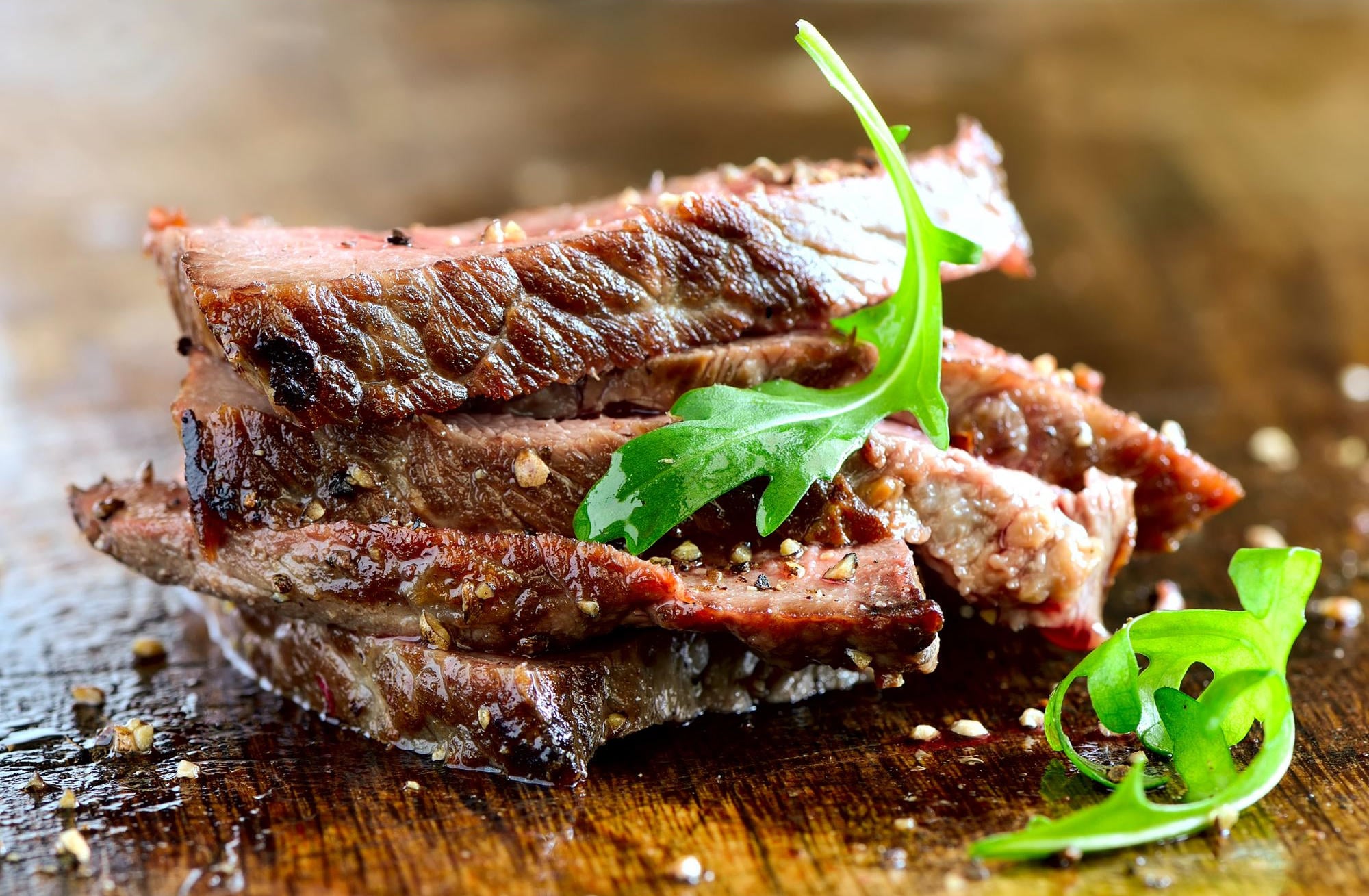
The study from Purdue University highlights that equal servings of animal-based proteins, like pork and eggs, deliver more essential amino acids (EAAs) to the bloodstream compared to plant-based proteins such as beans and almonds. This difference suggests that protein quality, rather than just quantity, plays a crucial role in muscle health and healthy aging.
Key Findings:
- Higher EAA Bioavailability: Animal proteins provide more bioavailable EAAs than plant sources in equivalent serving sizes.
- Protein Quality vs. Quantity: The research questions the equivalency of protein foods based solely on ounce-equivalent measurements used in dietary guidelines.
- Testing Conditions: In trials involving young and older adults, participants consumed standardized meals with specific amounts of four protein sources (lean pork, eggs, black beans, and almonds) to measure blood EAA levels.
Implications:
- For individuals needing reliable protein intake, especially older adults who require nutrient-dense options to support muscle and physical function, this study suggests a reconsideration of how protein sources are categorized in dietary guidelines.
- While plant-based proteins offer important nutrients, the findings advocate recognizing the distinct benefits of high-quality animal-based proteins.
Limitations:
- Portion sizes tested may not reflect typical consumption patterns.
- The study did not directly measure muscle protein synthesis outcomes.
Conclusion:
Future dietary guidance may benefit from differentiating between protein sources based on quality, emphasizing the need for a varied protein intake to enhance muscle health and overall well-being as one ages.