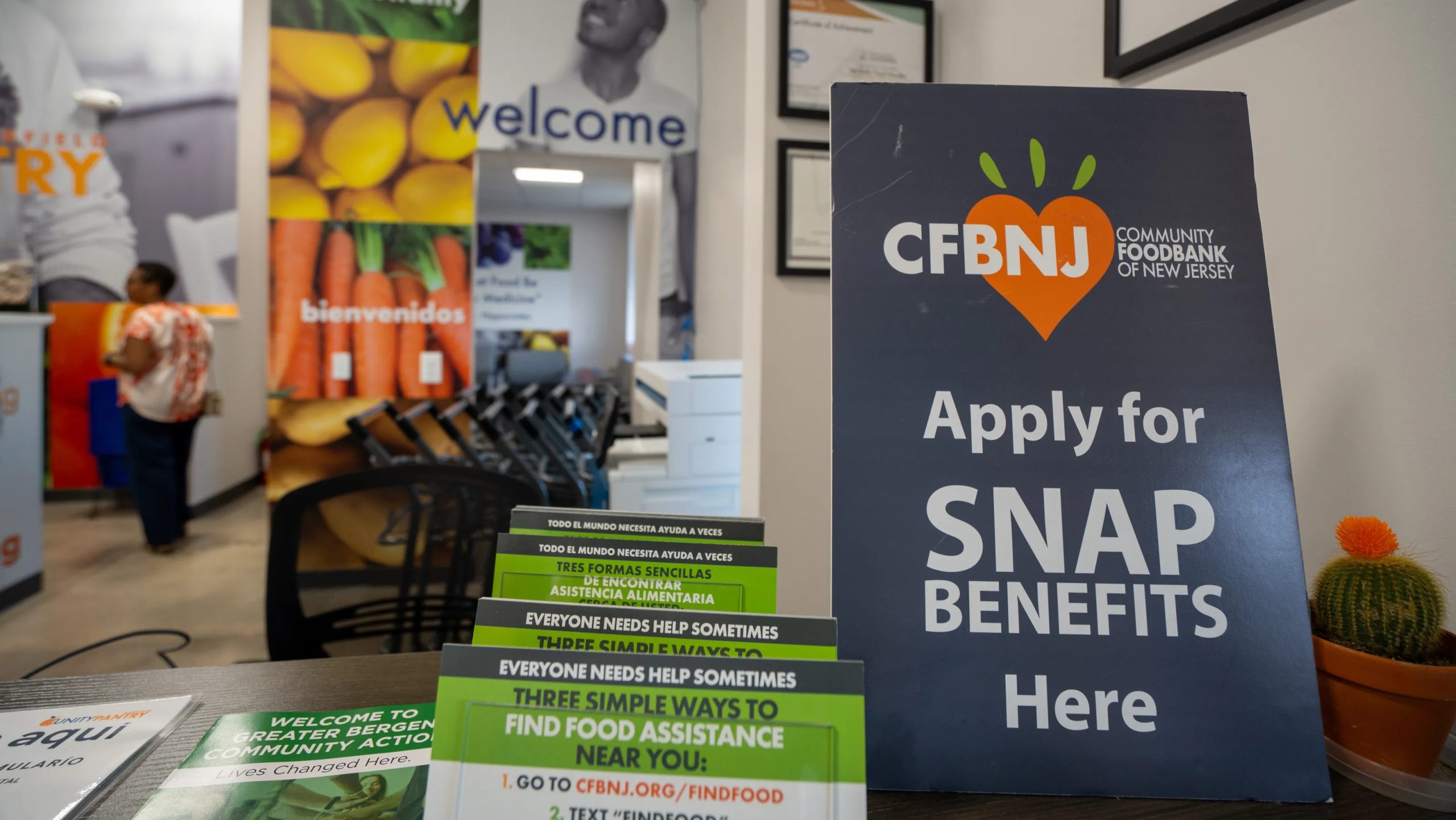
Potential Impact of Government Shutdown on SNAP Benefits
As of mid-October 2025, the ongoing government shutdown has raised concerns about the availability of Supplemental Nutrition Assistance Program (SNAP) benefits for millions of Americans. Here’s what you need to know:
Key Points:
-
Funding Shortages: The U.S. Department of Agriculture (USDA) has notified state agencies that if the shutdown persists, there may not be enough funding to issue full SNAP benefits for November. Approximately 42 million individuals could be affected.
-
Current Situation: The government shutdown began on October 1 due to a lack of agreement on federal funding for the 2026 fiscal year. Agencies have been closing down, and without a resolution, there’s no clear end in sight.
-
State Preparations: States like North Carolina, Wisconsin, and Minnesota are preparing for potential cuts and have started informing SNAP recipients about the uncertainty of benefits.
SNAP Operations During Shutdown:
-
Data Submission Pause: Normally, states send eligibility data for SNAP benefits to an Electronic Benefits Transfer (EBT) vendor monthly. The USDA has instructed states to pause this process until further notice.
-
USDA Contingency Plans: The USDA is working on a contingency plan to handle continued shutdown effects. The agency has some multi-year contingency funds available for administrative costs or to cover benefits, but it’s unclear how much is available.
-
Historical Context: During the previous government shutdown from late 2018 to early 2019, the USDA managed to pay out some SNAP benefits early. Congress also provided emergency funding in some instances.
What is SNAP?
The Supplemental Nutrition Assistance Program (SNAP), commonly known as food stamps, is designed to help low-income individuals and families afford nutritious food. In 2024, SNAP helped around 41.7 million people in the U.S., representing roughly 12.3% of the population.
Conclusion:
The potential for a shortfall in SNAP benefits due to the government shutdown presents a serious risk for many families relying on this assistance. State and federal agencies are currently assessing the impacts and preparing for various scenarios, but the uncertainty adds strain for those dependent on these critical resources.