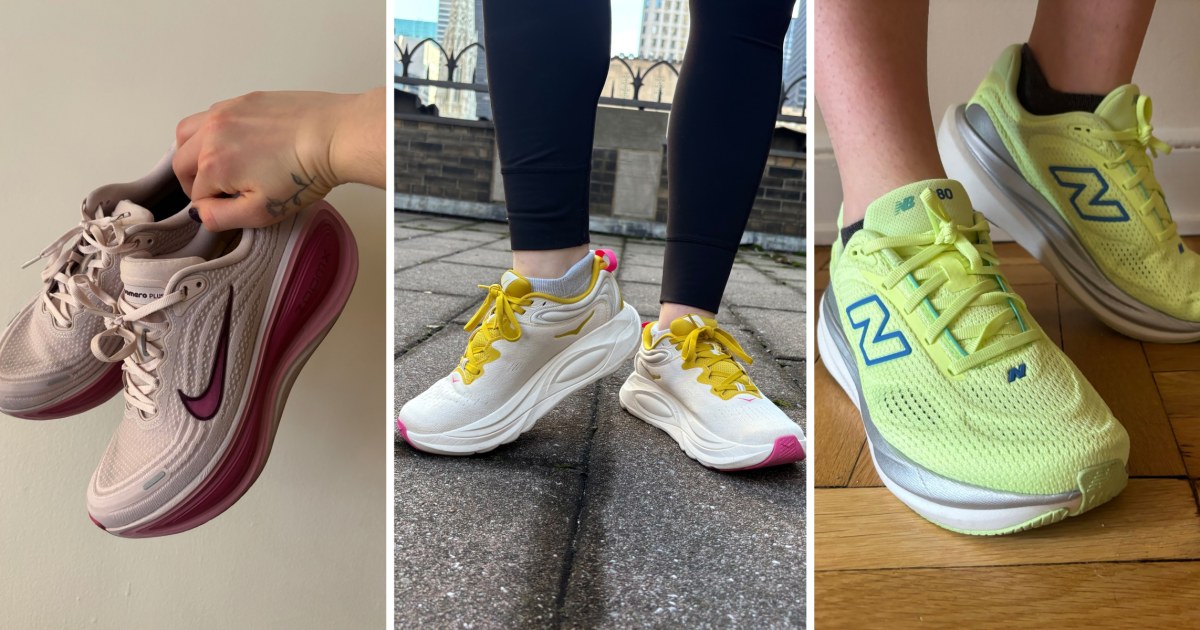
The Best Women’s Running Shoes of 2026: Expert Picks and Recommendations
When it comes to running, while there are many variables you can’t control—like weather or available treadmills—one thing you can control is your choice of running shoes. As an avid runner for over a decade, I’ve learned that the right sneakers can either enhance or hinder your running experience.
Expert Insights on Choosing Running Shoes
To help you navigate the often-confusing world of running shoe shopping, I consulted experts on the crucial aspects to consider, whether you’re a beginner or an experienced marathoner.
- Terrain: Choose road running shoes for pavement and treadmills. Opt for trail running shoes when hitting outdoor trails with uneven surfaces.
- Material: Shoes should be lightweight, breathable for warm weather, and insulated or water-resistant for colder conditions.
- Cushioning: Personal preference matters here. Some runners prefer softer cushioning, while others like a firmer feel.
- Heel Drop: This refers to the height difference between the heel and toe. A higher drop is better for heel-strikers, while a lower drop favors midfoot or forefoot strikers.
- Arch Support: Knowing your foot’s arch type can help you select shoes that provide the right support, ensuring comfort during runs.
- Width: Available options vary, so look for brands that offer narrow and wide sizes for a proper fit.
- Toe Box: Ensure there’s enough room to wiggle your toes, especially as they may swell during runs.
- Size: It’s always wise to get professionally fitted, especially if you have a history of foot issues.
- Price: Higher quality often comes with a higher price tag, which is typically reflective of the shoe’s durability.
- Return Policy: Look for brands that allow trial runs for a certain period to ensure comfort before finalizing your purchase.
Recommendations for the Best Women’s Running Shoes of 2026
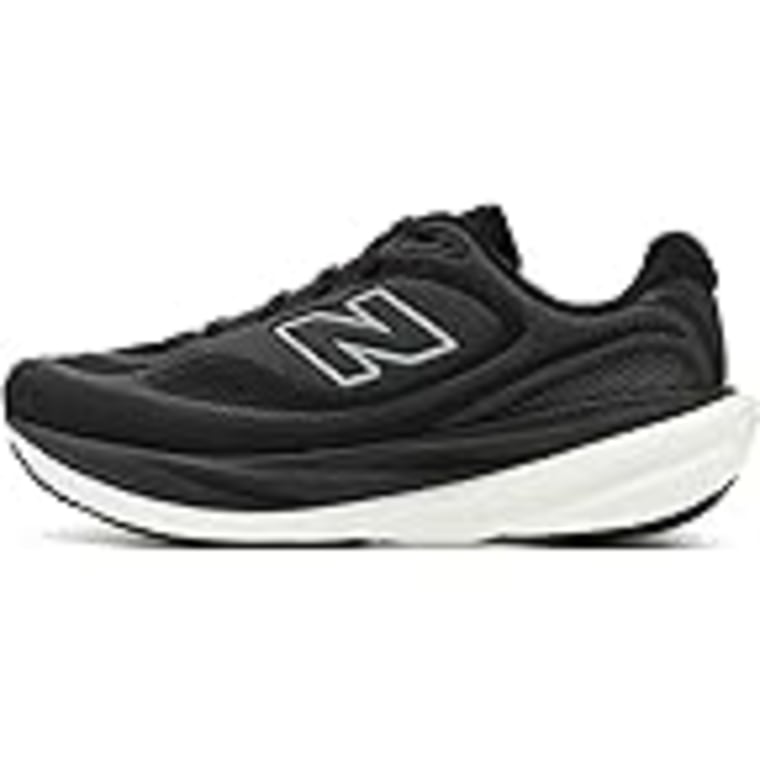
1. Best Daily Trainer: New Balance Fresh Foam X 1080v15
- Weight: 9.2 oz
- Sizes/Widths: 7-16 (narrow, medium, wide, extra wide)
- Heel Drop: 6 mm
- Pros: Ample cushioning, rockered outsole for smooth transitions.
- Cons: Not ideal for speedwork.
- Why You’ll Love It: This versatile sneaker is perfect for both jogs and long runs, offering a bouncy feel and a solid rubber outsole for grip.
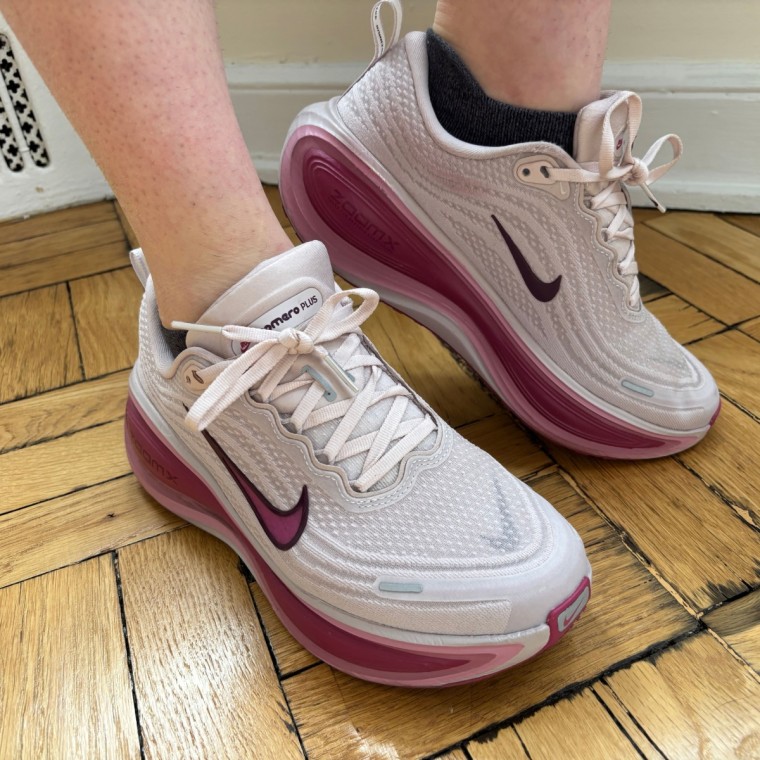
2. Best for Long Distances: Nike Vomero Plus
- Weight: 8.5 oz
- Sizes/Widths: 5-12 (standard, wide)
- Heel Drop: 10 mm
- Pros: Excellent shock absorption, reflective details for visibility.
- Cons: None noted.
- Why You’ll Love It: Perfect for long runs, with a thick foam midsole that provides exceptional cushioning.
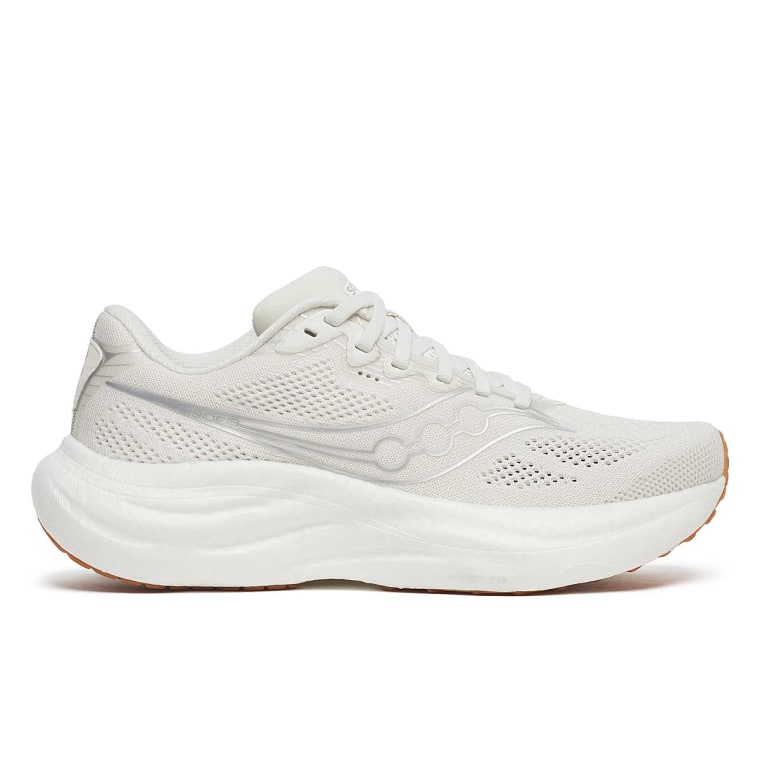
3. Best for Casual Runners: Saucony Ride 19
- Weight: 7.7 oz
- Sizes/Widths: 5-14 (standard, wide)
- Heel Drop: 8 mm
- Pros: Stretchy upper for adaptability, cushioned heel for comfort.
- Why You’ll Love It: This shoe is great for relaxed runs and provides a responsive feel, making it suitable for casual joggers.
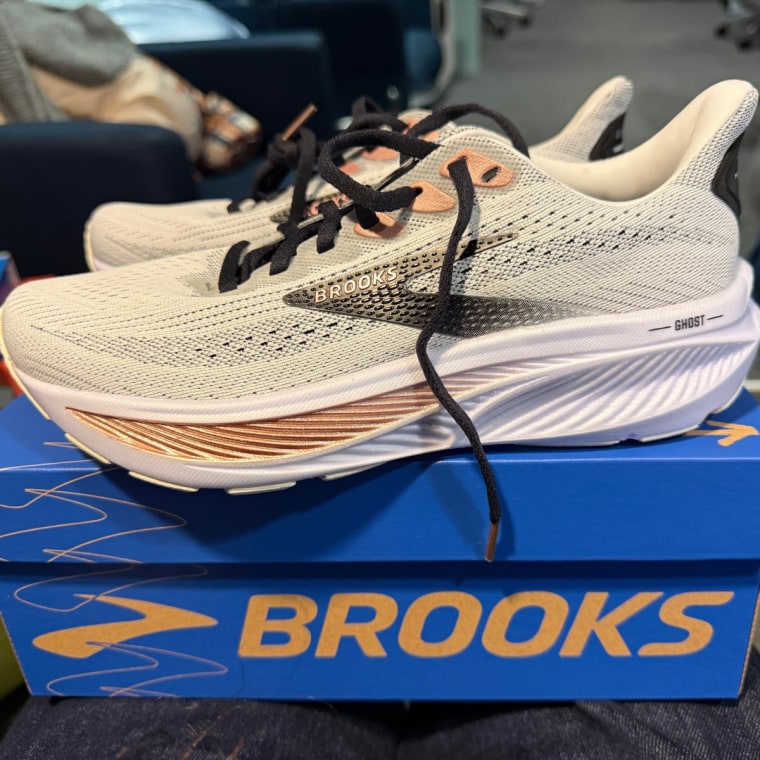
4. Best for Flat Arches: Brooks Glycerin GTS 23
- Weight: 9.8 oz
- Sizes/Widths: 5-12 (standard, wide, extra wide)
- Heel Drop: 8 mm
- Pros: Built-in support system, soft cushioning, flexible upper.
- Why You’ll Love It: This shoe provides excellent stability and support for runners needing extra help.
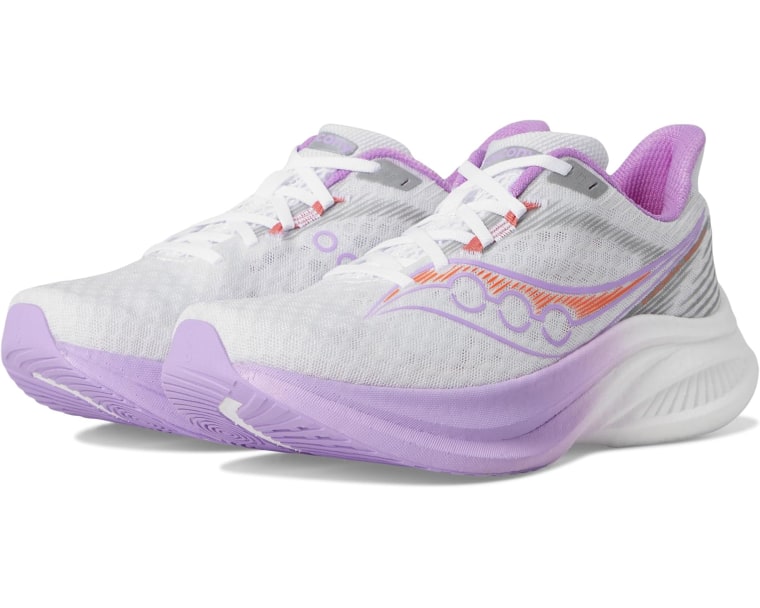
5. Best Speed Shoe: Saucony Endorphin Speed 5
- Weight: 7.2 oz
- Sizes/Widths: 5-12 (standard, wide)
- Heel Drop: 8 mm
- Pros: Great for race day, lightweight design.
- Why You’ll Love It: A favorite among runners for its supportive structure and lightweight appeal during speed workouts.
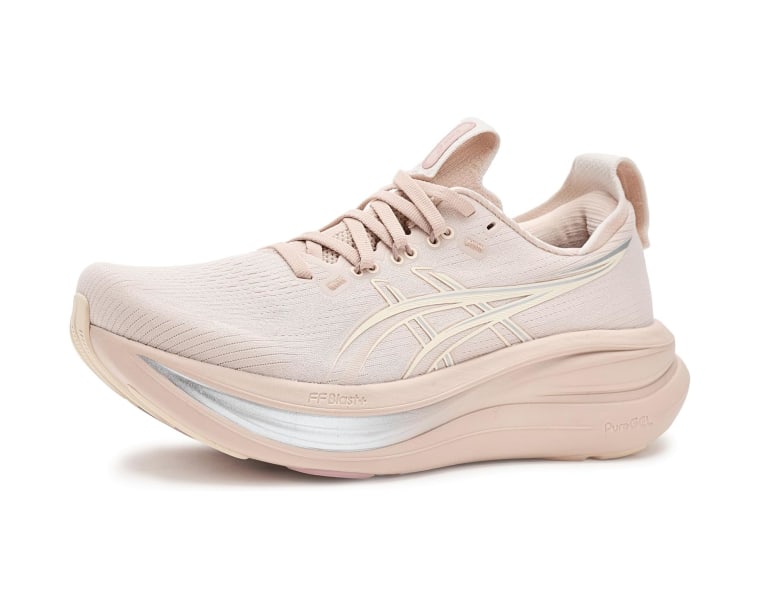
6. Best for High Arches: Asics Gel-Nimbus 28
- Weight: Not specified
- Sizes/Widths: 5-13 (standard, wide)
- Heel Drop: Not specified
- Pros: Excellent cushioning, reflective details.
- Why You’ll Love It: This shoe offers ample cushioning for runners with high arches, promoting comfort and support.
FAQs About Women’s Running Shoes
-
Are men’s and women’s running shoes different?
Yes, they cater to anatomical differences; women’s shoes tend to be narrower at the heel and wider at the forefoot. -
What’s the difference between road and trail running shoes?
Road shoes are designed for flat surfaces, while trail shoes have deeper, grippier treads for off-road conditions. -
How often should you replace your running shoes?
Generally, after 300 to 500 miles, or when signs of wear become evident.
Conclusion
Selecting the right running shoes is essential to improving your performance and comfort while running. With recommendations from experts and a focus on personal fit, you’ll be equipped to find the best pair that meets your unique needs. Happy running!