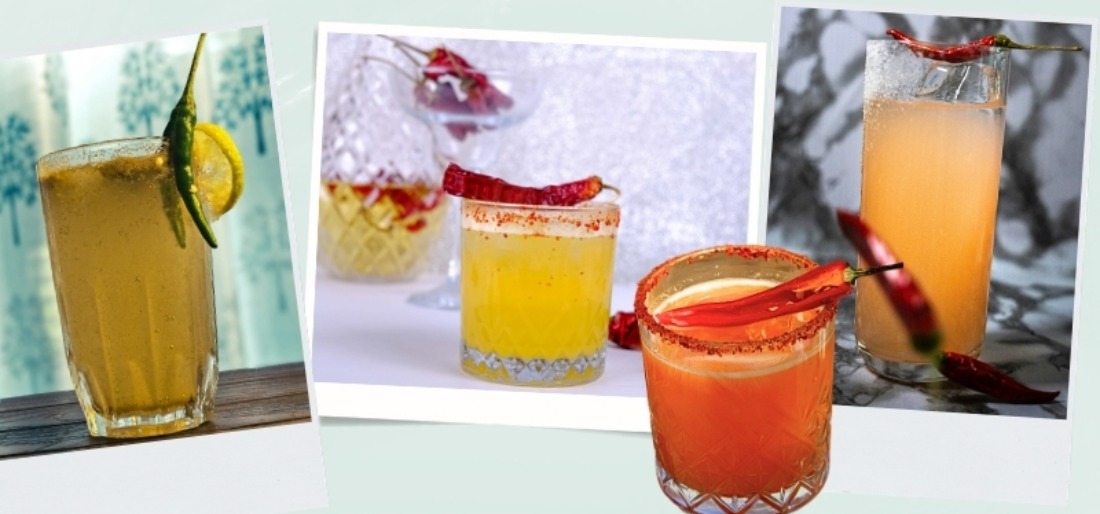
For years, the go-to choices for beating the heat included fizzy drinks, packaged fruit juices, or electrolyte beverages. However, there is a growing trend where people are turning back to refreshing drinks that have been part of Indian summers for generations.
Incorporating drinks like tangy aam panna, soothing chaas, protein-rich sattu sharbat, and revitalizing kokum juice, traditional Indian beverages are attracting health-conscious consumers eager for natural ways to stay hydrated. What once seemed old-fashioned is being rediscovered as a practical and nutritious alternative to sugary soft drinks.
A return to regional favourites
Credit: Pexels
Before the advent of hydration powders and trendy wellness drinks, Indian households had their own methods to counter the summer heat.
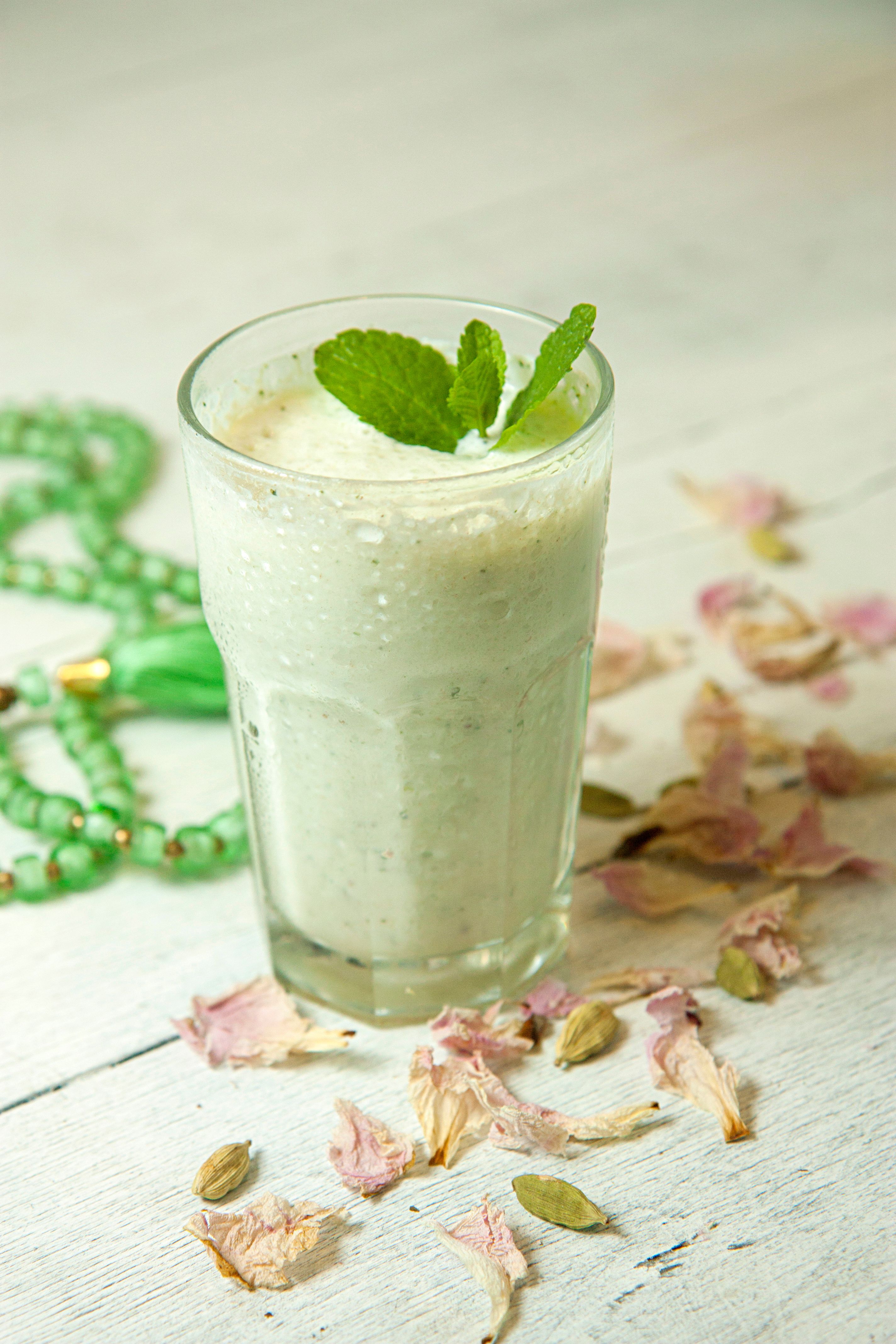
Different regions of India created beverages using locally sourced ingredients and traditional knowledge. For instance, raw mangoes were skillfully transformed into aam panna in North India, while Bihar and Jharkhand embraced sattu sharbat as a summertime essential. In Maharashtra and Goa, kokum-based drinks became favorites, and chaas persisted as a lunchtime staple in many households.
These refreshments were never positioned as wellness products; they naturally evolved as everyday remedies for hot weather, keeping people cool and rejuvenated during long summer days.
Currently, many of these traditional drinks are regaining popularity as consumers express a renewed interest in local ingredients, traditional foods, and time-honored recipes.
Why people are choosing them over soft drinks
Credit: Pexels
One of the primary catalysts behind this shift is the growing awareness of nutrition.
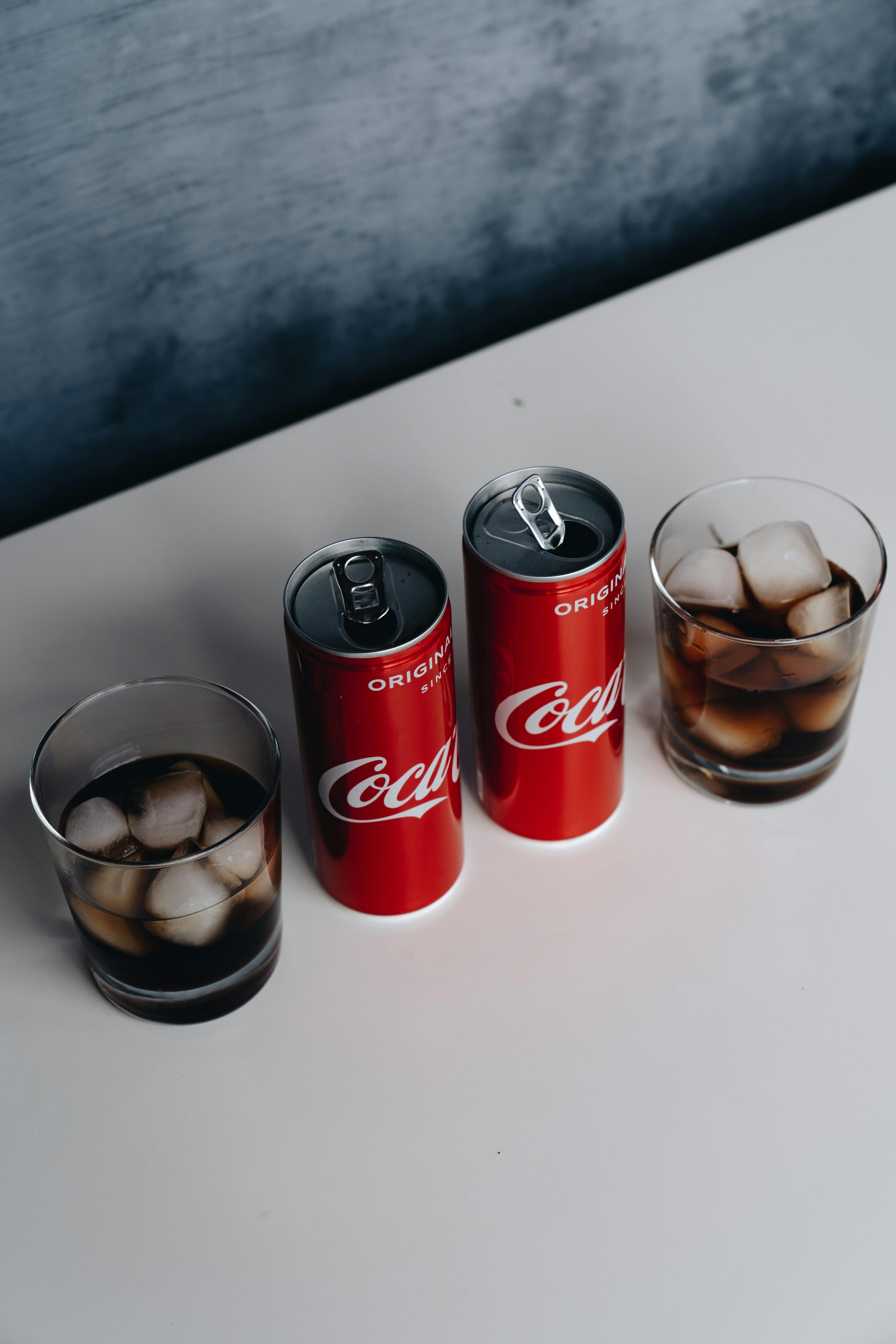
As discussions about sugar intake and the consumption of ultra-processed foods become more prevalent, many people are becoming increasingly mindful of their drink choices. The World Health Organization notes that reducing free sugar intake can help lower the risk of weight gain and certain non-communicable diseases.
Traditional Indian beverages are often perceived as more wholesome options, largely because they utilize familiar ingredients like curd, raw mangoes, roasted gram flour, mint, cumin, and jaggery.
While not every traditional beverage is low in sugar, many consumers view them as less processed than commercially available alternatives.
The rise of functional hydration
Hydration has surged as a prominent trend in recent years.
Consumers increasingly seek beverages that do more than sip away thirst; they desire drinks that aid digestion, provide sustained energy, or deliver additional nutritional benefits.
Many traditional Indian drinks align well with this trend.
Nutrition experts highlight that chaas contains probiotics beneficial for gut health, while sattu sharbat boasts natural riches in protein and fiber. Aam panna, crafted from raw mangoes, is a source of vitamin C and is traditionally consumed to replenish salts and fluids lost through perspiration in hot weather.
In essence, these beverages were offering what wellness brands now term “functional hydration” long before the concept gained popularity.
More than just a wellness trend
The revival of traditional summer drinks transcends hydration.
It also highlights a growing appreciation for regional culinary cultures and age-old practices.
Aam panna signifies the onset of mango season, kokum juice reflects the flavors of India’s western coast, and sattu sharbat preserves the culinary heritage of eastern India. These beverages narrate stories of local ingredients, family recipes, and seasonal eating habits.
In times when food and wellness trends perpetually shift, their appeal partly lies in their familiarity.
As summer temperatures rise, this season’s beloved beverages may not be the most novel items on supermarket shelves but rather the ones that Indians have cherished for generations.
Key Takeaways
- Traditional Indian drinks are making a comeback as healthier alternatives to sugary soft drinks.
- Regional specialties like aam panna, chaas, and sattu sharbat highlight the diversity of Indian beverage culture.
- Growing awareness of nutrition and the desire for less processed options drive consumer preferences.
- Many traditional drinks offer functional benefits, such as probiotics and high protein content.
- The revival is fueled by a renewed appreciation for local ingredients and cultural traditions.
FAQ
What are some popular traditional Indian summer drinks?
Popular traditional Indian summer drinks include aam panna, chaas, sattu sharbat, and kokum juice.
Why are traditional drinks considered healthier than soft drinks?
Traditional drinks generally use familiar, less processed ingredients and are often viewed as more wholesome alternatives.
Are traditional drinks high in sugar?
While not all traditional drinks are low in sugar, many consumers perceive them as less processed than commercially available options.
What is functional hydration?
Functional hydration refers to beverages that provide additional health benefits beyond just quenching thirst, such as aiding digestion or providing nutrients.
Lead image credit: Pexels
Read iDiva for the latest in Bollywood, fashion looks, beauty and lifestyle news.