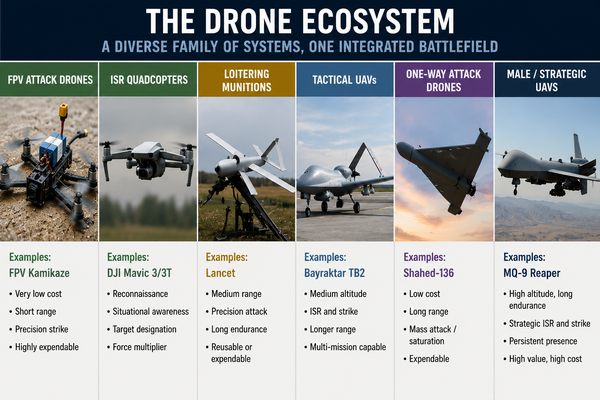
The landscape of modern military conflict is shifting, driven by the advent of drone warfare. Historically, powerful nations depended on the belief that precision could replace mass in military engagements. This assumption dictated strategies that favored high-tech platforms and elite forces. However, the rise of drones is challenging this paradigm, heralding a transformative phase in the way wars are fought.
The significance of drones extends far beyond just adding new aerial capabilities. While remotely piloted systems have existed for decades, what sets the current era apart is the convergence of affordable precision technology, advanced manufacturing processes, and small-scale electronics. This convergence is creating a novel military ecosystem rather than merely introducing another type of weaponry.
The Rise of the Drone Ecosystem
Initially, unmanned aerial vehicles (UAVs) had limited military roles. Drones like the U.S. Predator and Reaper were costly, specialized tools employed by dominant military forces operating under conditions of overwhelming air superiority. Attrition was largely irrelevant as these systems typically faced insurgent groups with minimal defenses.
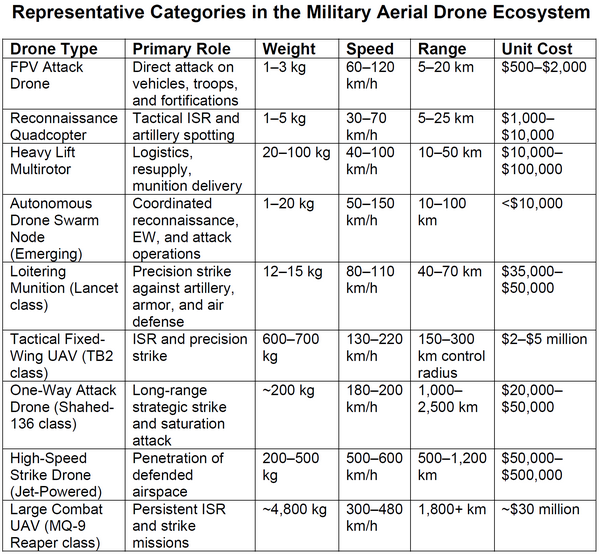
Today’s drone warfare resembles an evolving ecosystem filled with a vast array of semi-disposable drones, each tailored for specific functions. Some drones specialize in reconnaissance, others enhance communications, and some are equipped to strike with explosive payloads. Additionally, many are designed to either be used for single missions or to operate multiple times under anticipated attrition scenarios.
The affordability of modern drones enables sustained surveillance on the battlefield, a feat that was once achievable only through expensive aircraft and extensive logistical support. Now, smaller units can achieve near-continuous oversight using systems that are much less costly than traditional Intelligence, Surveillance, and Reconnaissance (ISR) platforms.
The Elements of Affordable Precision
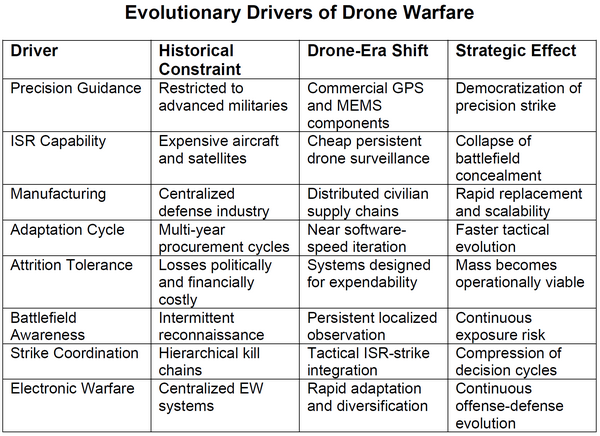
The drone revolution did not originate from a singular breakthrough; rather, it has emerged from the integration of various civilian technologies that collectively lower the cost of precision warfare.
- Battery miniaturization: Significant advancements from consumer electronics and electric vehicle sectors have enabled lightweight lithium batteries that allow small drones to operate for meaningful durations while carrying cameras or explosive loads. Investments in battery technology are enhancing range and payload capabilities.
- Advancements in digital imaging: Cost reductions in digital imaging, propelled by cellphone innovations, now allow even the smallest drones to incorporate affordable video capabilities.
- Democratization of satellite navigation: Technologies that once required specialized military equipment have become accessible through miniature navigation modules sourced from commercial electronics, offering low-cost precision guidance.
- Enhanced targeting through fiber optics and AI: The integration of advanced targeting capabilities has increased the effectiveness of mass-produced drones, rendering them resistant to jamming.
The operational impact of these advancements is a significant reduction in the traditional kill chain. Functions such as detection, targeting, and strikes are increasingly carried out within integrated drone networks at the tactical level.
The Economics of Attrition
The phrase “Quantity has a quality all its own,” often attributed to Stalin, encapsulates a key dynamic in contemporary drone warfare. The emerging battlefield increasingly favors those who can maintain a quantitative edge and adapt quickly rather than merely deploying expensive, cutting-edge systems.
This evolution highlights the growing imbalance between the costs of offense and defense. A large swarm of inexpensive drones can compel defenders to spend significantly more on interception systems, radar, electronic warfare assets, and protective infrastructures. Even when defenses manage to neutralize some drones, the financial burden on defenders may still tilt in favor of the attackers who utilize cheap, expendable systems.
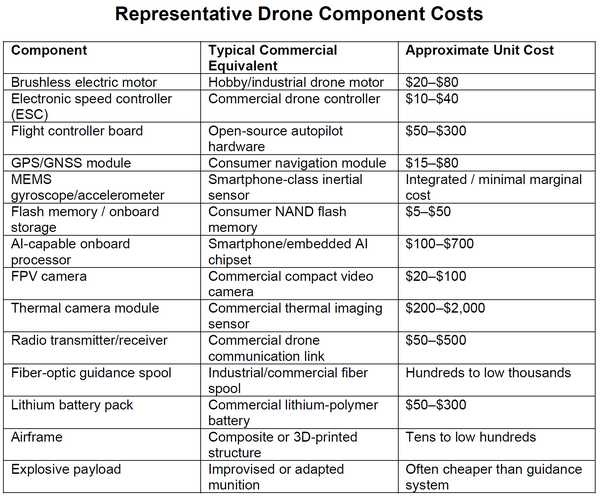
Historically, high barriers have limited entry into precision-guided warfare. Advanced weapon systems typically necessitated sophisticated aerospace industries and lengthy procurement cycles. The current drone ecosystem, however, leverages global civilian supply chains, facilitating rapid adaptation and mass production of the necessary components.
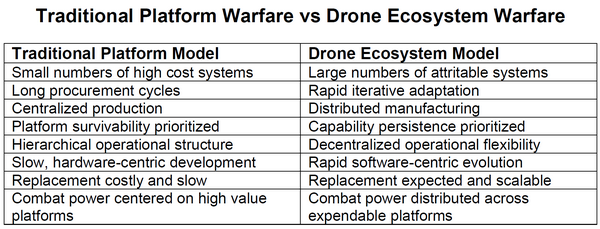
This shift alters not just the economic structure of warfare but also its pace of adaptation. Drone technologies evolve similarly to software, continuously modified to counter battlefield experiences and electronic threats. Thus, the emphasis on rapid iteration and replacement may eclipse the importance of durability and platform sophistication. The changing economics of warfare suggest a move away from preserving expensive assets toward nurturing resilient and adaptable production systems.
The Erosion of Concealment on the Battlefield
With persistent drone reconnaissance, one of the most enduring principles of warfare—that of secret movements—begins to wane. Small drones can monitor troops, logistical routes, and critical infrastructure effectively. Forces exposed during daylight become vulnerable to aerial detection, while night-vision drones increasingly threaten safe nocturnal maneuvers.
This shift imposes significant penalties on troop concentration. Large formations and logistical hubs become prime targets for quick strike operations. Consequently, maintaining dispersed formations is becoming essential for survival. Tactics observed in the Ukraine conflict now often involve small groups of two or three soldiers to mitigate detection risks. Drone swarms and saturation attacks further complicate defensive strategies by exhausting ammunition and revealing defensive positions.
The Flawed Illusion of Counter-Drone Measures
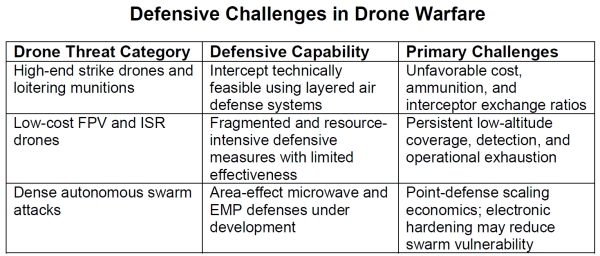
Proponents of counter-drone systems often argue that advancements in defensive technology, from lasers to automated targeting, can neutralize drone threats. Though some progress may be made, a fundamental issue persists: the imbalance between extensive defensive coverage and concentrated offensive strikes.
Defenders face the challenge of safeguarding numerous fixed locations across a wide area continuously. In contrast, attackers can choose when and where to concentrate their forces, allowing them to exploit defense weaknesses effectively. This discrepancy remains crucial, even in a world of drone-to-drone engagements.
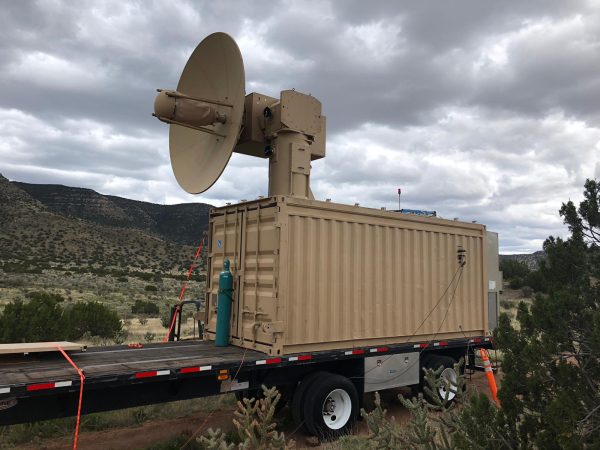
U.S. THOR microwave anti-drone system prototype
Like all military transformations, adaptations in drone ecosystems will provoke countermeasures, leading to a cycle of innovation. The true importance of this drone era lies in reshaping the economics and speed of military adaptation, rather than eliminating this reciprocal transformation.
Distributed Deterrence
One profound consequence of drone warfare is the spread of precision strike capabilities to smaller, less affluent military actors. A modestly equipped state can leverage reconnaissance drones, loitering munitions, and rapid production networks to impose considerable costs on invading forces, despite lacking traditional military parity. Even non-state groups, like Hezbollah, are beginning to exploit drone technology.
This evolving strategic environment may increasingly favor denial strategies rather than relying solely on numerical or alliance-based security. Such deterrence structures reflect a “porcupine” defensive model, where the weaker party does not need to defeat the stronger outright but must instead make aggression costly, complex, and politically challenging over time.
Identifying the Winners and Losers
Nations that can scale manufacturing, iterate quickly, and collaborate on production will likely reap significant advantages; conversely, militaries focused predominantly on high-cost, low-volume platforms may face increased strategic vulnerability. Set pieces like aircraft carriers and large airbases could become appealing targets for drone strikes. The most effective military strategies in this new era may combine advanced capabilities with scalable defenses, quick response times, and decentralized operations.
The long-term implications of drone warfare may hinge not merely on possessing the drones but on how effectively military organizations can assimilate these ecosystems into their doctrines, command systems, and logistics. History showcases that merely having advanced technology doesn’t ensure success; during the lead-up to World War II, Britain and France possessed substantial numbers of armored vehicles. Yet, it was Germany’s integration of these forces into a cohesive operational strategy that led to their successes on the battlefield.
In a similar manner, drone warfare may mark a pivotal change. While many countries will acquire drones, fewer will successfully incorporate them into a unified operational framework. The advantage may fall to those most adept at synergizing drone ecosystems within their military operations.
The challenge for the United States lies in its defense structure, which is still largely tailored for a different warfare model. For many years, American military strength has hinged on advanced platforms produced in limited quantities. Over time, procurement processes have become entrenched in lengthy cycles, specialized contractors, and high operational costs, creating barriers to swift adaptation.
As the landscape shifts toward drone warfare, rapid iteration and flexibility may emerge as vital attributes. Militaries focused on preserving sophisticated models may find themselves ill-equipped for the fast-paced environments shaped by attritable systems, which evolve at near-software speeds. The critical risk lies not in technological deficiency, but in stagnation within organizations. As affordable precision proliferates, military advantage may lie increasingly with those fostering adaptability alongside mass production, rather than perfection.
Conclusion
The prolonged phase where military power was primarily defined by industrial and technological dominance may be transitioning to an era that favors distributed reconnaissance, strike capabilities, and production. The previous monopoly on precision warfare is weakening as these tools become accessible to a broader array of actors, particularly smaller nations.
While drone warfare will not erase the advantages of larger military powers, it will reshape the economics of coercion, allowing even less affluent states to establish intricate networks for surveillance and striking. This evolution will render concentrated military formations more vulnerable and making occupations more demanding.
In the future, the most effective military forces are likely to be those that can effectively produce, integrate, and leverage adaptive drone ecosystems across their operations. As drone warfare becomes more pervasive, the advantage may shift to military structures optimized for resilience, adaptability, and swift responses rather than merely technical sophistication. Much like a porcupine confronting a significantly larger predator, a drone-equipped nation might not need to completely overpower a more robust adversary; it merely needs to make aggression costly and politically untenable over time. Ultimately, the strategic importance of the drone age may be less about empowering the weak militarily and more about complicating efforts to dominate them.


