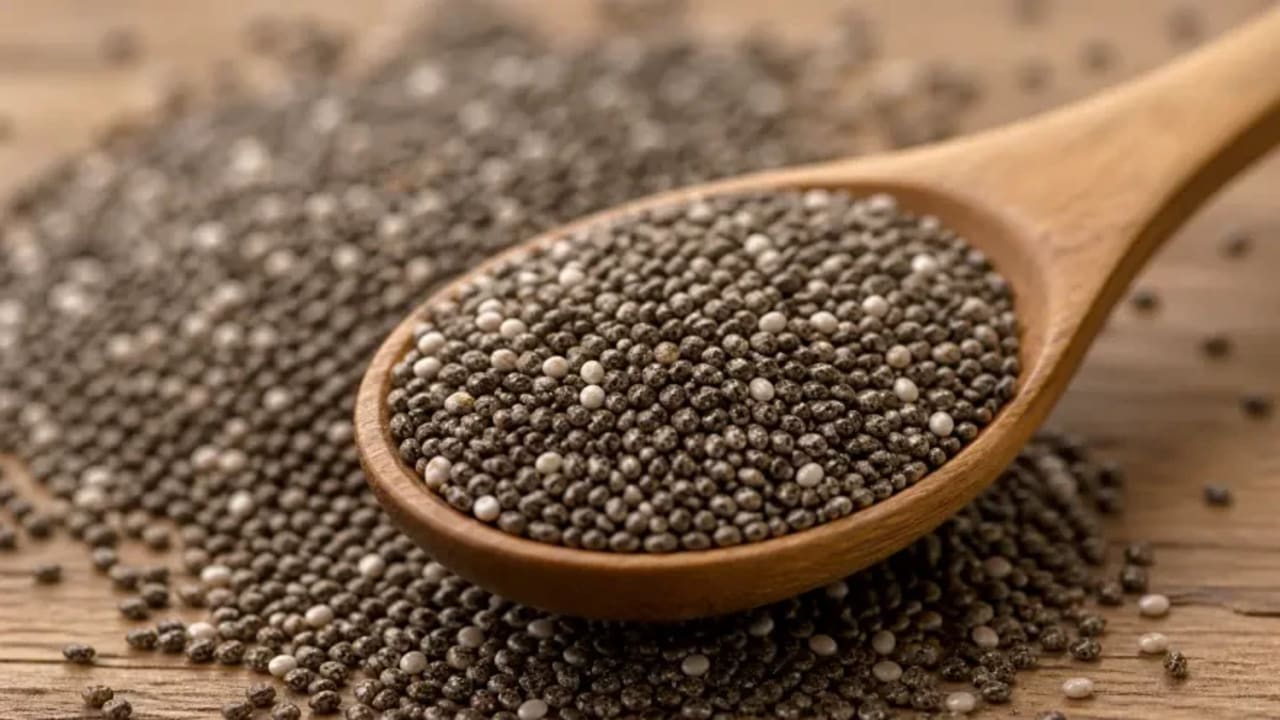
Chia seeds, despite their modest size and mild flavor, have garnered significant attention in the nutritional world over the last few years. It’s now common to spot a jar of chia in health-conscious kitchens, where they find their way into smoothies, puddings, and salads. However, amidst this popularity, one might wonder: are chia seeds genuinely beneficial for health? And what is the optimal daily serving size? The answers often lie in the intricate details of nutrition.
What’s Inside Chia: Chia seeds are packed with essential nutrients, making them surprisingly enriching given their size. They boast a unique mix of dietary fiber, healthy fats, proteins, minerals, and antioxidants.
Just one tablespoon of chia seeds can fulfill approximately 20% of your daily dietary fiber needs—an impressive amount for such a small serving. Additionally, they are abundant in ALA-type omega-3 fatty acids, which play a vital role in promoting heart health, reducing inflammation, and supporting brain function.
Another noteworthy aspect is their mineral content. Chia seeds are excellent sources of calcium, magnesium, and potassium, all of which are essential for bone, muscle, and nerve health. When it comes to protein, chia serves as a high-quality plant-based protein source, presenting a complete array of amino acids, making it especially appealing for vegetarians and vegans.
Potential Disease Prevention: The interest surrounding chia seeds extends beyond theoretical benefits; recent research supports their health claims. Studies published in journals like “Nutrients” indicate that chia consumption can help regulate blood sugar levels, primarily due to its high fiber content, which slows down glucose absorption after meals.
Further research suggests that integrating chia into one’s diet may enhance metabolic markers in individuals with type 2 diabetes, including reductions in fasting blood sugar levels and increased insulin sensitivity. Regarding blood pressure, a small study featured in the “Journal of Human Hypertension” demonstrated that consuming about 35 grams of chia per day for several weeks resulted in a noticeable decrease in blood pressure, even among those already taking medication.
Moreover, chia seeds have been linked to improvements in blood lipid profiles. They may lower total cholesterol and sometimes even reduce LDL (“bad cholesterol”), thanks to their blend of fiber and unsaturated fats.

Recommended Intake of Chia: The general guideline is to consume 1–2 teaspoons daily. This quantity allows individuals to reap health benefits without exceeding their fiber or calorie limits. Whole or ground—what’s the best option?
Chia seeds have the ability to absorb liquids, forming a distinctive gel-like texture, which is one of their advantages. Research suggests that lightly grinding chia seeds can enhance the bioavailability of some nutrients, similar to flaxseeds. However, even whole chia seeds are considered effective and nutritious, leaving the choice largely up to personal preference and convenience.
Effects on Satiety: The secret to chia seeds’ appeal lies not only in their nutritional profile but also in their ability to create a sense of fullness. When they come into contact with liquid, they expand significantly, taking up space in the stomach. Coupled with their high fiber content, this leads to prolonged satiety. This quality makes chia seeds a useful tool for weight management, primarily by reducing hunger and cravings rather than through fat burning.
How to Incorporate Chia Seeds into Your Diet:
Chia Pudding: Mix 2 tablespoons with milk (dairy or plant-based) and let sit overnight.
In Smoothies: Add a teaspoon to a smoothie to boost fiber content and promote fullness.
Baking: Use as an egg substitute (1 tablespoon of chia with 3 tablespoons of water).
In Salads: Sprinkle on salads for added texture.
In Soups and Sauces: Use for gentle thickening.
Storage Tips: Chia seeds have a long shelf life—up to several years—when stored properly. The best practice is to keep them in a sealed jar in a cool, dark place. For maximum freshness, particularly if they are ground, consider storing them in the refrigerator.
The Conclusion: Chia seeds are a fantastic addition to any diet. They are rich in fiber, minerals, and healthy fats while contributing to feelings of fullness and metabolic balance. A daily intake of a teaspoon or two is sufficient as part of a well-rounded diet.
For Dr. Maya Rosman’s course on improving health and sensible weight loss, click here


