As tensions continue to escalate between the US and Iran, a complex maritime confrontation unfolds in the Persian Gulf, centered on the transit of oil tankers. While direct military action remains absent, an ongoing struggle over shipping routes illustrates the fragile state of affairs. The situation, marked by intermittent skirmishes and strategic maneuvering, may soon escalate into more aggressive posturing.
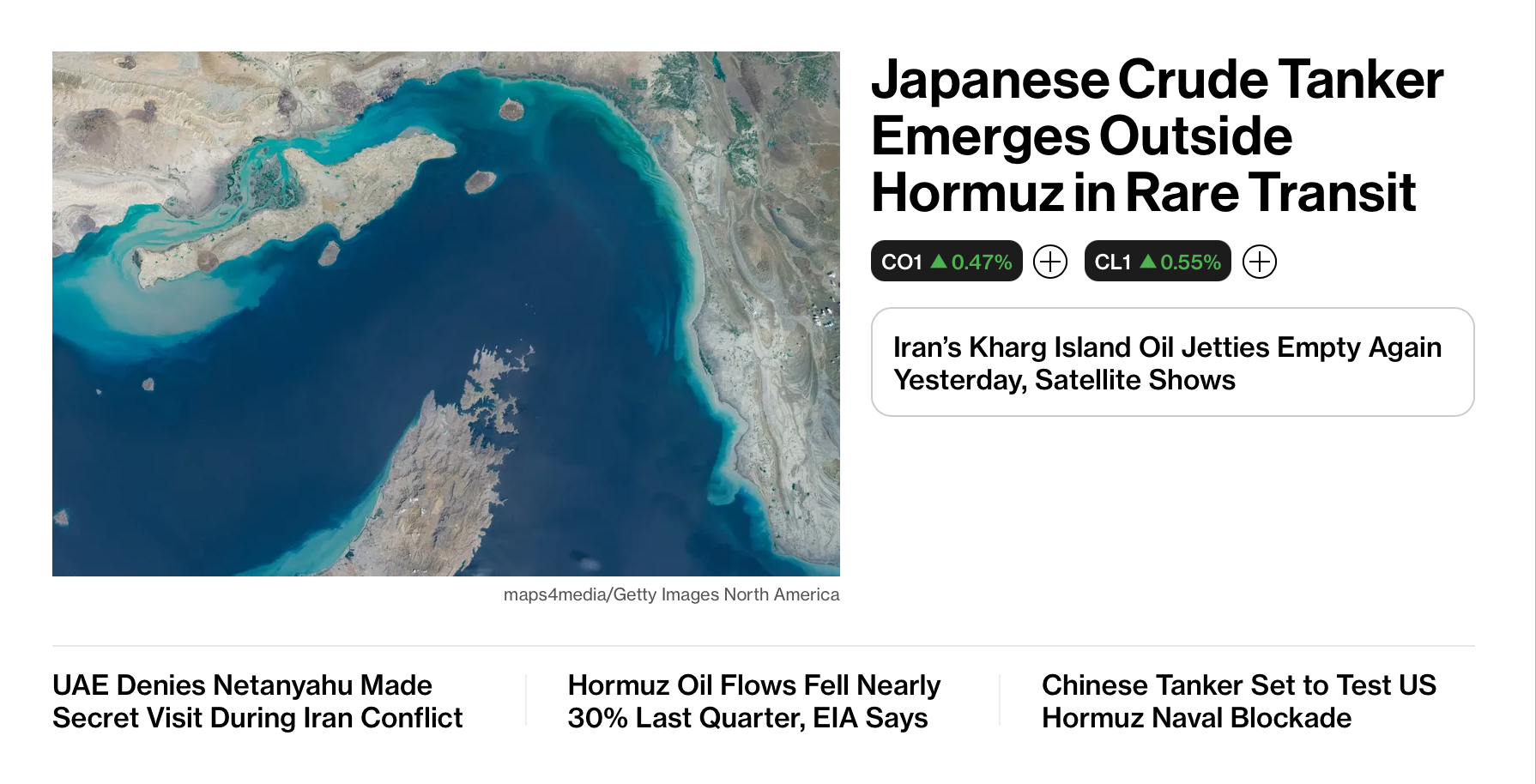
Many tankers previously stranded in the Gulf are now attempting to navigate through the US-imposed blockade. Notably, this image from Bloomberg’s homepage highlights developments in the broader geopolitical landscape, primarily focusing on the Trump-Xi meeting:

An important point worth reiterating is the media’s narrow focus on the Strait of Hormuz, which oversimplifies the risks involved. Vessels originating from Iranian ports or those that have been cleared by Iran are still facing US interference. While only a handful have been boarded, many more have turned back, likely reacting to US Navy challenges.
The recent transit by a Japanese tanker is particularly noteworthy. Japanese officials had established a dialogue with Iran early in the conflict, and in March secured an agreement allowing Japanese ships passage through the Strait of Hormuz (for reference, see this Al Jazeera article).
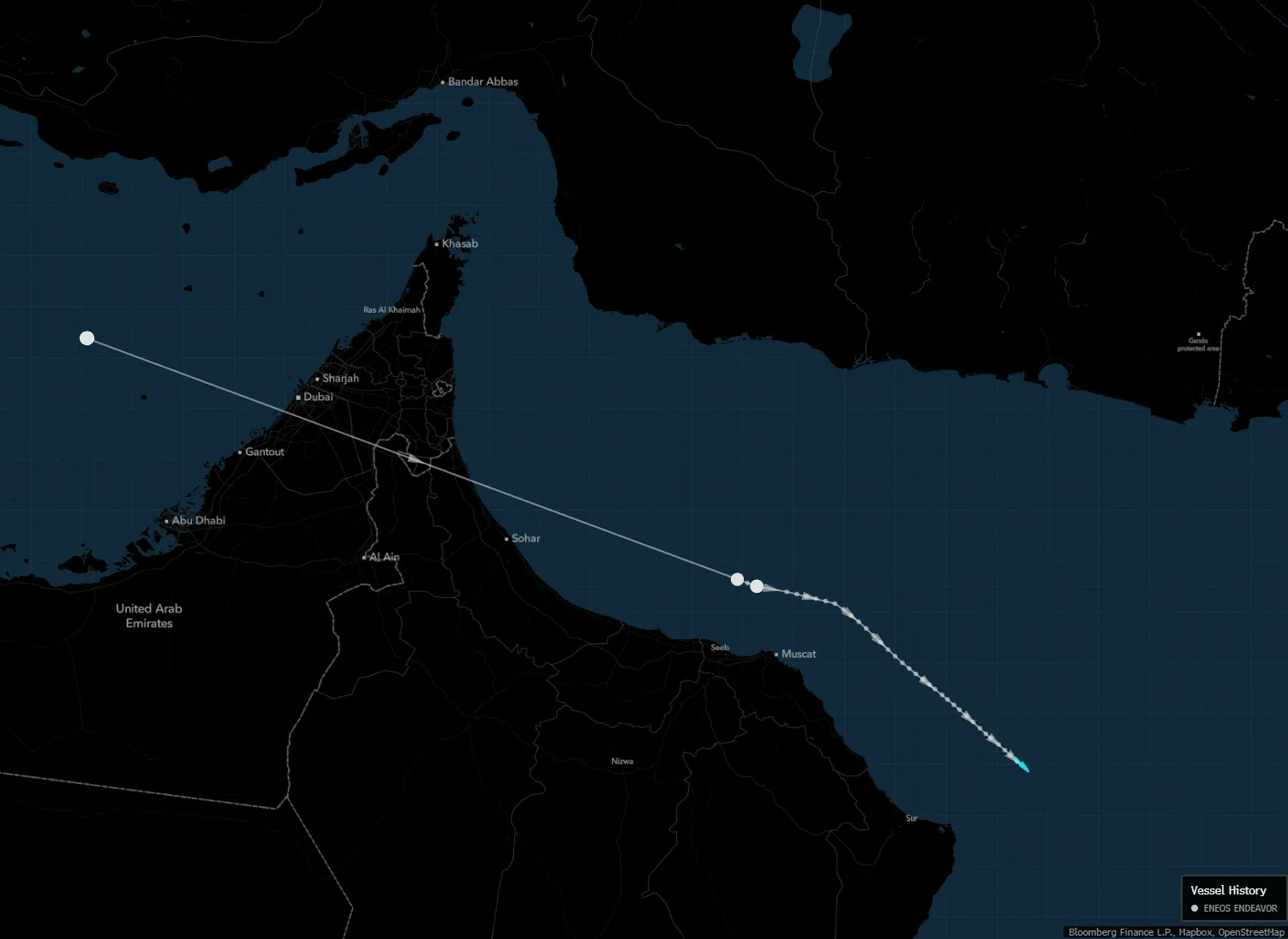
However, the vessel in question opted for a route along Oman’s coast instead of the designated Iranian path, reflecting a desire to avoid any US scrutiny that could lead to harassment in the blockade area.
This situation corroborates my thesis: even a slightly ineffective US blockade significantly influences the actions of shipowners and operators.
Reporting from Bloomberg indicates:
- A Japanese supertanker, the Eneos Endeavor, has surfaced in the Gulf of Oman after last signaling from within the Persian Gulf, signaling a rare covert passage through the Strait of Hormuz.
- The tanker’s location reports reveal a gap, indicating it may have traversed Hormuz without sending out signals, and its draft measurements suggest it is nearly fully loaded with cargo.
- Eneos President Tomohide Miyata confirmed the tanker successfully navigated through Hormuz and anticipates its arrival in Japan between late May and early June.
The Eneos Endeavor, a very large crude carrier, began sending its location north of Muscat, Oman, on Wednesday, heading east toward the Arabian Sea. Ship-tracking data marks a gap in its signals, implying it passed through Hormuz unnoticed.
Furthermore, another Bloomberg report noted that two Indian ships carrying cooking fuel have successfully exited the Strait of Hormuz. One of these vessels, which followed the Iran-approved route, originated from the UAE. This development has sparked tension amid accusations of the UAE’s collaboration with Israel against Iran, a dynamic that many agree is already well-established.
So why did Iran permit a UAE vessel passage through its controlled waters? Iran has consented to allow cargoes headed for India to transit, partly in recognition of the critical need for cooking oil in the Indian market, which might not be a high-value shipment. The UAE may have intended to gauge whether Iran would jeopardize Indian public welfare, illustrating how tensions can escalate quickly.
From Bloomberg’s findings:
- Two India-bound vessels carrying cooking fuel from the Persian Gulf have apparently transited the Strait of Hormuz, despite ongoing restrictions imposed by both the US and Iran.
- This increase in large vessels transporting oil, fuel, and gas through Hormuz since Sunday now totals nine.
- A rising number of Persian Gulf exporters are successfully navigating their cargoes out, with the Abu Dhabi National Oil Company among those shipping fuel via routes without transmitting their locations.
One of the liquefied petroleum gas carriers, the Symi, appeared in the Gulf of Oman on Thursday after turning off its transponder. The other, NV Sunshine, ceased broadcasting immediately after successfully passing through the Strait.
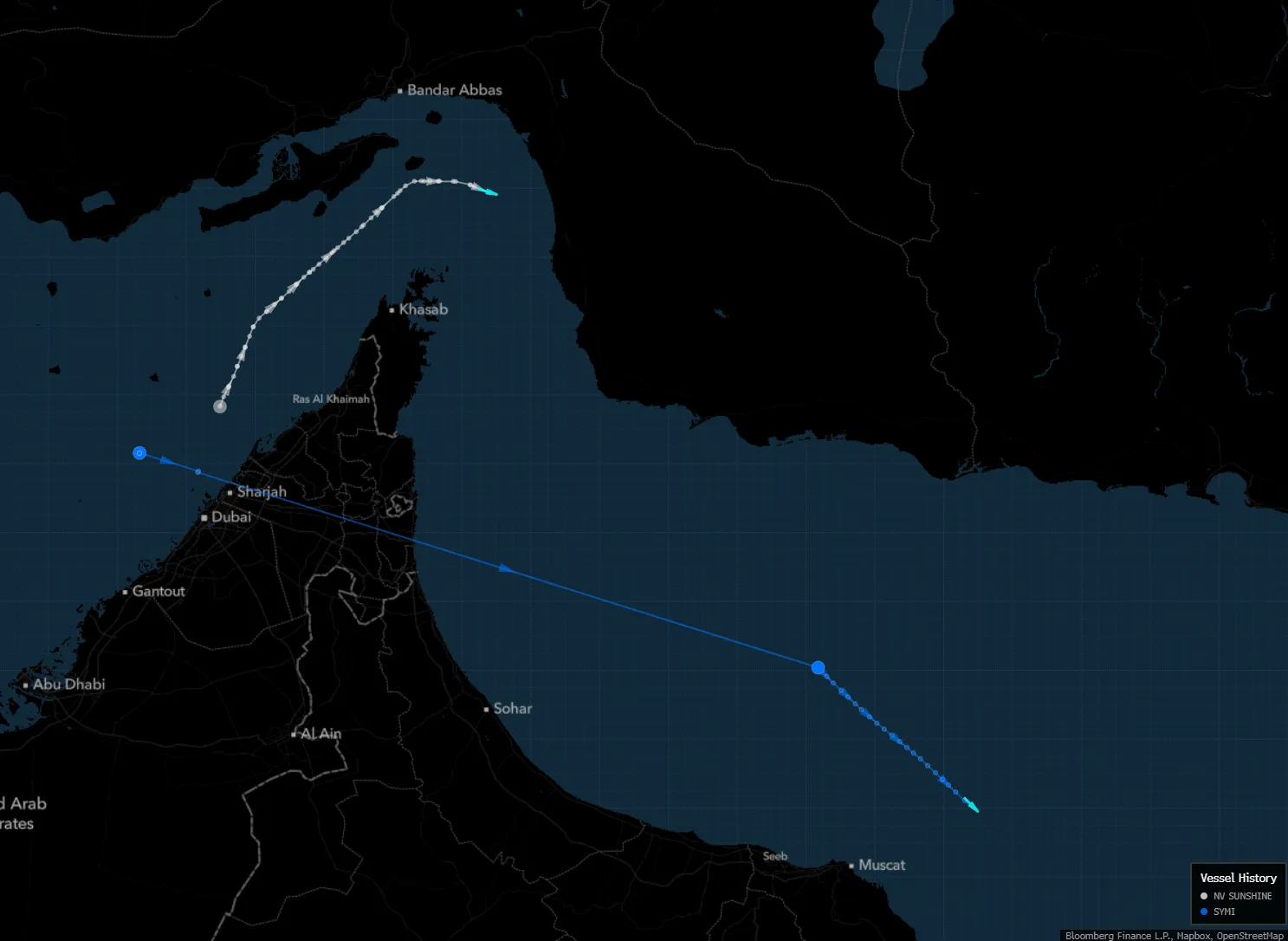
The implications here suggest that Iran might not exercise complete control over the Strait of Hormuz as it claims. However, it has demonstrated an ability to adapt and navigate the wartime dynamics effectively, while the area east of the Strait remains Omani waters, complicating Iran’s position should it wish to interfere with ships outside its jurisdiction.
While Iran has allowed Chinese oil tankers access through the Strait amid ongoing hostilities, evidence reveals at least seven vessels linked to China, such as the Yuan Hua Hu, transporting crude oil and navigating IRGC-sanctioned routes after becoming stranded since March.
On a more assertive note, Iran has shown that it can exercise the power over vessels within its sphere. The UK Navy reported a vessel seized off UAE waters that was on its way to Iran, a further illustration of the ongoing maritime tensions.
The UK’s navy indicated on Thursday that a ship taken by “unauthorized personnel” was seized near the UAE coast and was heading towards Iranian waters. It was reportedly anchored 38 nautical miles northeast of Fujairah when the incident occurred, with further investigation ongoing.
Continuing challenges remain, particularly regarding the US naval blockade of Hormuz. Recent reports suggest uncertainties regarding a Chinese tanker’s fate as it attempts to pass through this contentious region.
As discussions surrounding the future of the Strait of Hormuz unfold, experts like Sal Mercogliano and political analysts express a range of viewpoints on the situation’s trajectory. For example, John Mearsheimer’s recent conversation with Daniel Davis offers significant insights into the complexities at play.
Mearsheimer dismissed the likelihood of a negotiated settlement in the near future, citing various complicated issues that must be resolved, including control over the Strait and Iran’s relations with groups like Hezbollah and Hamas.
According to Mearsheimer, “There are many different issues to negotiate beyond nuclear enrichment, such as who controls the Strait of Hormuz and Iran’s relationships with other regional actors. Furthermore, there’s a severe lack of trust on the Iranian side, complicating any potential agreement. The Trump administration has also proven poorly equipped to resolve these negotiations.”
Despite various concerns regarding US interventions, Mearsheimer suggests that economic pressures could drive negotiations later if continued hostilities lead to unbearable costs for the US and the global economy.
In summary, while the situation in the Strait of Hormuz remains tense, the geopolitical dynamics may shift dramatically based on economic realities and the actions of key regional and international players.
Current developments present a complex picture: the US’s military capabilities in the region continue to be scrutinized amidst reports on Iran’s missile capabilities, which have been demonstrated to remain largely intact despite ongoing US efforts to neutralize them.
Recent reports from the New York Times emphasize that 30 out of 33 Iranian missile sites along the Strait are still operational, posing a significant challenge for US military efforts.
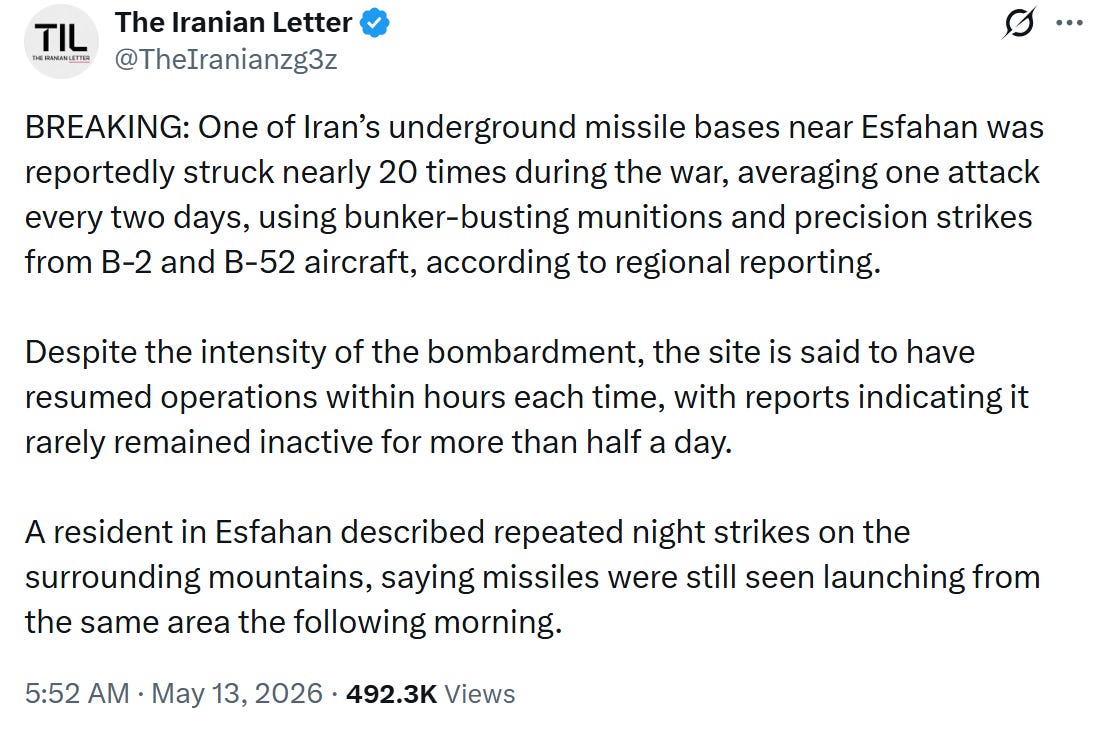
The findings suggest that Iran’s military capabilities, particularly in terms of missile storage and launch capabilities, remain largely intact, further complicating the US’s strategic position in the region.
As discussions around the economic effects of the ongoing conflict continue, warnings about food shortages and energy supply challenges emerge. There is concern that US energy policies may reflect the pressures stemming from the war’s economic fallout.
In the bigger picture, ongoing events underline the complicated and often unpredictable nature of US-Iran relations and the broader geopolitical tensions in the Middle East.
In terms of the international community, US pressures on allies like India regarding energy purchasing and the ramifications of these choices on global markets are becoming increasingly apparent.
Overall, continued observation of this unfolding situation is essential as the dynamics evolve, impacting not just regional players but also global market structures and geopolitical relationships.
For further updates and insights on this rapidly changing situation, we will continue to monitor and report as necessary.
Thank you for your attention. Please stay engaged with reliable sources for the latest news on this intricate topic.