
Exploring the Potential of Arginine in Alzheimer’s Disease Treatment
New findings from Japan suggest that a common amino acid, arginine, could provide a new avenue for tackling Alzheimer’s disease by preventing significant brain damage. This research highlights the potential for existing supplements to play a pivotal role in managing this challenging illness.

Arginine has emerged as a potentially effective method to target Alzheimer’s disease ultimately slowing the progression before irreversible damage occurs.
The Japanese research team reported that arginine not only decreases the accumulation of toxic amyloid β (Aβ) proteins in fruit fly and mouse models of Alzheimer’s disease (AD) but also alleviates brain inflammation and enhances cognitive performance in mice.
Arginine is a naturally occurring amino acid essential for several bodily functions including blood flow, immune response, and wound healing. It has an established safety profile in various medical applications.
Understanding Alzheimer’s Disease: The Quest for Effective Treatments
With over 50 million individuals affected globally, the prevalence of Alzheimer’s disease is expected to surge as populations age. One hallmark of the disease is the accumulation of amyloid β proteins, which misfold and clump together, creating sticky plaques believed to harm neurons and provoke inflammation.
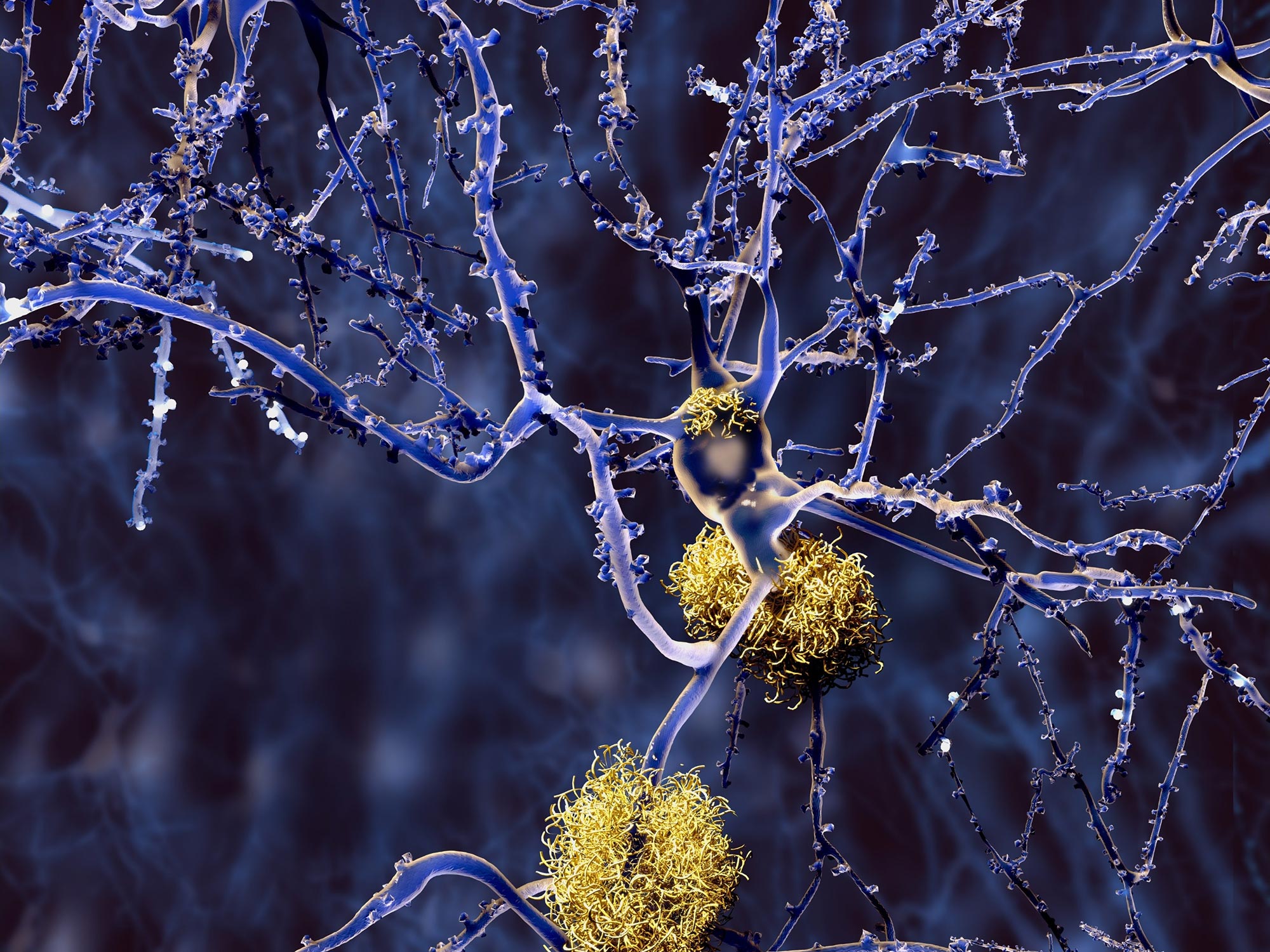
While newer antibody medications like lecanemab and donanemab aim to remove amyloid from the brain, their effectiveness has been limited for many patients. Additionally, these treatments can result in significant costs and potential side effects, such as brain swelling and bleeding, known as amyloid-related imaging abnormalities (ARIA).
In contrast, the Japanese researchers investigated whether arginine could prevent amyloid proteins from aggregating in the first place, rather than attempting to clear existing plaques.
Mechanism of Action: How Arginine May Shield the Brain
Arginine serves as a chemical chaperone, helping proteins maintain their proper structure and preventing the misfolding associated with neurodegenerative diseases. Previous studies from the same team indicated that arginine could diminish harmful protein aggregation in conditions like spinocerebellar ataxia type 6 (SCA6), leading them to explore its effects in the context of Alzheimer’s disease.
Led by graduate student Kanako Fujii and Professor Yoshitaka Nagai from Kindai University’s Faculty of Medicine in Osaka, along with Associate Professor Toshihide Takeuchi, the research team conducted laboratory experiments. They discovered that arginine effectively decreased the formation of Aβ42 fibrils, which are particularly prone to aggregation. Higher concentrations of arginine were linked to stronger anti-aggregation effects, with electron microscope images showing shorter and less developed amyloid fibers in the presence of arginine.
Promising Results in Fruit Fly and Mouse Models
Progressing to animal models, researchers tested arginine on genetically engineered fruit flies that possess the aggressive Arctic mutation linked to inherited Alzheimer’s disease. They observed a reduction in amyloid buildup as well as minimized ocular damage, a common neurotoxicity indicator in Drosophila studies. The protective effects intensified with increased doses of arginine.
Next, arginine was tested in AppNL-G-F knock-in mice, which contain three human familial Alzheimer’s mutations and develop amyloid plaques over time. Mice receiving arginine in their drinking water from an early age produced fewer plaques in critical memory regions, including the hippocampus and cortex.
Crucially, this treatment did not merely reduce amyloid production; it also appeared to disrupt the aggregation process. Levels of insoluble Aβ42—a form closely associated with plaque formation—declined significantly, while soluble amyloid levels remained relatively stable.
Enhancements in Behavior and Reduced Inflammation
The treated mice exhibited neurological improvements, showing more movement and exploratory behavior in maze tests compared to untreated Alzheimer’s model mice. Additionally, they displayed reduced activity in inflammatory genes linked to cytokines like IL-1β, IL-6, and TNF, which are closely associated with chronic inflammation in Alzheimer’s disease.
“Our study demonstrates that arginine can suppress Aβ aggregation both in vitro and in vivo,” stated Professor Nagai. “What is particularly exciting about this finding is that arginine is clinically safe and inexpensive, making it an excellent candidate for repositioning as a therapeutic option for AD.”

In the field of neuroscience, the concept of “drug repositioning” is increasingly appealing as developing new Alzheimer’s medications can take over a decade and require significant financial resources. Utilizing existing compounds with established safety profiles may allow for faster progression into clinical trials.
Exploring Broader Applications Beyond Alzheimer’s
Researchers emphasize that amyloid buildup might occur 15 to 20 years before memory-related symptoms become apparent. Given that arginine can be administered orally and has previously demonstrated efficacy for various disorders, there is potential for it to be explored as a long-term preventive measure, especially for individuals at heightened genetic risk.
However, it is crucial to note that the study remains in preclinical stages. Animal models do not fully replicate human Alzheimer’s, and the mice in this research do not exhibit all the defining characteristics of the disease, such as extensive neuron loss or tau tangles. The experimental doses used in the study also differ from those found in commercially available supplements.
“Our findings pave the way for the development of arginine-based strategies to combat neurodegenerative diseases caused by protein misfolding and aggregation,” Nagai noted. “Thanks to its exceptional safety and affordability, arginine could swiftly transition to clinical trials for Alzheimer’s and potentially other related disorders.”
Moving forward, researchers indicate that larger preclinical and human studies are essential to ascertain whether arginine can significantly slow the progression of Alzheimer’s disease in affected individuals.
Reference: “Oral administration of arginine suppresses Aβ pathology in animal models of Alzheimer’s disease” by Kanako Fujii, Toshihide Takeuchi, Yuzo Fujino, Noriko Tanaka, Nao Fujino, Akiko Takeda, Eiko N. Minakawa and Yoshitaka Nagai, 30 October 2025, Neurochemistry International.
DOI: 10.1016/j.neuint.2025.106082
Funding: Ministry of Education, Culture, Sports, Science, and Technology, Japan Society for the Promotion of Science, Japan Science and Technology Agency, National Center of Neurology and Psychiatry
Stay updated on breakthroughs: Join the SciTechDaily newsletter.
Follow us on Google and Google News.


