The nutritional guidance for pregnant women in America tends to be quite uniform: take prenatal vitamins, consume specific foods, and adhere to outlined dietary numbers. However, few are aware that many of these nutritional benchmarks were established in 1941, primarily to ensure that soldiers and civilians had enough nutrition during wartime.
The Recommended Dietary Allowances were created with a focus on nutrition needs that were critical for “national defense.” Unfortunately, pregnant women were often seen as an afterthought in this initiative. This oversight from the past has persisted; our standards still largely overlook pregnant women’s specific nutritional requirements.
Many of the nutritional recommendations for pregnancy were derived not from studies on pregnant individuals but from adaptations of data for non-pregnant women — or even men — and thus, the Nutrition for pregnant women has become a somewhat distorted game of telephone.
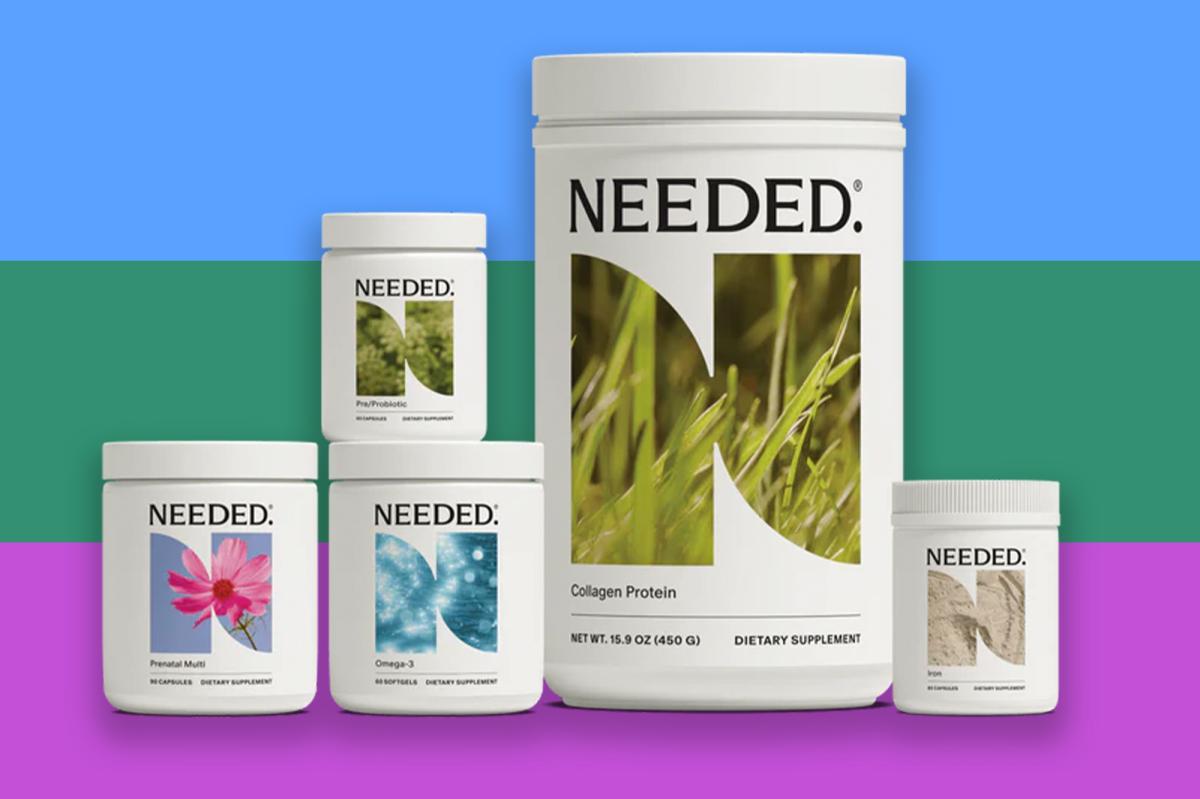
Enter Needed, a women’s nutrition company founded by two mothers who are also qualified nutritionists. They recognized that research demonstrates women are often nutritionally depleted during the crucial phases of their lives, and the existing guidelines do a poor job of addressing their needs.
Taking a proactive approach, Needed collaborates with healthcare professionals and researchers to translate current scientific findings into actionable advice, while also advocating for policy reform in nutrition standards, rather than just selling supplements.
Currently, Needed is spearheading a national initiative urging Congress and federal agencies to update the nutrition standards for pregnancy and breastfeeding based on contemporary, population-specific science.

Needed’s supplements are based on a fundamental principle: if federal guidelines do not accurately reflect the nutritional needs of pregnant and breastfeeding women, then the products should also not follow these outdated standards. Their formulations are created in direct partnership with healthcare professionals, emphasizing bioavailable ingredients that cater to the specific needs of fertility, pregnancy, postpartum recovery, and beyond. For instance, the vitamin D deficiency is a glaring issue; conventional supplementation often results in breast milk that doesn’t meet the daily requirements for breastfed infants, highlighting how prenatal vitamins rooted in 1941 standards can leave mothers and babies in a tough spot, even when mothers are diligent.
This article was authored by Kendall Cornish, New York Post Commerce Editor and Reporter. Aside from her work at the Post, Kendall enjoys a second career as a private chef for New York elites in the Hamptons, which adds to her knowledge of cooking product evaluations — from beginner tools to advanced sous chef gear. Alongside her culinary pursuits, she offers insights on various topics including the top cookware, gourmet meal kits, and an assortment of Ninja appliances. Before joining the Post’s shopping team in 2023, Kendall held roles at Apartment Therapy and Dotdash Meredith’s Travel + Leisure and Departures magazines.


