A Sustainable Source of Vitamin B12 from Spirulina
A recent study highlights a groundbreaking advancement in Spirulina, a nutrient-dense algae, showing its potential to resolve a significant nutritional deficiency. Researchers have discovered that a specially cultivated variety of Spirulina can generate bioavailable vitamin B12 at levels comparable to those found in beef, potentially transforming our approach to sustainable nutrition.
This pivotal research, published in Discover Food, was spearheaded by Dr. Asaf Tzachor of Reichman University, alongside partners from Iceland, Denmark, and Austria. Their investigation focused on a method that employs precisely controlled light to cultivate what they term photosynthetically controlled Spirulina.
In contrast to traditional Spirulina, which primarily contains a non-active form of vitamin B12 that humans cannot use, this modified version produces the active form necessary for human health. This represents the first documented instance of biologically active vitamin B12 in Spirulina.

The Global Plight of Vitamin B12 Deficiency
Vitamin B12 deficiency remains a widespread issue, affecting over a billion individuals globally. This vitamin plays a crucial role in DNA synthesis, nerve function, and red blood cell formation. Severe deficiencies can lead to anemia, nerve damage, cognitive decline, and developmental issues in infants. Addressing this challenge is complicated by the fact that most natural sources of B12 come from animal-based foods, such as meat and dairy.

Foods such as beef and milk are primary sources of vitamin B12, yielding the recommended intake of 2.4 µg/day. However, the production of these items imposes significant environmental challenges, including high greenhouse gas emissions, land use, water consumption, and deforestation. Thus, while animal products are vital for nutrition, increasing their production to combat B12 deficiency carries a heavy ecological toll.
Spirulina has been hailed as a potential alternative, being rich in protein, essential amino acids, iron, and various micronutrients. It has also gained attention for its antioxidant and anti-inflammatory properties. However, a significant drawback has been its nutritional profile, particularly regarding vitamin B12.
Most vitamin B12 found in conventional Spirulina is in the form of pseudo-vitamin B12, or cobamide, which is not bioavailable for human use. While it may resemble B12 chemically, it does not alleviate deficiency concerns.
Creating a Bioactive Form of B12
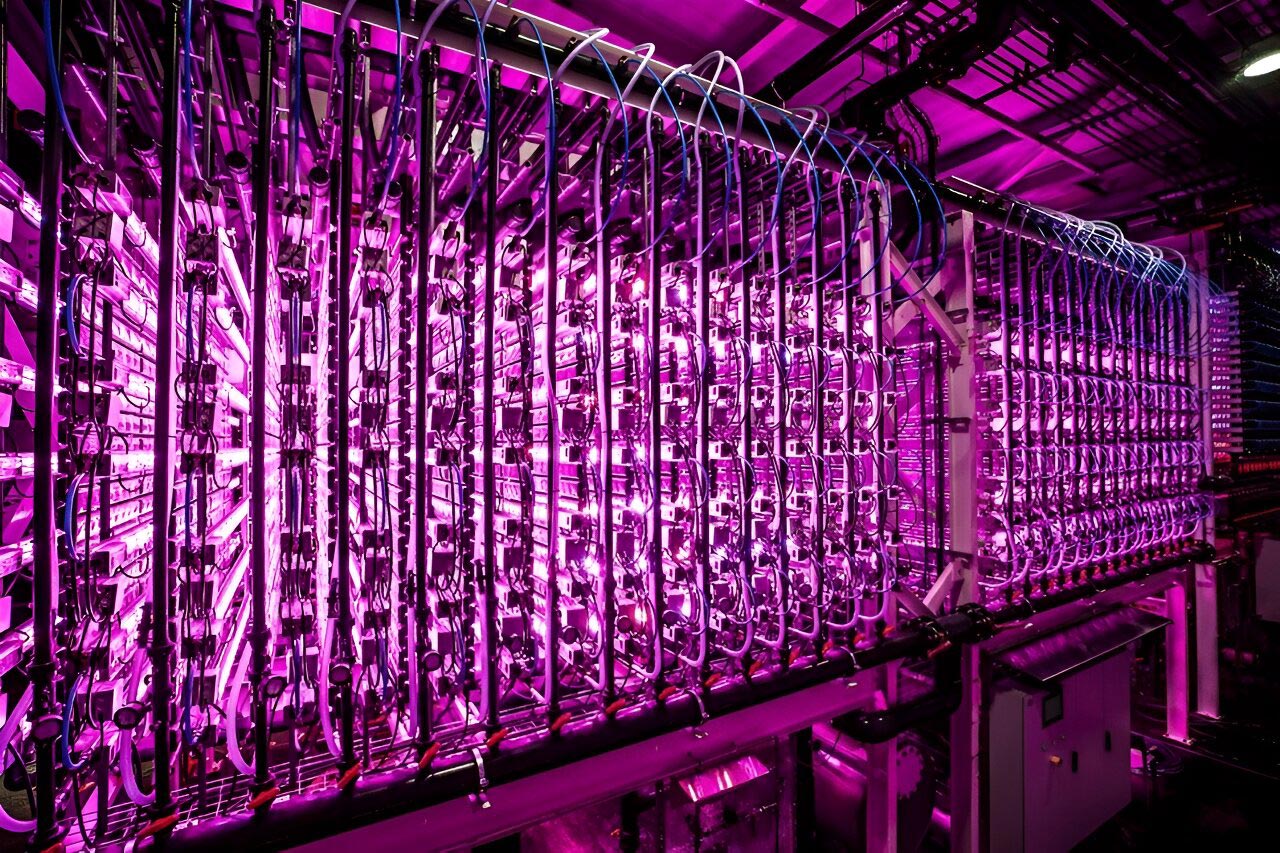
To overcome this limitation, the researchers utilized a biotechnological system developed by VAXA Technologies in Iceland. In this method, Spirulina is cultivated in closed photobioreactors using artificial light. By adjusting the light conditions, the team could enhance the algae’s metabolism without the need for genetic modification.
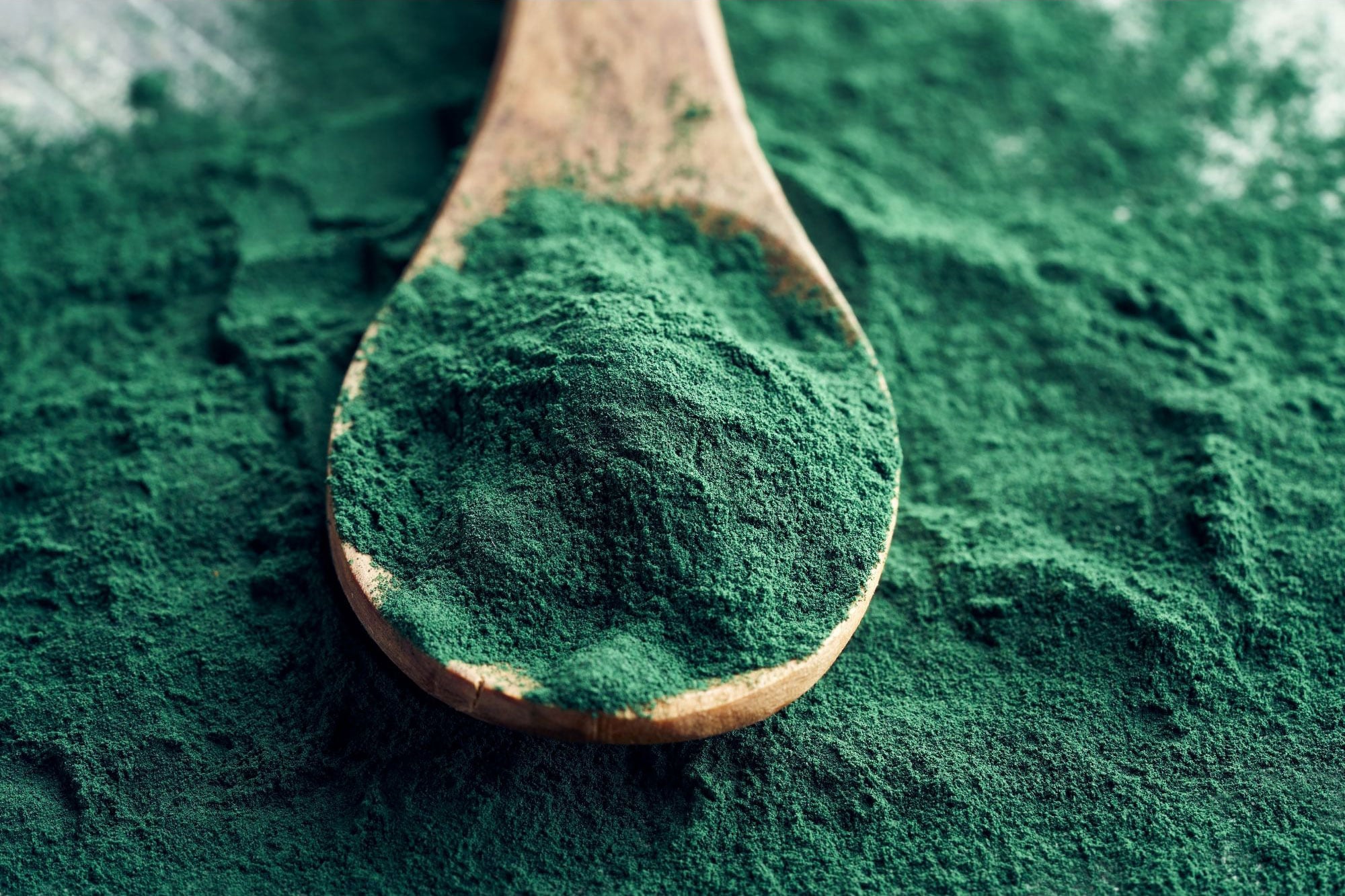
The resulting biomass was found to be carbon neutral and rich in biologically active vitamin B12, with levels similar to those in beef (1.64 µg/100g in PCS compared to 0.7–1.5 μg/100g in beef). Over 98% of the vitamin B12 detected in this cultured Spirulina was in its active form, a notable shift from traditional products dominated by the inactive form.
Moreover, the researchers observed that these results remained consistent over a continuous cultivation period of nine months, indicating a reliable production method.
Dr. Asaf Tzachor remarked, “Our findings demonstrate that photosynthetically controlled Spirulina can yield significant levels of active vitamin B12, providing a sustainable alternative to conventional animal-source foods.”
Potential for Scalable Sustainable Production
This innovative system is designed for controlled industrial cultivation. The research team modeled scenarios for scaling this process in Iceland, utilizing the country’s renewable geothermal and hydroelectric energy sources. The projections indicate that if the electricity used by heavy industries were redirected, Iceland could potentially produce 306,400 US tons of Spirulina biomass annually.
This production level could generate approximately 4,555 grams of active vitamin B12 each year, sufficient to satisfy the dietary recommendations for over 13.8 million children aged 1–3. Moreover, in more ambitious projections, the output could potentially cater to the needs of over 26.5 million children aged 1–3 and more than 50 million infants aged 0–6 months.
In summary, these findings present an encouraging prospect for addressing global vitamin B12 deficiency while decreasing reliance on environmentally taxing meat and dairy production.
Reference: “Photonic management of Spirulina (Arthrospira platensis) in scalable photobioreactors to achieve biologically active unopposed vitamin B12” by A. Tzachor, S. P. van den Oever, H. K. Mayer, M. Asfur, A. Smidt-Jensen, M. Geirsdóttir, S. Jensen and B. O. Smárason, 7 August 2024, Discover Food.
DOI: 10.1007/s44187-024-00152-1
Stay updated on the latest breakthroughs: Join the SciTechDaily newsletter.
Follow us on Google and Google News.