The Evolution of Europe’s Fitness Market: Insights from David Lloyd’s Acquisition of Aspria
The fitness landscape in Europe is undergoing significant transformations, particularly in the luxury sector. This article explores the recent acquisition of Aspria by David Lloyd Clubs and what it signifies for the future of fitness facilities across the continent.
A Shift Towards Premium Fitness Experiences
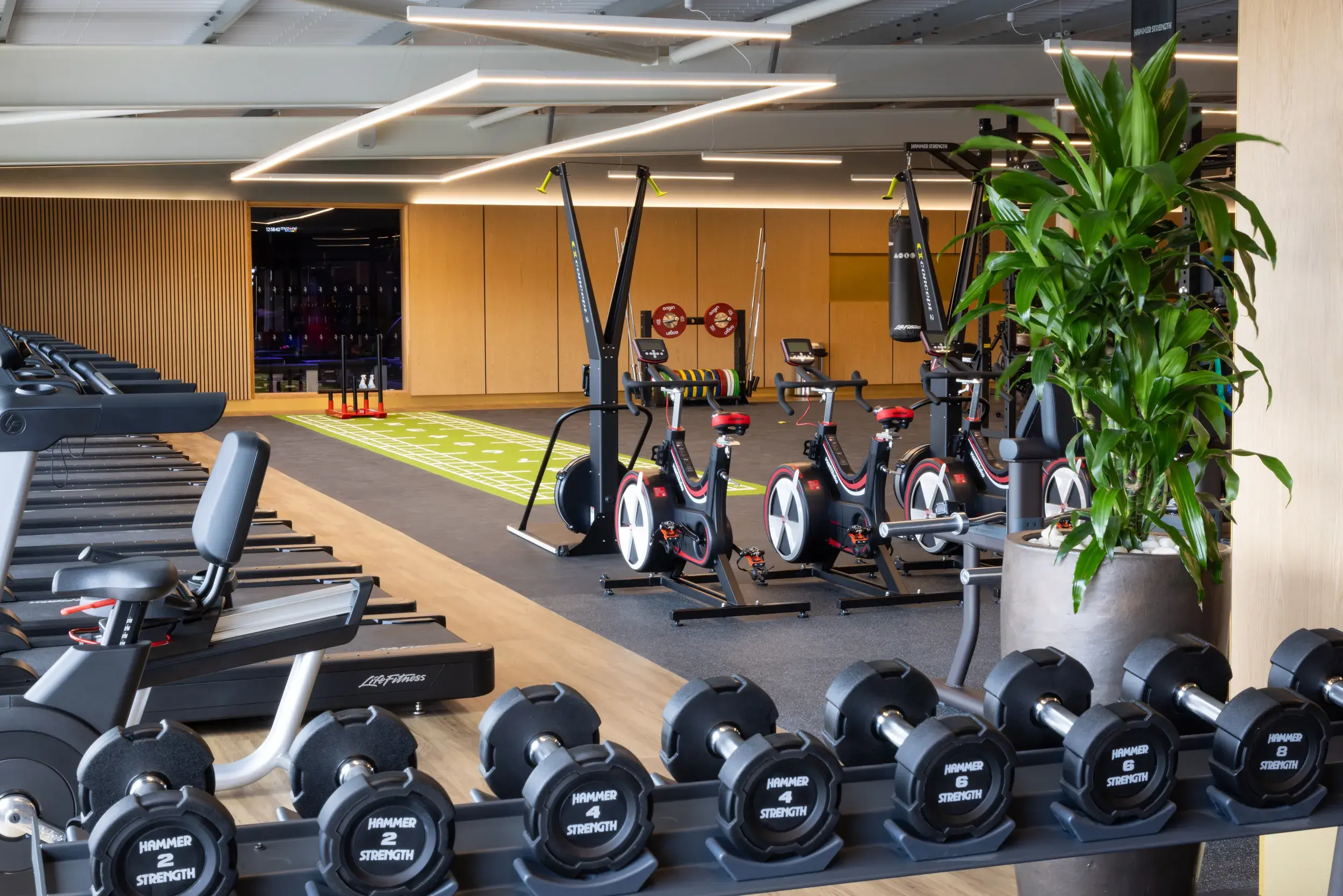
The European fitness market is currently witnessing a shift, where luxury operators are expanding their offerings. Fitness clubs are evolving into larger, full-service environments that go beyond traditional workout spaces, catering to members who seek a comprehensive wellness experience. The Aspria chain, recently acquired by David Lloyd Clubs, exemplifies this evolution. With locations in cities such as Brussels, Hamburg, Milan, and Rome, Aspria clubs offer amenities like pools, racquet sports, and dedicated recovery areas—designed to encourage longer visits rather than quick workouts.
Arnold Holle, a managing partner at Carlsquare, noted, “The average stay at these clubs is about an hour and a half, with some members spending entire days there.” This evolving model reflects a broader trend across Europe, where premium clubs are seeing memberships priced between €200 ($234) and €300 ($350) per month. These establishments are increasingly viewed as spaces for fitness, leisure, and social interaction rather than just exercise hubs.
The Impact of Consumer Expectations
As consumer expectations rise, the operation of these elite facilities becomes more complex. Achieving consistency across multiple locations, managing staffing effectively, and maintaining high-quality experiences are crucial for success. Holle emphasizes the challenges smaller operators face, stating, “There is a way to run these businesses profitably, but it is difficult to develop that if you only have one or two clubs.” Many independent fitness operators are now seeking partnerships or acquisition opportunities to improve their operational capabilities and competitive stance.
Larger Operators and Smaller Concepts
Larger players like David Lloyd are applying successful strategies across multiple markets, but this opens up opportunities for smaller, specialized fitness concepts to thrive alongside larger clubs. Formats such as reformer Pilates studios require lower investments and can fit into diverse real estate spaces, allowing for flexibility and growth without directly competing with larger operators.
Holle highlights the appeal of these niche formats: “The beauty of those formats is that they can go into smaller, more awkward spaces,” reaffirming their continued expansion in urban areas.
The Future of the Fitness Industry in Europe
Europe’s fitness market is home to approximately 75.5 million members and generates €39.1 billion ($44.5 billion) in revenue. While the market is gradually finding its equilibrium, it is evident that consumer preferences are shaping the industry. Although ultra-premium concepts have not fully penetrated every market, the overall trend is moving towards integrated fitness experiences, longer engagement periods, and expansive club networks.
Conclusion
In summary, the acquisition of Aspria by David Lloyd Clubs serves as a pivotal example of how the European fitness sector is evolving. As members seek more than just a space to work out, fitness facilities must adapt to meet the demand for leisure, wellness, and social interaction. Whether you’re a casual gym-goer or an industry professional, staying informed about these trends can help enhance your fitness journey and improve your business strategies in this dynamic market.