Traveling with Your Dog: Keeping Their Stomach Happy
For many dog owners, a vacation isn’t complete without their furry companion. Whether it’s a summer road trip, a weekend at a lake house, or an overseas beach getaway, sharing these experiences with your dog can be delightful. However, travel can also lead to unexpected issues like refusal to eat, nausea, or bathroom emergencies, making for a less than ideal experience.
Why Travel Can Upset Your Dog’s Stomach
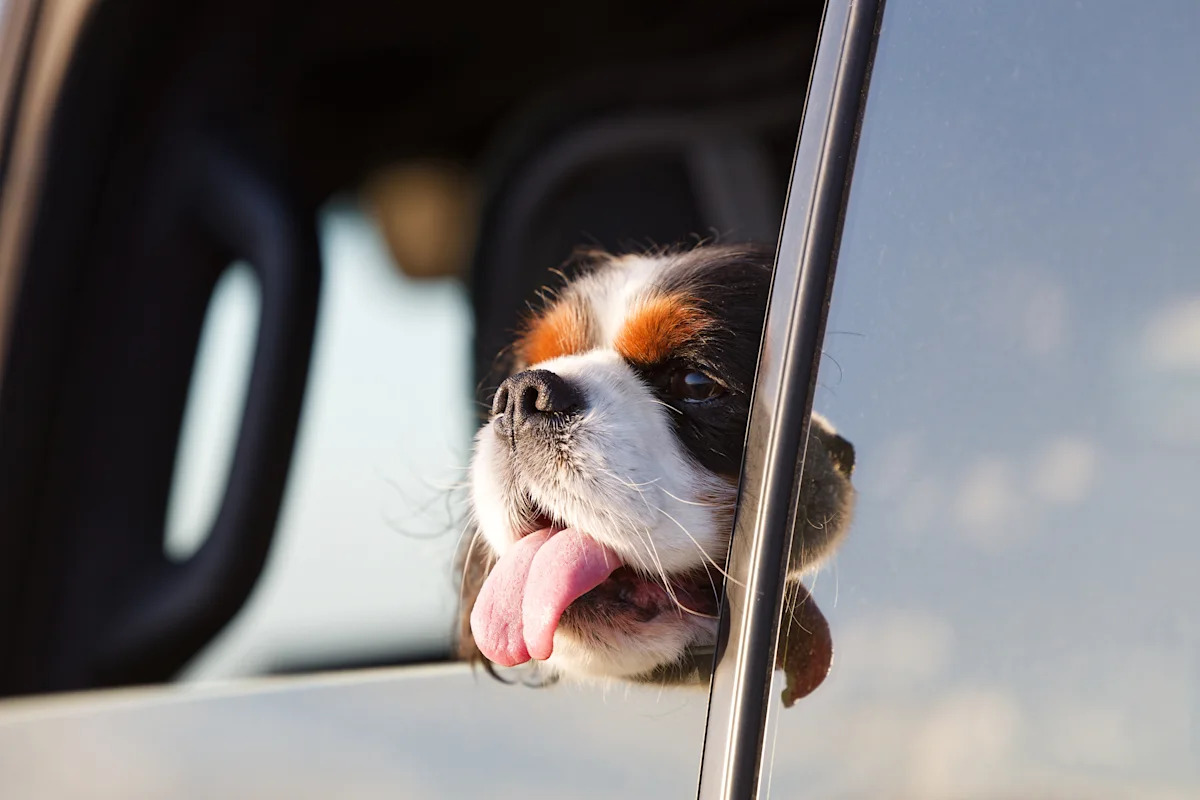
Dr. Moran Tal-Gavriel, head of veterinary nutrition at Open Farm, explains that travel-related digestive upsets often arise due to multiple factors: disruption of routine, stress, hydration levels, and dietary changes. Dogs thrive on predictability; so, new environments, sounds, smells, and altered schedules can lead to digestive discomfort. The connection between the gut and brain means that anxiety, excitement, or even overstimulation can manifest as stomach problems. Different modes of travel can also be challenging: some dogs tolerate car rides well, while others might suffer from motion sickness, and flying introduces additional stressors like noise, confinement, and changes in air pressure.
Preventing Digestive Problems During Travel
-
Consistency is Key: Stick to your dog’s regular diet as much as possible. Bring enough of their usual food along for the trip, ideally with some extra on hand.
-
Maintain Routine: Dogs function best on a predictable schedule for meals, walks, and bathroom breaks. Try to keep their routine as stable as possible during your travels.
-
Hydration: Offer water regularly, especially on hot days or long journeys. For dogs that struggle to drink while traveling, consider adding water to their food or offering moisture-rich foods.
-
Probiotics: Some dogs may benefit from probiotics during travel to support gut health. Open Farm’s GoodGut kibble, which combines dry food with freeze-dried raw pieces and probiotics, can be a convenient option.
-
Plan Ahead: Introduce any new foods well before traveling to help your dog’s digestive system adjust.
When to Call the Vet
Most mild digestive issues in dogs while traveling will resolve on their own, possibly presenting as a single softer stool or temporary decrease in appetite. However, watch for worrisome signs like persistent vomiting, diarrhea with blood, lethargy, or inability to keep water down. Vulnerable dogs, such as puppies, seniors, or those with underlying health issues, may need quicker veterinary attention.
With thoughtful preparation, you can reduce the chances of digestive troubles while traveling with your dog, allowing you to enjoy your adventures together.