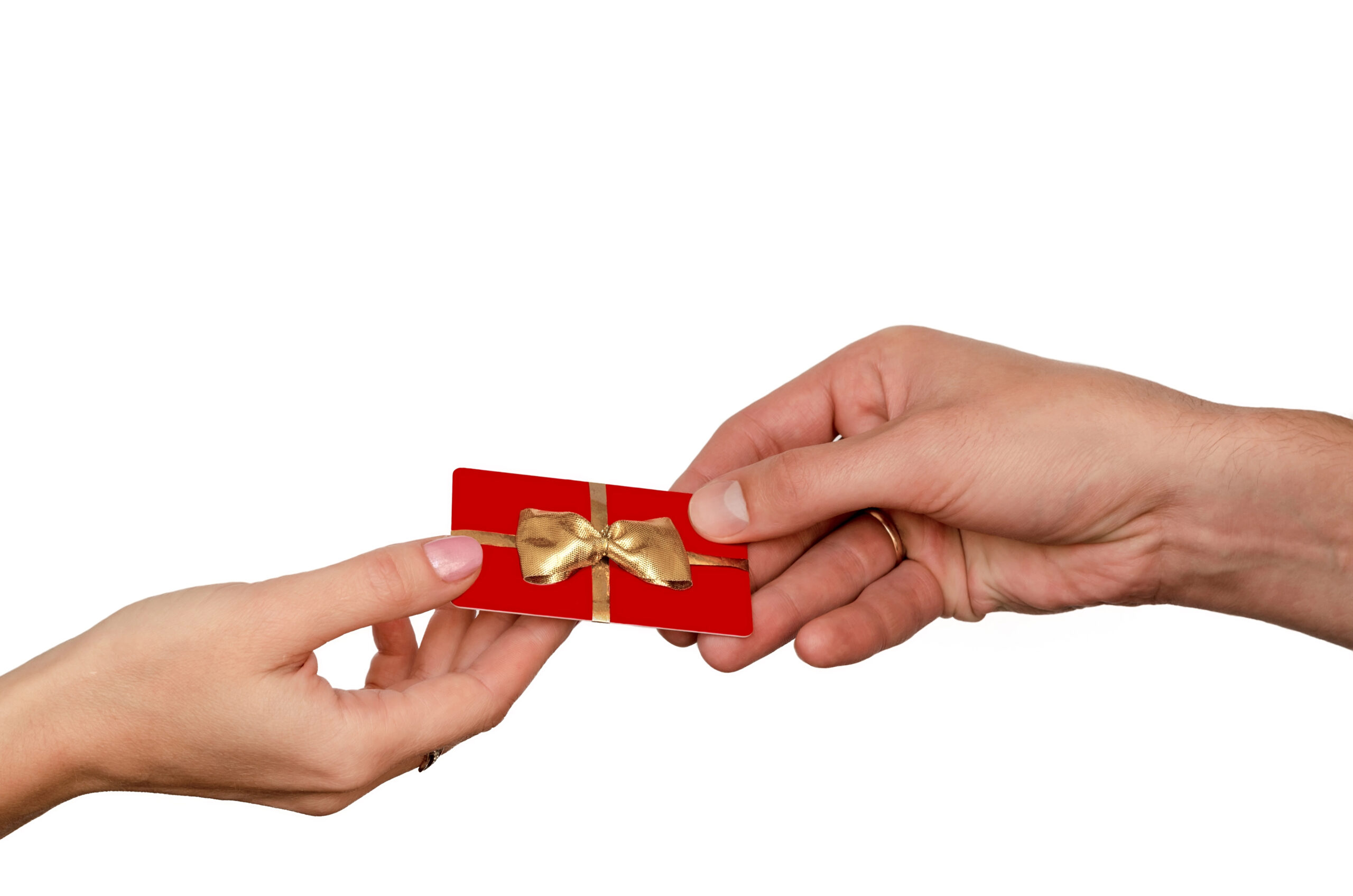
Recently, my brother jokingly expressed his curiosity about the origin of gift cards, questioning how anyone could think consumers would willingly limit the utility of their money. This raises an intriguing dilemma not only for consumers but also for economists.
The renowned economist Carl Menger discussed this in his influential work, On the Origins of Money. He posited that money might have emerged organically as individuals sought to trade for more “saleable” goods without governmental intervention.
Menger’s concept of “saleableness” closely parallels our current understanding of “liquidity.” A more saleable good can be exchanged more readily and at its full value. For instance, while selling a house can be time-consuming, products like Girl Scout cookies are universally appealing and can be sold quickly.
This raises an interesting question: If people prefer more saleable items for trade, why would anyone purchase a gift card? This is at the heart of my brother’s amusing observation. Gift cards can only be redeemed for specific goods, leading to the conclusion that they may indeed be less saleable.
Yet, not all trading decisions stem from the desire for greater saleability. I might be willing to exchange cash for a chocolate bar, fully aware that I am sacrificing some liquidity in the process. I have personal reasons for that choice. In the case of gift cards, though, the buyer is still acquiring something intended to function as currency. Most buyers hope the gift will eventually be spent. So, why is there a demand for a currency that is less liquid? Does this contradict Menger’s theory?
One possible explanation is that the buyer may have specific intentions for the recipient’s purchasing decisions. In fact, decreased saleability can have its own appeal. For example, a man I know keeps $100 McDonald’s gift cards on hand to give to homeless individuals. He opts for gift cards instead of cash, believing they are less likely to be exchanged for drugs. While he can’t carry food with him, the gift cards offer both portability and the assurance of directing what the recipient will consume.
Conversely, if your grandmother gifts you a $50 Amazon gift card, it is likely that she is not concerned about your potential spending habits. Generally, people buy gift cards to cater to the preferences of the recipient. So what accounts for the widespread popularity of gift cards?
A significant contributing factor may be social norms. While it’s common to give cash gifts to children, this practice tends to wane among adults. Gift-giving becomes more deliberate as adults possess the means to make their own purchases. Consequently, cash gifts could lead to a cycle of exchanging money rather than thoughtful gifting.
Such social conventions limit the types of gifts one adult can give another. If I want to give my friend $20, I must invest time to select a gift that aligns with her tastes. Even with close friends, I could misjudge her preferences or not spend the $20 as she would like.
This is where gift cards become intriguing. When social norms inhibit cash gifting, purchasing a gift card actually enhances the saleability of that $20.
Consider this perspective: If I intend to give my friend a gift worth $20, I might choose between two Yankee Candles, a book, or a bouquet from the grocery store. Regardless of the physical gift I select, my $20 is effectively locked into that item and carries minimal resale value. However, if I opt for a $20 gift card to Target, I may lose some liquidity, but I’ve allowed my friend much greater flexibility in what she can acquire. She will find it far easier to redeem a $20 gift card at an economic price compared to trying to trade Yankee Candles.
What about the norms regarding cash gifts among adults? Gift cards provide a solution to some objections associated with this practice. If two adults exchange gift cards, each ends up with something different than they had before. Although gift cards are less liquid than cash, they also meet the basic expectations of thoughtfulness. They may not be seen as deeply considerate, but recipients often appreciate the enhanced flexibility too much to complain.
So, the next time you’re buying a gift card for a friend, don’t worry about whether Carl Menger would approve. The booming $1.24 trillion gift card market reflects the very kind of organic emergence that Menger discussed.