Overview
- Coachella collaborated with Google DeepMind to develop three AI initiatives during the 2026 festival.
- The innovations include a 3D rendition of live performances, a stage-design application, and an interactive mobile game.
- These projects build upon Coachella’s previous endeavors in augmented reality, NFTs, and enhancing fan interactions.
Coachella is revolutionizing the festival experience by turning it into a testing ground for artificial intelligence.
In this year’s event, the festival teamed up with Google DeepMind to develop experimental tools aimed at transforming how artists create their performances, as well as how attendees engage with them.
Focusing on “world models,” which are AI systems that create interactive digital environments, Coachella’s innovation team spent the 2026 festival building three prototypes using Google DeepMind’s Project Genie, a platform for these models.
“We engaged in this project with the goal of exploring how these tools can broaden an artist’s canvas, enhance creative expression, and simplify the experience for fans,” Ryan Cenicola, Coachella’s innovation production lead, stated in an interview with Decrypt.
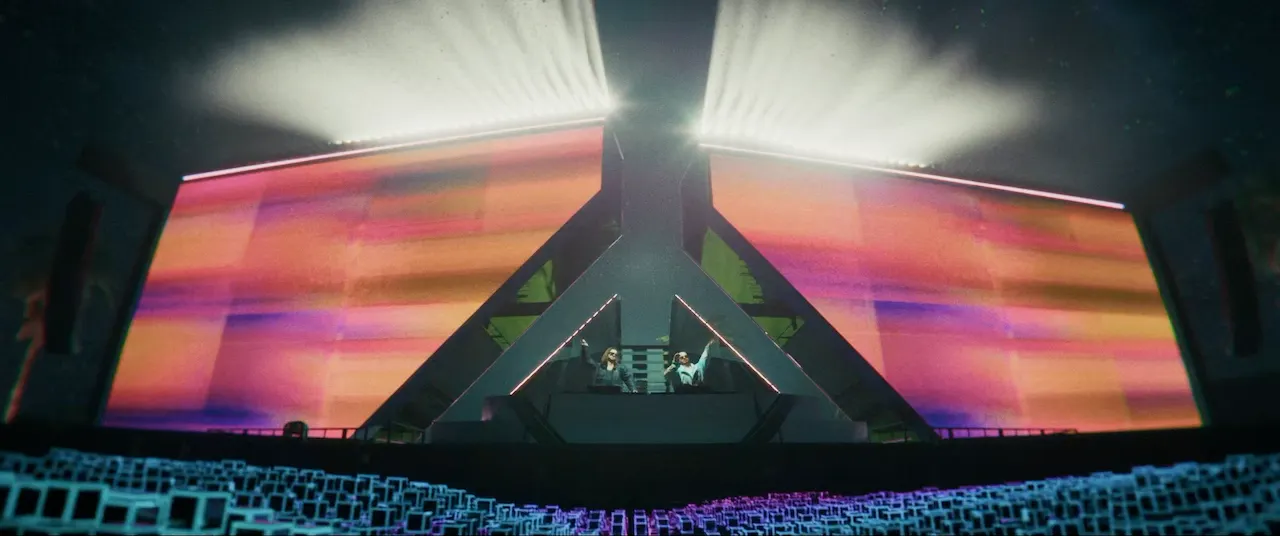
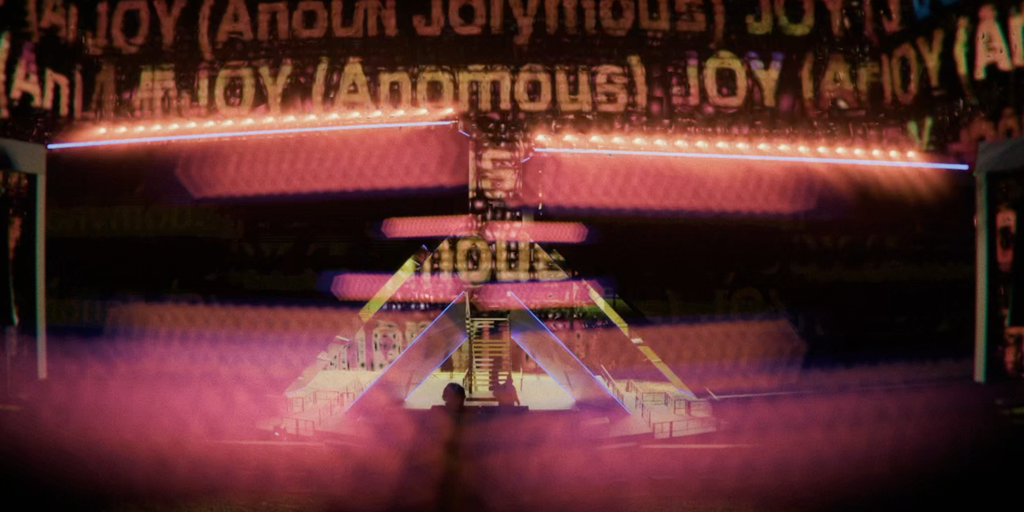
One of the prototypes, named “Turning Performances Into Interactive Experiences,” captures live shows and transforms them into 3D environments that fans can explore. During the first weekend of the festival, teams captured crucial elements such as lighting, audio, visuals, and the movements of both the audience and performers during a Quasar stage set, subsequently recreating the performance in Unreal Engine.
The festival envisions this technology as capable of creating “living archives” of performances, allowing fans to navigate and relive moments from various angles, with real-time generated visual enhancements.
“We are definitely exploring how attendees at the festival can engage with this content in the future,” Cenicola added. “Looking ahead, with developments in technology like smart glasses, we see immense potential for an immersive experience for fans on-site.”
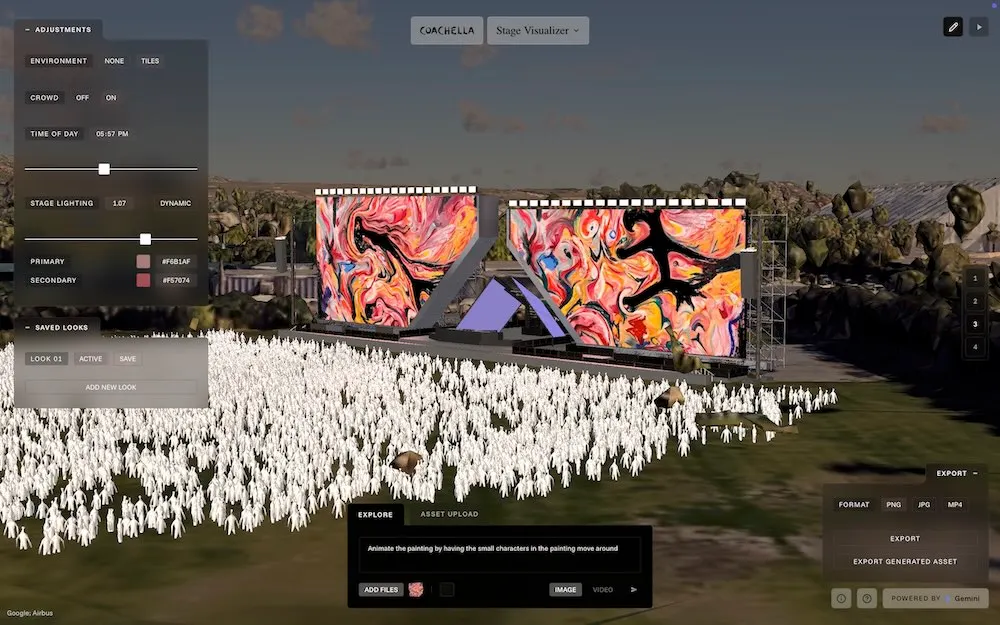
The second prototype serves as a stage-design tool for artists. This software allows performers to upload their visuals or enter specific prompts, enabling them to visualize how a show would look on a 3D model of the Coachella stages at various times and crowd dynamics. The aim is to democratize production tools, making them accessible to smaller acts that typically lack extensive resources.
The third project is an interactive mobile game titled Coachella vs. The Game, where players assume control of an astronaut exploring digital realms inspired by festival artists. This concept is likened to games that prospective theme park visitors engage with, providing fans a chance to familiarize themselves with the lineup before arriving at the festival.
“Typically, it takes six to 12 months to develop a high-quality experience. However, we’ve significantly reduced that timeframe since the beginning of this year,” said Kevin McMahon, Coachella’s innovation partnerships lead, speaking to Decrypt.
When asked about Coachella’s choice of Google DeepMind over other competitors like OpenAI or Anthropic, McMahon cited the company’s superior visual AI tools and the established relationship between them and the festival.
“We operate in a visually rich environment, and they possess the best visual models,” he explained. “Our collaboration extends to various aspects of the festival, including our YouTube livestream, which is part of Google’s broader relationship with us. Their models are user-friendly and they’ve been delivering updates promptly. We look forward to further collaboration.”
These AI innovations at Coachella represent a continuation of the festival’s exploration of advanced technology to enhance experiences beyond the live event. In 2024, the festival introduced Coachella Quests, a game utilizing the Avalanche blockchain that allowed attendees to complete challenges and earn benefits through NFT stamps. That same year, Coachella introduced Avalanche-based NFT passes and collectibles after the breakdown of a previous partnership with FTX for Solana-based NFTs amidst the exchange’s collapse.
“Experiences like Coachella Quest enabled us to create engaging interactions that prompt attendees to explore and connect while offering them a unique way to discover new aspects of the festival,” McMahon reflected. “We consistently receive positive feedback about these enjoyable surprises.”
The festival has also enhanced augmented reality experiences for viewers of livestreams. This year’s AR broadcasts included digital effects superimposed onto performances meant solely for online audiences.
Currently, these AI initiatives remain internal and have not been made publicly available. Cenicola mentioned that Coachella is analyzing insights gained from this year’s festival before determining what elements may be implemented in future editions.
“It’s challenging to establish a definitive timeline,” he noted. “We’re in the process of gathering learnings from these three prototypes we finished last weekend and collaborating with our team and DeepMind to identify the next steps.”
Daily Debrief Newsletter
Start every day with the top news stories right now, plus original features, a podcast, videos, and more.