Embracing the Future of Fitness: A Guide to Connected Fitness Trends
The fitness landscape is evolving rapidly, with technology playing a pivotal role in shaping how we approach physical health. The rise of “connected fitness” refers to the integration of technology in fitness practices, enhancing our ability to monitor and improve our wellbeing.
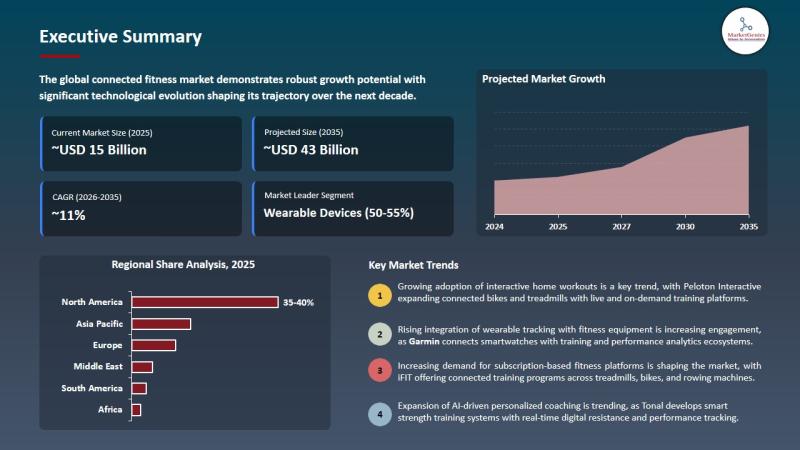
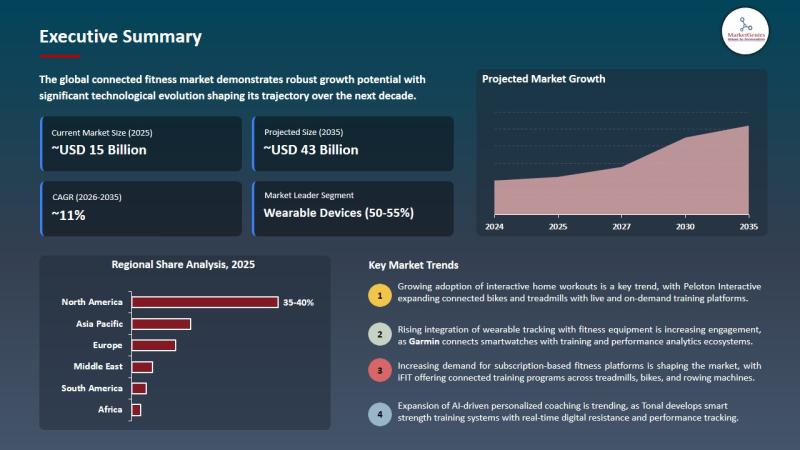
In this article, we explore practical insights from the growing connected fitness market, which is projected to reach USD 43.3 billion by 2035. Here’s how you can navigate this exciting realm of fitness and make the most out of emerging trends.
Connected Fitness Market Size, Share, and Growth
Understanding Connected Fitness
Connected fitness is reshaping wellness by focusing on personal data, customized experiences, and continuous engagement. It’s no longer just about owning fitness equipment; it’s about leveraging data to enhance your training.
The Market Landscape
-
Growth Opportunities: The connected fitness market is transitioning from hardware-driven expansion to integrated ecosystems that unite devices, software, and subscriptions. Companies like Apple, Fitbit, and Peloton lead this shift by providing comprehensive platforms that go beyond mere devices.
-
Wearables Dominance: Wearable devices are at the forefront, accounting for a substantial portion of the market share. Smartwatches and fitness trackers enable real-time monitoring, offering invaluable insights into your health and performance.
Adapting to New Trends
-
Integrated Ecosystems: Modern fitness solutions combine hardware, software, and community engagement. The focus is shifting from individual device performance to the depth and adaptability of the fitness ecosystem itself.
-
Personalization & AI: Artificial Intelligence is revolutionizing fitness coaching by offering tailored workout recommendations and insights based on your performance data. Personalized training plans can enhance motivation and lead to better outcomes.
-
Home Fitness Revolution: With the rise of home fitness, digital platforms that offer online classes and training programs are becoming increasingly popular. This shift allows for flexibility and accessibility, making fitness more viable for everyone.
Practical Tips for Engaging with Connected Fitness
-
Embrace Wearable Technology: Invest in a smartwatch or fitness tracker that suits your needs. These devices empower you to monitor various health metrics, encouraging accountability and motivation.
-
Leverage Digital Platforms: Explore subscription-based services like Peloton or Apple Fitness that offer an array of on-demand classes, enabling you to work out at your convenience.
-
Set Achievable Goals: Use insights from your devices to set realistic fitness milestones. Regularly assess your progress and adjust your plans accordingly to stay motivated.
-
Join Fitness Communities: Engage with online communities that offer support and motivation. Sharing experiences with others can boost your commitment to your fitness journey.
-
Explore Hybrid Solutions: Look for integrated fitness options that combine physical equipment like smart weights with virtual classes to enrich your workout experience.
Conclusion
As we embrace the new era of connected fitness, understanding its dynamics can greatly enhance your personal fitness journey. By engaging with technology and leveraging the benefits of connected devices, you can achieve more effective workouts and stay motivated.
The future of fitness is not only about exercising; it’s about creating a holistic experience that integrates technology, data, and community. Whether you’re a seasoned athlete or just starting out, the advancements in connected fitness offer opportunities for everyone to thrive in their wellness journey.