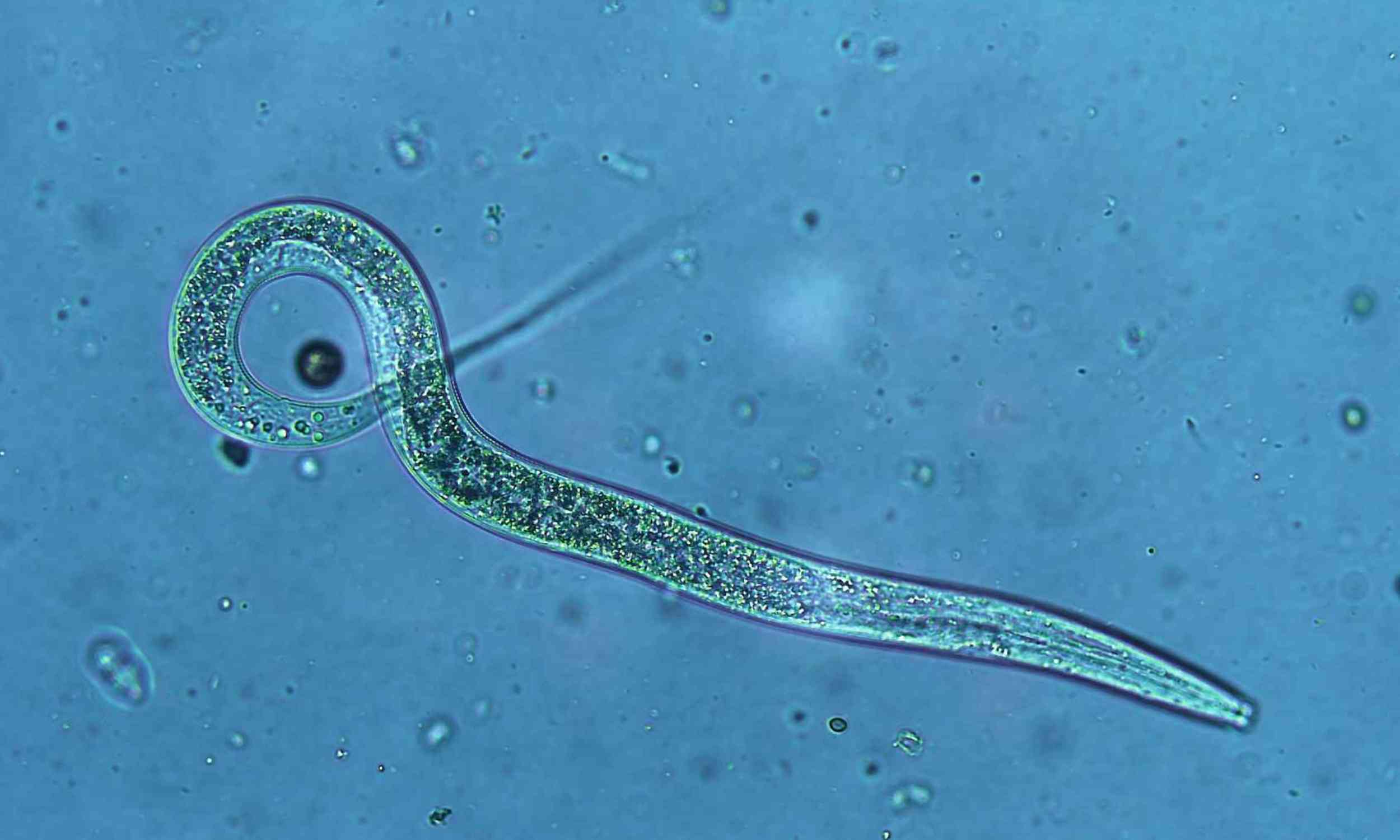
A recent breakthrough in scientific research has shown that vitamin B12 can induce changes in the mouth shape of worms, allowing them to develop predatory features that are then passed on to their offspring without altering their DNA. This remarkable discovery highlights the connection between diet and inheritance across generations, suggesting that nutrients serve as biological signals.
Evidence in worms

In laboratory studies involving the worm species Pristionchus pacificus, researchers observed that the worms either retained a narrow mouth or developed predatory features. Shiela Pearl Quiobe from the Max Planck Institute for Biology Tübingen (MPI) linked vitamin B12 intake to the inheritance of these predatory traits. Notably, this change persisted through future generations, even when the worms reverted to a standard diet.
How B12 alters traits
Vitamin B12 rapidly prompted the formation of predatory mouth shapes when the worms were fed either specific bacteria or supplemented foods. At sufficient doses, this vitamin maintained the altered mouth structure even after the worms returned to a regular diet. While lower doses initiated the predatory changes, the inherited effect diminished within one or two generations after altering the diet. “Our findings indicate that vitamin B12 doesn’t only impact the individual; it can influence the biology of subsequent generations,” noted Quiobe.
Bacteria supplied signals
A bacterium named Novosphingobium encouraged the worms to adopt predatory habits by providing vitamin B12 along with other essential signals. When researchers experimented with bacteria that couldn’t produce this vitamin, they found that the next generation lost the inherited predatory traits as soon as their food changed. Reintroducing vitamin B12 restored the transmission of these traits, despite the initial bacteria only partially influencing the first generation. Other bacterial substances also facilitated mouthpart development, but vitamin B12 was the key signal for long-term inheritance.
Nutrients stored in eggs
The transmission of traits occurred through a yolk protein called vitellogenin, which nourishes the embryos, rather than through direct consumption of vitamin B12. Diets rich in this vitamin enhanced the activity of the vitellogenin gene, increasing the nutritional content of eggs before embryonic development commenced across successive generations. Worms lacking the egg uptake system could display predatory traits, but their offspring failed to retain these features in the subsequent generation. This finding positions the nutritional content of eggs alongside genetic material in the discussion of inheritance across generations.
Genes remain unchanged
The observation that worms could inherit a behavior-linked mouth shape without any changes to their DNA is a significant aspect of this study. This phenomenon, termed epigenetic inheritance, describes how environmental factors can influence future generations without directly altering genetic material. Previous studies on human famine have shown lasting differences in DNA markings following prenatal exposure, although distinguishing mechanisms can be challenging. Research involving worms offers a straightforward cause-and-effect relationship concerning diet, though caution is needed when relating the findings to humans.
Dose determines outcome
At minimal doses, vitamin B12 sustained the predatory memory of the worms even after they had left nutrient-dense food. Moderate amounts still allowed for the development of predatory mouth shapes, but the transference effect fell short of true inheritance once the vitamin was removed. While trace amounts could trigger the mouth transformation, exceedingly low levels left the worms largely unchanged within the experimental conditions. Thus, the vitamin’s dosage played a critical role; an initial response was easily initiated, but a sustained memory required higher concentrations across generations.
Amino acid role found
The continuity of the vitamin signal depended on methionine, an amino acid integral to protein synthesis. Supplementation with methionine gradually led to the emergence of predatory mouth shapes and preserved this trait in several generations following repeated exposures. Conversely, folate – another B vitamin involved in cellular processes – did not yield a notable predatory response in the same tests. This distinction underlines a specific cellular response rather than a generalized effect of enhanced food conditions.
Predation in the wild
Long before the vitamin-focused experiments, the Max Planck team tracked 110 groups of genetically similar worms over 101 generations on varied diets. Earlier research suggested that predatory mouthparts retained themselves only after spending at least five generations on a bacterial diet before reverting. In the wild, these worms often hitch rides with beetles and deal with a surplus of food once the insects die in the soil, making their remembered predatory features advantageous for competition when sharing a shared carcass.
Human relevance limited
While humans require vitamin B12 for functions such as nerve formation, blood cell production, and DNA maintenance, the results from this study on worms should not be construed as medical advice. During pregnancy and early childhood, vitamin B12 promotes growth due to its essential role in cellular division and metabolic processes. However, no human studies have substantiated the idea that B12 influences inherited traits in a manner akin to what has been observed in worms. Nevertheless, the findings underscore a broader principle: nutrition can impact biological changes that extend beyond a single lifetime for certain organisms.
Next steps in study
This research successfully connects dietary habits, bacterial chemistry, egg nutrient content, and inherited behaviors into a coherent framework. Future investigations should focus on determining the duration of memory retention across generations and identifying other nutrients that may produce similar effects within controlled populations. The study has been published in Nature Communications.
—–
Found this article insightful? Subscribe to our newsletter for more engaging articles, exclusive content, and the latest updates.
Explore more at EarthSnap, a free app developed by Eric Ralls and Earth.com.
—–


