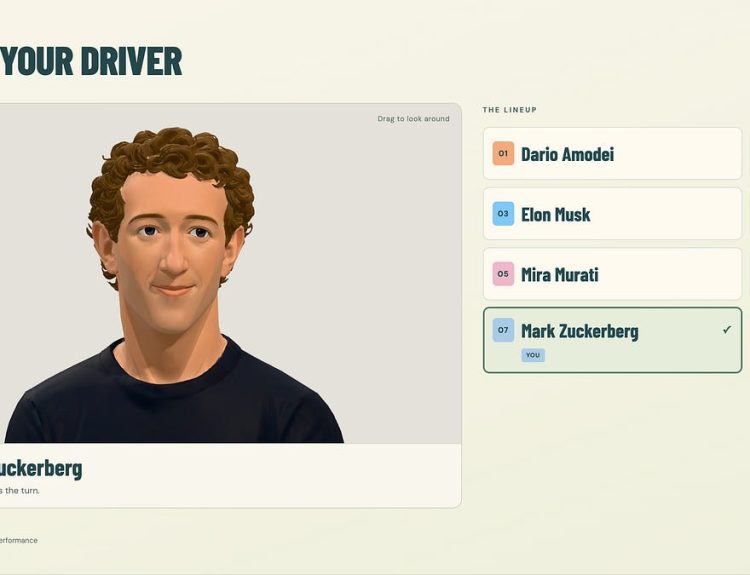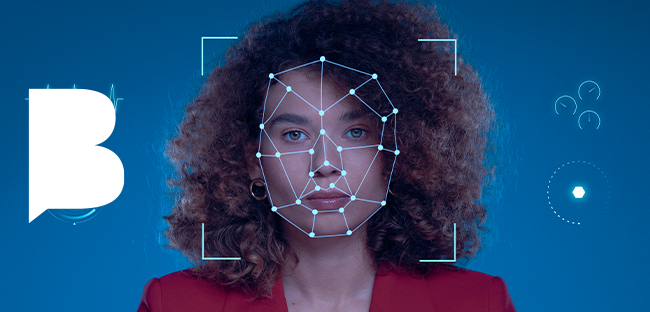
YouTube is enhancing its digital protections by introducing new tools designed to identify and eliminate deepfake content.
YouTube has announced the expansion of its likeness detection technology to the entertainment sector, making it accessible not just to content creators but also to talent agencies, management firms, and the individuals they represent.
This initiative is part of a larger strategy by YouTube to combat the increasing misuse of artificial intelligence to create misleading or unauthorized videos of public figures. By offering this tool to entertainment industry stakeholders, YouTube is underscoring that AI-driven impersonation is no longer a niche concern but a widespread issue involving identity and rights.
The technology functions similarly to Content ID, enabling eligible users to pinpoint videos that digitally replicate a person’s face or likeness. Once such deceptive content is identified, parties can request its removal via YouTube’s established privacy complaint process.
The implementation of this feature has been shaped with insights from prominent industry players, including Creative Artists Agency, United Talent Agency, William Morris Endeavor, and Untitled Management. These collaborations aim to help YouTube refine the system’s functionality and ensure that it meets the practical needs of artists and rights holders navigating the landscape of synthetic media.
Crucially, access to this tool isn’t restricted to those who actively manage YouTube channels. Celebrities and public figures can utilize it even without a direct creator profile on the platform, thereby expanding its application throughout the broader entertainment ecosystem.
The importance of this update is in how platforms are beginning to regard AI impersonation as an issue of governance rather than merely a matter of content moderation.
As synthetic media technologies become increasingly sophisticated and user-friendly, tech companies face mounting pressure to develop efficient and reliable methods for detecting misuse, safeguarding identity rights, and curtailing misleading content.
YouTube’s recent actions indicate a shift towards more structured, rights-focused approaches in their platform responses, especially in domains where a person’s likeness is intimately tied to their reputation, image, and financial value. The pressing question now is whether these tools will be effective enough to keep up with the rapid proliferation of AI-generated impersonations online.
Interested in diving deeper into AI, technology, and digital diplomacy? If yes, consult our Diplo chatbot!