Introduction
The emergence of AI tools in 2026 is significantly transforming the way individuals work, learn, create, and manage their daily lives. These advanced platforms can seamlessly process text, voice, images, and video in a single interface, making them far more versatile than their predecessors that served just one purpose. From writing assistance to scheduling and coding support, these tools have become integral to everyday routines.
The Growing Demand for AI Tools
As businesses and individuals increasingly seek quicker methods to accomplish tasks, the demand for high-quality AI applications continues to rise. Everyday AI tools now act like personal assistants for a range of activities, from fitness and language learning to travel planning and communication. As their adoption becomes more widespread, AI is evolving from optional software to essential components of modern productivity.
AI Tools 2026: Productivity and Work Transformation
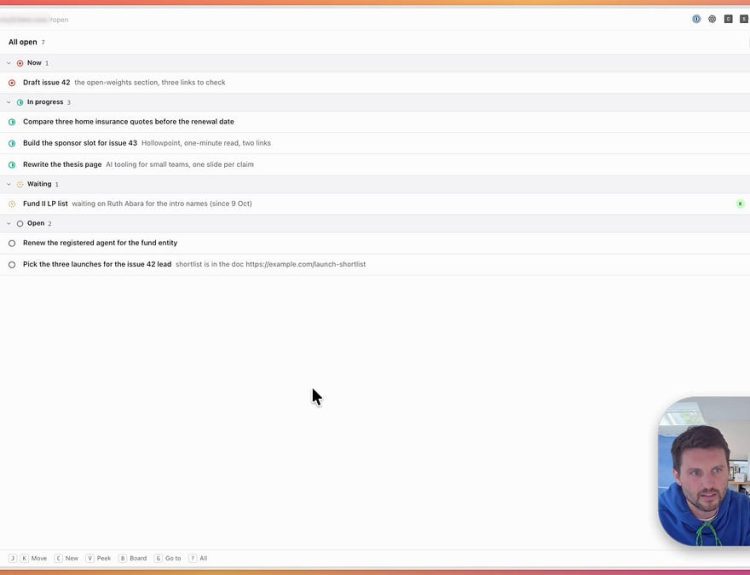
The most significant impact of AI tools in 2026 is likely to be seen in productivity. Many employees are now utilizing AI to summarize lengthy documents, organize emails, generate reports, and manage their calendars. This shift allows individuals to redirect their focus from repetitive tasks towards strategic planning and creative problem-solving.
Developers also benefit considerably from AI coding tools that aid in code completion. Platforms like Cursor and integrated coding assistants suggest functions, identify errors, and clarify unfamiliar code, thus accelerating development processes and minimizing time spent on debugging.
Another expanding area is AI support for meetings. Transcription apps can record discussions, recognize speakers, generate notes, and compile action items post-conversation. Teams utilize these tools to streamline processes and enhance accountability without the need for manual review of recordings.
Moreover, business software is evolving with AI-driven automation. CRM systems, spreadsheets, and workflow tools are becoming more responsive to natural language commands, allowing users to create dashboards and automate tasks without requiring advanced technical knowledge.
Best AI Apps: Creativity and Content Generation
The finest AI applications of 2026 are revolutionizing how content is created across various fields such as design, video production, music, and digital media. These tools enable both experts and novices to produce high-quality output more rapidly and with fewer technical hurdles. Their user-friendly interfaces and prompt-based controls make creative AI accessible to everyday users.
Best AI Apps for Design
- AI-powered design tools like Canva Magic Studio, Adobe Firefly, and Microsoft Designer have become indispensable for creators, marketers, and businesses.
Image Generation
- Image generators such as Midjourney, DALL·E, Adobe Firefly, and Leonardo AI can swiftly produce refined artwork, conceptual designs, product mockups, and social media visuals.
Faster Creative Testing
- Users can rapidly explore various ideas, styles, and layouts without starting from scratch, thanks to tools like Canva Magic Design and Midjourney.
Video Creation Growth
The AI video tool sector is one of the fastest-growing areas in creative technology.
- Text-to-video platforms like Runway, Pika, Synthesia, and Luma AI can automatically generate short video scenes from written prompts.
- AI tools can also animate still images, trim clips, enhance footage, and simplify editing tasks through applications like CapCut AI, Runway, and Adobe Premiere Pro AI tools.
Content Efficiency
Brands, educators, and independent creators utilize these tools to produce content more efficiently.
Music Generation
AI tools such as Suno, Udio, Soundraw, and AIVA can compose instrumentals, beats, and complete background tracks.
Voice Creation
AI voice tools like ElevenLabs, Murf, Speechify, and PlayHT can generate voiceovers in multiple languages, enhancing podcasts, videos, and presentations.
Useful for Media Projects
These tools support the creation of audiobooks, training content, advertisements, and social media materials.
Easy for Everyday Users
Many creativity apps now employ simple prompts instead of complex editing controls, including Canva Magic Studio, Adobe Firefly, and Runway.
Everyday AI Tools: Personal Assistance and Lifestyle
The proliferation of everyday AI tools has made personal tasks more manageable, faster, and convenient beyond the workplace. These applications help users remain organized, enhance health habits, acquire new skills, and communicate more effectively. Voice commands and customized recommendations make AI integration feel more organic in daily routines.
Everyday AI Tools for Personal Use
- AI applications designed for home life and personal convenience are flourishing, moving away from solely focusing on business productivity.
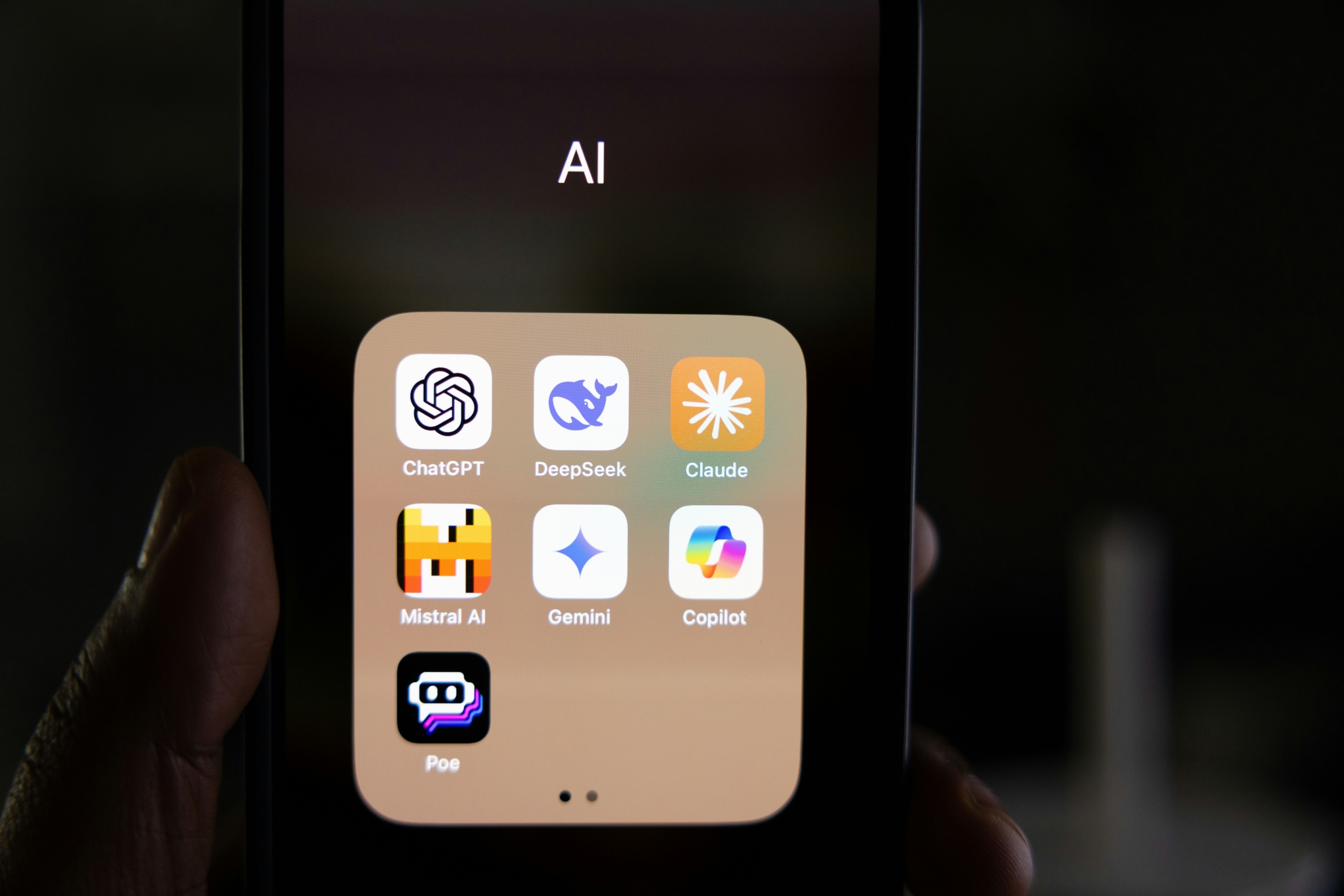
- Smart Assistants: Tools such as ChatGPT, Google Gemini, Siri, Alexa, and Microsoft Copilot assist with reminders, answer queries, and organize daily responsibilities.
- Travel Planning Help: Apps like Google Maps with AI features, Hopper, Expedia AI, and Kayak AI assist in trip planning, price comparisons, and itinerary suggestions.
- Shopping Organization: AI assistants such as Amazon Rufus, Instacart AI, and Klarna AI provide product recommendations and help organize shopping lists.
- Voice Interaction Growth: Voice-enabled tools enhance usability in everyday tasks while multitasking.
Health and Wellness Support
AI wellness applications are increasingly utilized for fitness, sleep, and recovery management.
- AI Fitness Coaches: Platforms like WHOOP Coach, Fitbit AI, Garmin Connect AI, and Freeletics analyze workouts and suggest training modifications.
- Recovery and Sleep Guidance: Some apps offer advice on rest days, recovery timings, and habit improvements based on sleep and activity data.
- Mental Wellness Tools: Apps such as Calm AI, Headspace, Wysa, and Youper provide personalized meditation, mood support, and stress management.
Personalized Learning Assistants
AI is enhancing education by customizing lessons according to each learner’s level and pace.
- Language Learning Apps: Tools like Duolingo Max, Babbel AI, Memrise, and Speak simulate conversations and offer pronunciation feedback.
- Student AI Tutors: Platforms such as Khanmigo, Quizlet Q-Chat, Grammarly, and Socratic assist with math, writing, homework, and study organization.
- Real-Time Voice Translation: Translation tools like Google Translate Conversation Mode, Microsoft Translator, iTranslate, and Timekettle earbuds facilitate communication across language barriers.
Master Everyday AI Tools for 2026 Work and Life Integration
The future of AI tools in 2026 is not solely about advanced technology; it is also about their real-world applicability. The tools gaining momentum are those that save time, reduce stress, and integrate seamlessly into routines. Trustworthiness and simplicity will be as crucial as functionality. For professionals, AI can optimize writing, coding, research, and meetings. For personal use, everyday AI tools enhance learning, health, travel, and communication.
This equilibrium between productivity and convenience is fostering broader adoption. As competition increases, the most effective AI apps will continue to enhance speed, accuracy, and personalization. Users who skillfully integrate these tools into their lives are likely to gain a distinct advantage both professionally and personally.
Frequently Asked Questions
1. What are the most useful AI tools for productivity in 2026?
Popular productivity tools include writing assistants, scheduling applications, transcription platforms, and coding copilots. Many users rely on AI for summarization and email composition, while developers gain from intelligent coding support. The best option will depend on your specific workflow.
2. Which AI apps are best for enhancing creativity?
Leading creative AI applications encompass image generators, video editors, voice tools, and music creators. These enable faster content production and brainstorming, with many being beginner-friendly and equipped with prompt-based controls. Professionals also leverage them for rapid prototyping.
3. How are everyday AI tools employed at home?
People utilize AI for reminders, meal planning, language learning, and wellness coaching. Some assistants manage smart home devices, while others offer travel assistance or shopping suggestions. Voice control streamlines access to these tools.
4. Is AI for work replacing jobs?
AI is more about transforming tasks than replacing jobs entirely. Repetitive work is typically automated first, leading to shifts toward roles focused on supervision, strategy, and creativity. Mastering AI can enhance career prospects.
Conclusion
The growing landscape of AI tools in 2026 signifies a remarkable shift in how we approach work and daily activities. As these tools become increasingly integrated into our lives, they offer not only enhanced productivity but also foster creativity and improve personal well-being. Embracing AI technology will undoubtedly provide individuals with valuable advantages in both professional and personal realms.