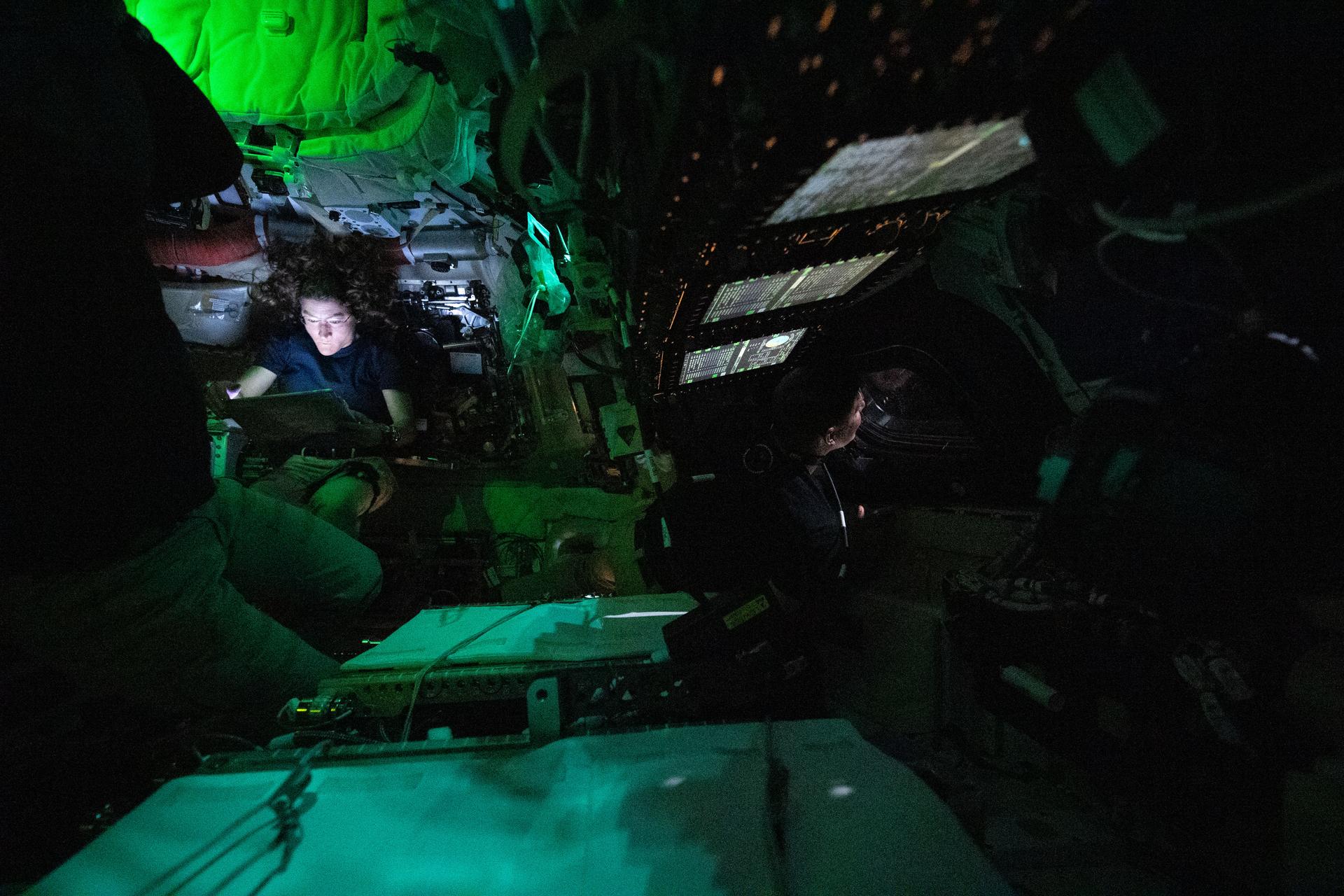
In recent years, even astronauts have faced the same technology frustrations that many of us experience daily. When astronaut Christina Koch, the first woman to orbit the moon, reported a common Bluetooth issue from space, it resonated with Americans everywhere. Her complaint was simple: “No joy seeing the device in the list of available devices when I attempt to re-pair it after doing the Bluetooth forget.”
Similarly, Commander Reid Wiseman, currently on the Artemis II mission, encountered a dilemma most office workers can relate to: “I have two Microsoft Outlooks, and neither one of those are working.” These incidents highlight that even in the vastness of space, familiar technological frustrations persist.
Social media users found humor and relatability in these quotes, leading to their viral spread in April 2026. Underneath the laughter lies an often-overlooked truth: increased wealth leads to the ownership of more possessions. While possessing more can improve our lives, it also brings complications—more items can break, require updates, and necessitate troubleshooting, as well as a growing number of passwords to manage. Even advanced space equipment can run into the same glitches we face on Earth, revealing a shared experience of frustration.
Additionally, the Artemis program has had its fair share of issues, including a malfunctioning toilet. As we continue to adopt cutting-edge technology, we still grapple with age-old problems: leaky pipes, dead batteries, and now, Wi-Fi dead zones, incompatible Bluetooth drivers, and inaccessible cloud storage due to phone number changes.
The Intersection of Wealth and Happiness
This reality leads to a critical question: does increased wealth genuinely enhance our happiness?
This topic has long been a point of debate among readers of EconLog. Arnold Kling initiated the discussion back in 2003, suggesting that higher incomes typically correlate with greater happiness—after all, why would people strive for more if it didn’t bring joy? David Henderson further complicated the conversation by expressing doubts about international happiness surveys.
Scott Sumner, in a review of Tyler Cowen’s book on economic growth, acknowledged that while wealth is generally associated with improved wellbeing, the connection exists through various indirect factors—such as better health care, cleaner environments, reduced violence, and enhanced human rights. He argued for an economic growth approach as a policy default, even amidst uncertainties about its impact on happiness.
More recently, Bryan Caplan adopted a distinct stance, categorizing himself as an economic optimist but happiness pessimist. He observes robust economic growth but finds that income levels have little effect on overall happiness. Caplan concludes that while we are materially better off, subjective wellbeing does not necessarily reflect that improvement.
I maintain that progress is beneficial and that the pursuit of higher incomes is justified. However, the astronauts’ technology-related complaints highlight the cognitive burden that accompanies our material wealth, clarifying why happiness enhancements may not be as pronounced as one might expect.
Consider how the complexities of modern living are distributed within a typical household. Parents must navigate the labyrinth of subscription services and manage multiple accounts. Fathers who once simply changed the oil or fixed a leaky faucet now often take on the role of an IT specialist, resolving family password issues and troubleshooting smart devices. Meanwhile, children can find themselves unable to access schoolwork simply due to forgotten passwords.
This isn’t merely a “skills problem,” as evidenced by the astronauts’ examples. It’s a systemic issue. NASA astronauts have dedicated engineers on deck to address tech challenges, whereas most people rely on online tutorials to troubleshoot their devices.
Our gadgets connect and entertain, and I continue to appreciate syncing my phone with my car stereo and exploring the vast Apple Music library. But do we truly experience greater happiness with our accumulated possessions? Overall, I believe we are indeed better off; however, echoing The Notorious B.I.G., it’s undeniable that “more money, more problems.”
Featured image, “Illuminated in Orion” from NASA.