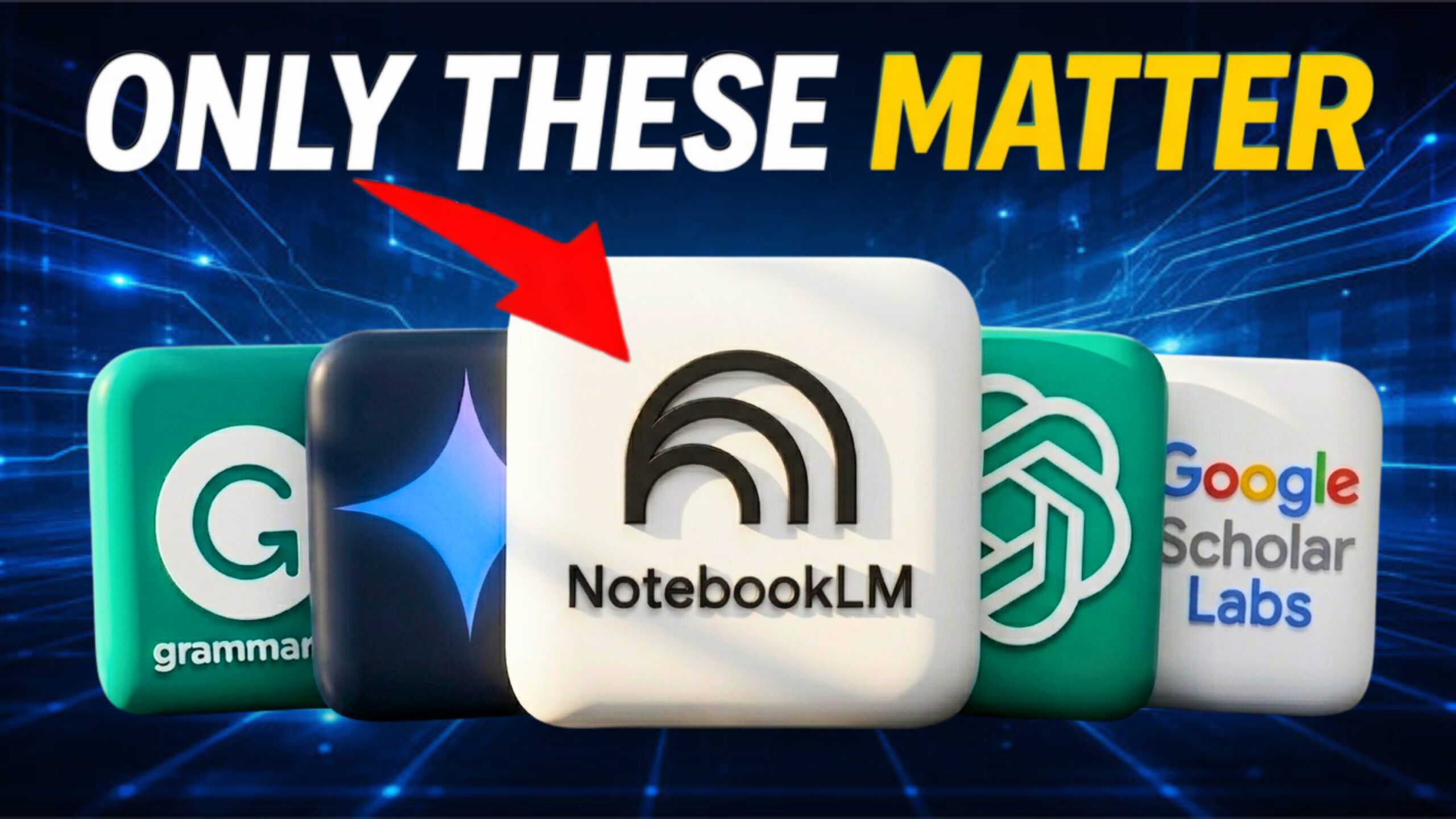
In the fast-evolving landscape of research, workflows have seen a remarkable shift. Scholars often find themselves buried under a mountain of literature, and with the academic publishing world growing more competitive, the right AI tools can mean the difference between valuable discoveries and repetitive tasks. Here, we present a selection of free and efficient tools designed to enhance your research experience, turning it into an almost enchanting process. If you’ve ever struggled with literature reviews, manuscript drafts, or creating figures, it’s time to introduce you to your new academic companions.
1. Google NotebookLM
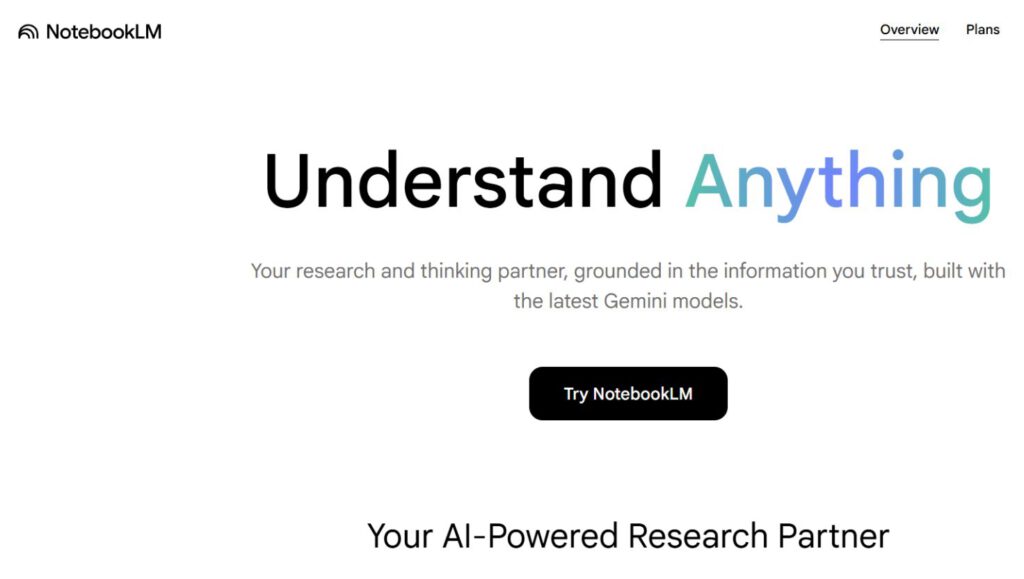
Your new research command center designed to handle information overload.
Google’s Notebook Language Model (NotebookLM) tackles the challenges of literature management with ease. You can upload multiple PDFs and query them all at once, making it your central research hub—no more frantic late-night sessions or piles of Post-it notes to manage.
This synthesis tool creates mind maps to help you untangle complicated information. Additionally, it produces video summaries and custom podcasts, ideal for transforming idle moments into productive learning. One researcher successfully explored potential causes of autism using this tool. Enjoy this free resource while it lasts—consider it an academic cheat code before the higher-ups catch on.
2. ChatGPT
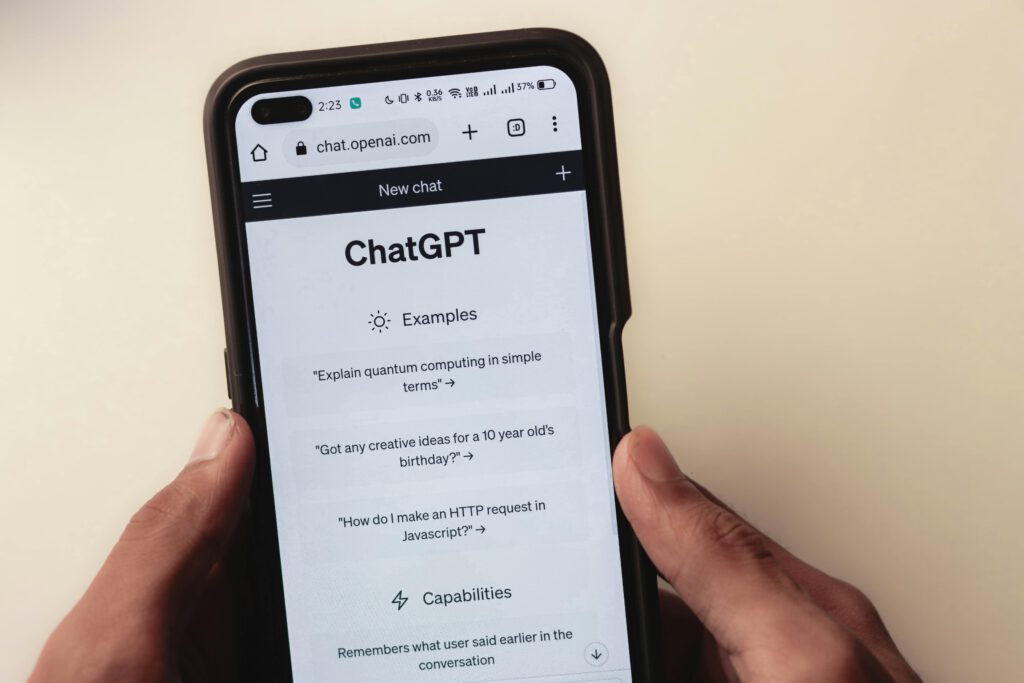
Your ever-reliable digital peer reviewer.
OpenAI’s ChatGPT can robustly strengthen your manuscripts. The free version (GPT-4o mini, as of 2026) is sufficient for most research purposes. Utilize “Projects” for maintaining coherence across papers, integrating PDFs seamlessly to keep your work organized like a color-coded filing system.
Use context-free prompts to simulate peer reviews—think of it as an incognito mode for bots, offering unbiased feedback. It acts as a digital mirror, reflecting both the strengths and weaknesses of your work. While it’s not a substitute for a real editor, it comes impressively close. Challenge your drafts and ideas rather than expecting it to simply agree with everything you say.
3. Google Scholar Labs

The academic search engine that comprehends research queries accurately.
Academic search engines function like digital libraries, but instead of relying on Dewey Decimals, they utilize algorithms that seemingly “read your mind.” Google Scholar Labs provides an AI-optimized version of traditional Scholar search, refining results based on your precise research inquiry. This enhancement leads to more relevant papers and even explains why they matter.
For example, when comparing search results for “social capital diabetes” between Google Scholar and the Labs variant, the difference is immediately noticeable. The Labs option pulls from a slightly narrower database, but its specificity can prevent you from drowning in irrelevant information.
4. Grammarly
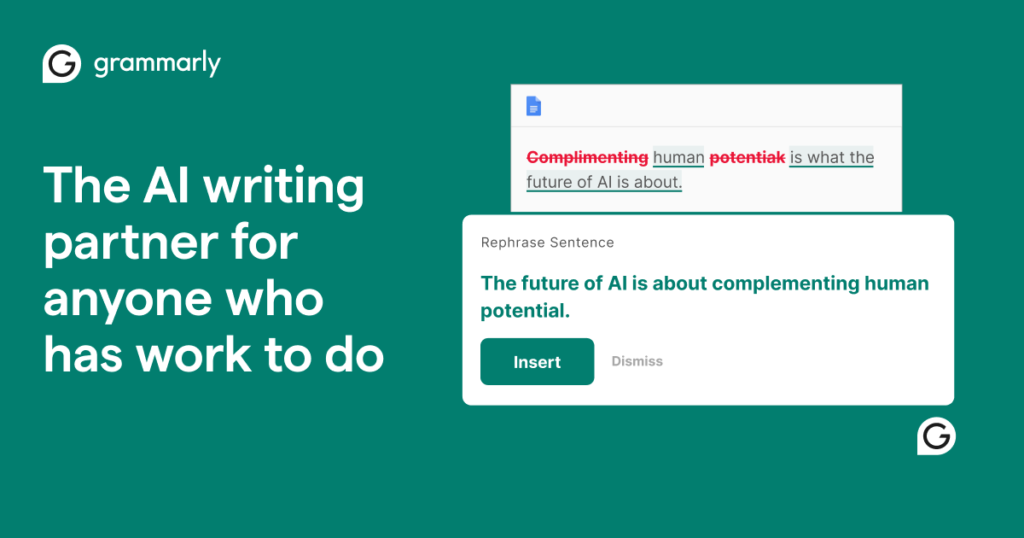
Your safeguard against embarrassing manuscript rejections.
An AI-driven writing assistant, such as Grammarly, is essential for catching grammar errors and enhancing style—no slip-ups are permissible in the competitive arena of academic publishing. This tool integrates with Microsoft Word, eliminating the need to switch between different applications. Anyone who has collaborated with co-authors understands the chaos that can ensue: tracked changes add a layer of confusion, often making your document look like a ransom note.
The free version addresses most common errors, while the premium version offers AI-driven features for ethical paraphrasing. Consider it an invaluable second opinion before your manuscript is submitted for review. Given the cutthroat nature of academic publishing, using Grammarly is like securing inexpensive insurance against desk rejections.
5. Google’s Gemini Nano
Transforms rough sketches into publication-quality visuals without needing a graphics team.
Creating high-quality figures suitable for publication shouldn’t necessitate a degree in graphic design. That’s where Google’s Gemini Nano comes in as your visual assistant. This lightweight AI model converts simple sketches into polished images, similar to the highlights seen in neurological studies. No more relying on the graphics department for last-minute favors.
Start with a rough sketch in your notebook, and Gemini Nano will generate something ready for publication. Existing figures can also be rejuvenated. However, be aware that while it can be impressive, the reproducing process may sometimes yield unpredictable results, requiring you to refine edits. Use caution for precise text, as it’s crucial that your visuals accurately reflect your data narrative.
As research tools continue to evolve, leveraging these innovative resources can drastically improve your efficiency and effectiveness. By integrating these AI-driven tools into your academic workflow, you’ll not only streamline your processes but also enhance the quality of your research output. Embrace these allies in your scholarly journey, and watch your productivity soar.