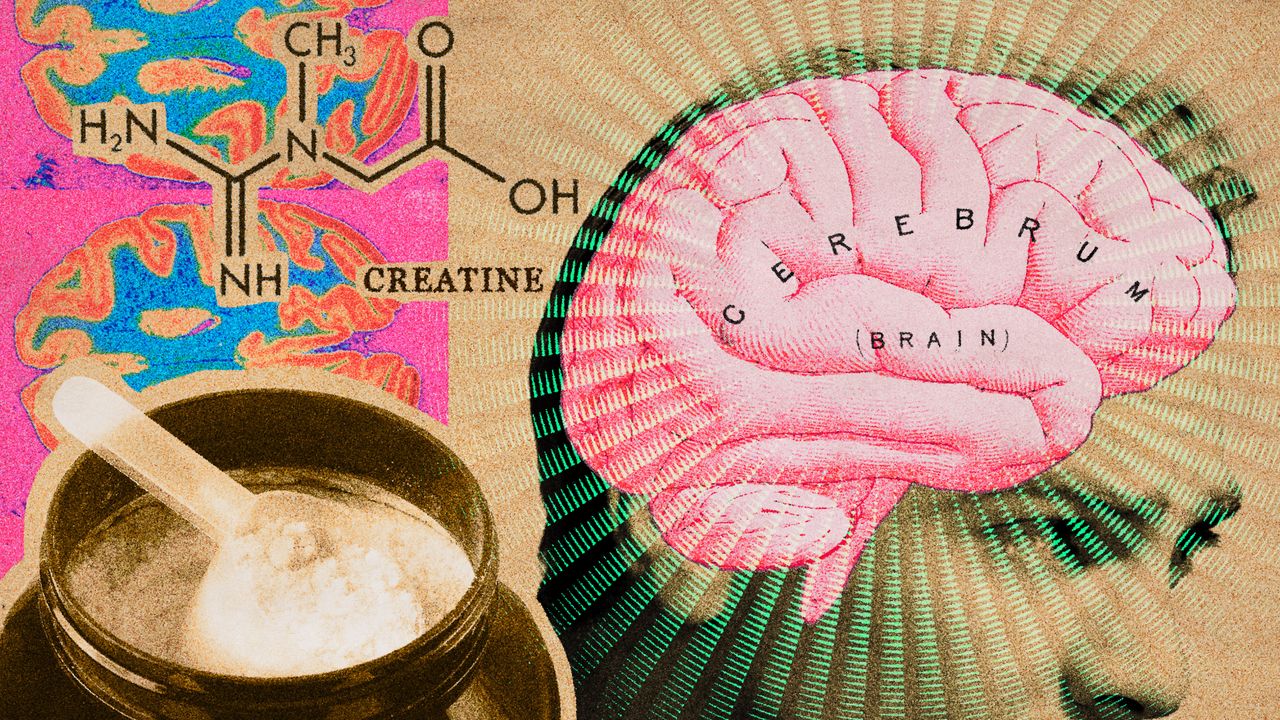
Creatine is gaining attention not only for its benefits in physical fitness but also for its potential cognitive enhancements. As highlighted by Dr. Zishan Khan, a board-certified psychiatrist with Mindpath Health, the brain maintains tightly regulated creatine levels. It is noted that these levels may only increase modestly through supplementation, particularly in scenarios where the brain is energy-deprived or when dietary creatine intake is insufficient. Thus, conditions such as sleep deprivation or high stress can significantly affect outcomes.
Despite some inconsistency in its effects on overall executive functions in healthy, rested adults, creatine is becoming a topic of interest on social media. It is touted for its potential to alleviate issues stemming from sleep deprivation, even claiming to counteract up to 21 hours of lost sleep.
“That particular example regarding 21-hour sleep deprivation is backed by research,” states Dr. Luke Barr, a neurologist and director at Deaconess Health System. He references peer-reviewed studies, such as a 2024 trial published in the journal Nature, which demonstrates creatine’s efficacy in reducing the adverse effects of fatigue, stress, and cognitive disturbances.
“The most notable improvements have been seen in processing speed and working memory when cognitive stress is present,” claims Dr. Barr, pointing to a meta-analysis from 2018 published in Experimental Gerontology that indicated significant enhancements in short-term memory and reasoning skills. He also mentions a 2024 study review from Guizhou Normal University, which revealed consistent improvements in focus and processing speed. “All these studies contribute to establishing creatine as a nootropic in situations of cognitive stress,” he emphasizes.
Moreover, continual research is uncovering new advantages related to brain health. A recent 2023 review published in Sports Medicine identified creatine’s potential to alleviate symptoms of depression, anxiety, and even the impacts of traumatic brain injuries like concussions.
What is the appropriate dosage of creatine to experience its cognitive benefits?
The well-established daily dose of five grams is recognized for enhancing muscle strength and size. However, the optimal amount of creatine needed to harness its cognitive advantages remains uncertain and is likely much higher. As Dr. Leigh Erin Connealy, medical director at the Center for New Medicine, mentions, “Creatine must pass through the blood-brain barrier, which is a tougher challenge than reaching skeletal muscle.”
Experts have suggested dosages ranging from 10 to 25 grams per day, based on clinical trials that have demonstrated substantial cognitive benefits. They also recommend splitting servings into smaller portions throughout the day, which, according to Dr. Connealy, can facilitate creatine transport into brain tissue.
It is essential to note that the experts consulted advise against maintaining these elevated doses for longer than four to eight weeks. They suggest that high creatine intake should only be considered during periods of heightened stress or when sleep is limited.


