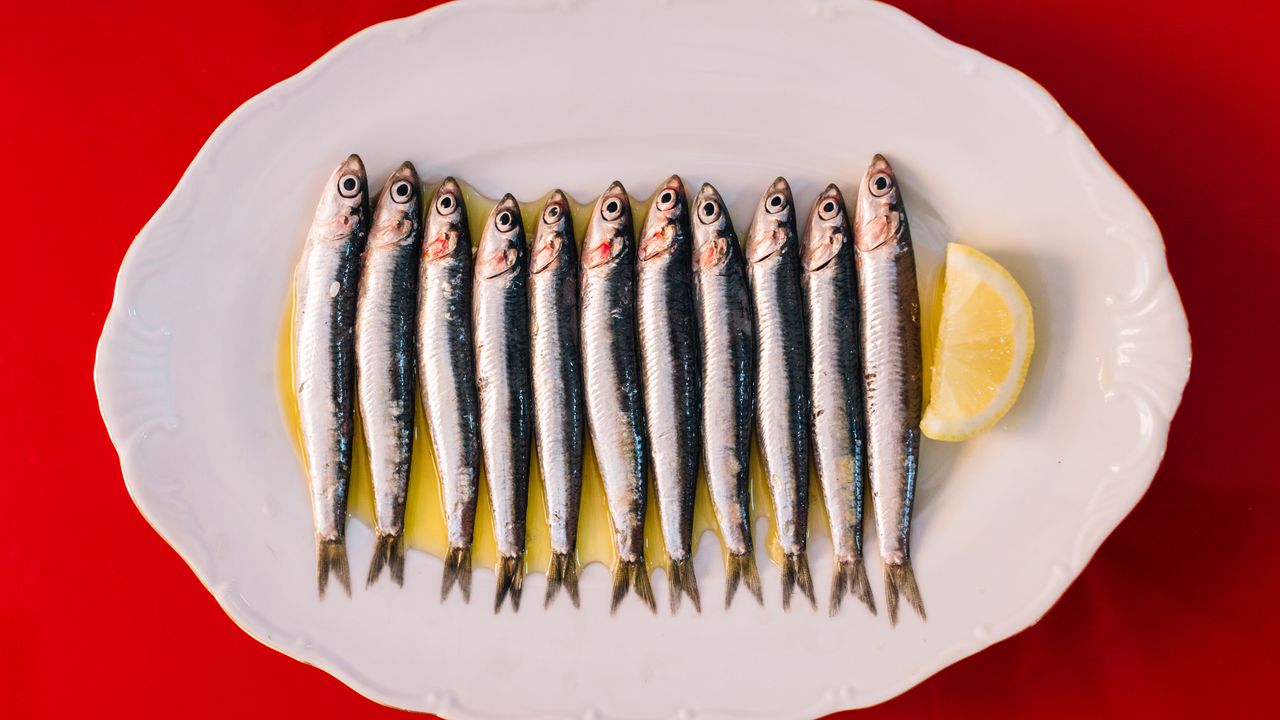
Recently, sardines have garnered significant attention. Packed into vibrant tins that display whimsical fish illustrations, this nutritious food has emerged as a staple for those seeking healthy meal options. This surge in popularity is not without reason: sardines belong to a group known as SMASH, which also includes mackerel, anchovies, salmon, and herring.
These fish are abundant in omega-3 fatty acids, which provide numerous health benefits, such as reducing inflammation, enhancing heart health, regulating blood pressure, and promoting optimal brain function. Thanks to their anti-inflammatory effects, sardines can improve skin health by bolstering the skin barrier and minimizing moisture loss.
Nutritionist Kirsten Humphreys from the UK brand Bare Biology emphasizes that sardines are highly nutrient-dense. “They offer excellent protein and, since you usually consume the small bones, they are also a rich source of calcium,” she notes. With added benefits of vitamin D and selenium, sardines truly form a well-rounded nutritional powerhouse.
But what if you’re not a fan? Thankfully, according to Humphreys, there are several alternative foods that provide similar nutritional benefits for those who shy away from sardines. Below, we explore these alternatives for those who might cringe at the idea of sardines.
Oily Fish
If sardines aren’t to your liking, you might still enjoy other oily fish such as mackerel, salmon, anchovies, or herring. These varieties are rich in omega-3 fatty acids, which, as Humphreys explains, are beneficial for maintaining a healthy inflammatory balance and overall skin health.
Brazil Nuts
Did you know that just one to three Brazil nuts can fulfill your daily selenium requirements? Selenium is a powerful antioxidant that supports the healthy functioning of your thyroid, immune system, and cognitive processes. Its antioxidant properties are also beneficial for the skin. “Antioxidants shield cells from oxidative stress that can impact skin health,” Humphreys explains.
Oxidative stress arises from an imbalance between harmful free radicals and protective free radicals in the body. Excessive oxidative stress can lead to long-term cellular damage, affecting the skin’s appearance and functionality. Consuming antioxidant-rich foods helps restore this balance, offering your body and skin greater protection against free radical damage.
Eggs
Eggs are not just a great source of protein and micronutrients; they also contain vitamin D, which is essential for supporting skin health and reducing inflammation.
Oysters
According to Humphreys, “Oysters are packed with zinc, a mineral vital for skin health and repair, wound healing, and boosting immunity.”
Extra Virgin Olive Oil
If you’ve noticed people taking shots of olive oil as part of their wellness routine, it’s worth noting its significant benefits for skin health as well. Humphreys points out that “it is rich in monounsaturated fats, which promote metabolic health and help maintain stable blood sugar levels.” Balanced blood sugar can influence skin function, as spikes and crashes can contribute to acne in some individuals.
Additionally, extra virgin olive oil also contains vitamin E, an antioxidant that can further protect the skin and support its overall health. However, she warns against excessive consumption of large amounts of olive oil, suggesting it’s best used in moderation in cooking.
Do you have a beauty or wellness trend that piques your curiosity? We’d love to hear about it! Reach out to Vogue’s senior beauty & wellness editor via email at beauty@vogue.com.


