
Credit: Grandbrothers / Getty Images
Key Points
-
The color of a banana indicates its ripeness and nutrient content: green bananas are firmer and rich in resistant starch, while yellow and brown varieties are softer and sweeter as starch converts to sugar.
-
Less ripe bananas may promote better gut health and blood sugar management, while their riper counterparts provide quick energy and are easier to digest.
-
There is no definitive “best” stage to eat—a choice between green, yellow, or brown depends on personal taste and health objectives, with each state offering essential nutrients.
Bananas are one of the most cost-effective and delightful fruits available at grocery stores, packed with nutrients. These tropical fruits are rich in potassium, phosphorus, magnesium, vitamin C, vitamin B6, and various beneficial plant compounds that collectively bolster heart, immune, bone, and metabolic health.
For those who frequently purchase bananas, the challenge of ripeness is all too familiar. You may find yourself either waiting patiently for green bananas to ripen or continually making banana bread with the plethora of brown bananas that accumulate.
So, what does the color of your banana signify regarding its nutrition and health benefits? We consulted with two registered dietitians and a food scientist to provide insight into this topic!
Meet Our Expert
The Three Stages of Ripeness in Bananas
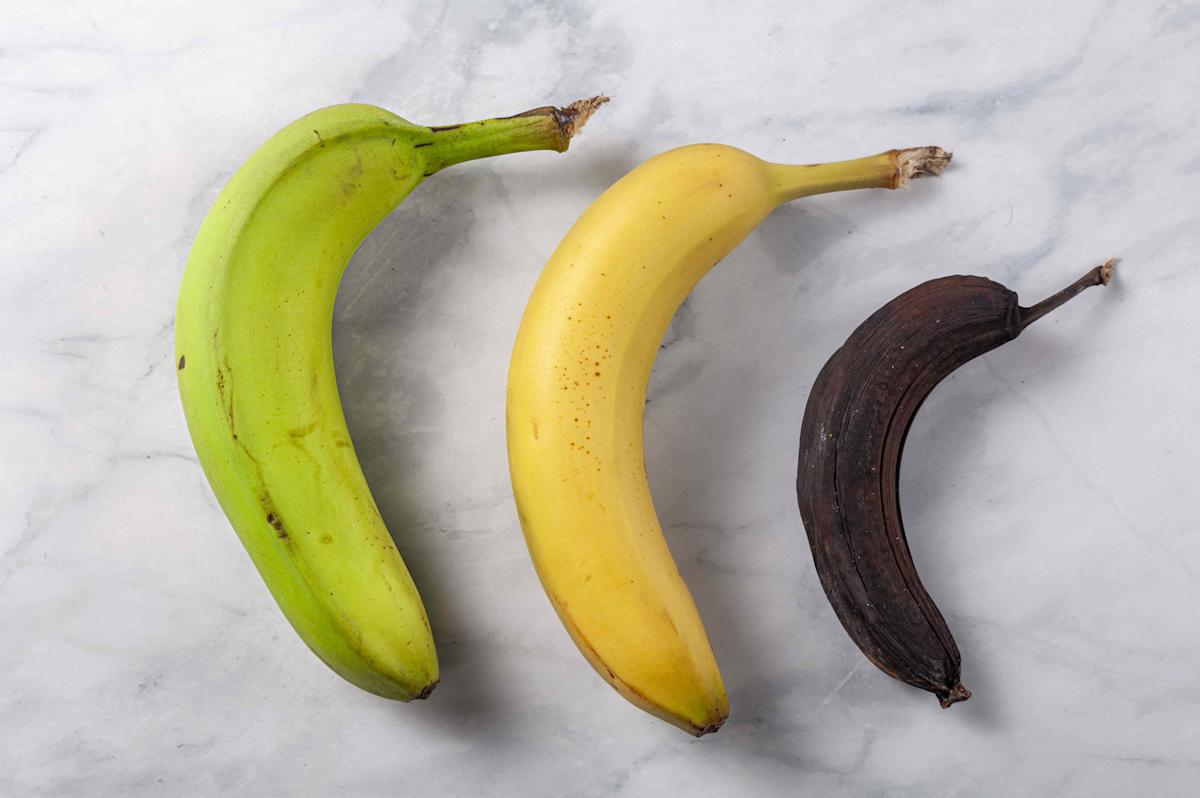
While there are actually seven stages of banana ripeness, we will explore the three main and most recognizable phases:
-
Green or Underripe Stage: The first stage is, predictably, the green stage. “In this phase, the peel remains green due to chlorophyll, and the banana consists mostly of starch with minimal sugar content. The firm texture comes from these starch molecules,” explains food scientist Abbey Thiel, PhD. Although the taste may not be great, green bananas have notable health benefits. “A 2021 study revealed that fiber is higher in green bananas, decreasing as they ripen, while sugar content rises. Green bananas also contain more resistant starch, which promotes gut microbiome health and managing blood sugar,” says nutritionist Melissa Jaeger, RD, LD.
-
Yellow or Ripe Stage: The yellow stage is what most people envision when thinking of bananas—an attractive, blemish-free yellow exterior. “During this phase, enzymes start breaking down chlorophyll, and starch transitions into smaller sugar molecules. This not only enhances sweetness but also softens the texture as starch reduces into glucose, fructose, and sucrose,” explains Thiel. This carbohydrate transformation can lead to a more significant blood sugar impact, but yellow bananas still retain valuable nutrition. “They are excellent sources of fiber, potassium, vitamin B6, and vitamin C,” adds Wan Na Chun, MPH, RD, CPT, CDCES.
-
Brown and Spotted or Overripe Stage: Finally, we arrive at the overripe stage, characterized by brown spots and eventual blackening if not consumed. “At this point, most starch has transformed into sugar, rendering the banana very soft and incredibly sweet,” explains Thiel. These changes indicate a slight alteration in nutritional profile. “Overripe bananas are low in resistant starch, making them particularly delicious for baking,” Chun adds. The increased sweetness can cause more significant blood sugar spikes compared to greener bananas or even regular ripe ones.
The Best Time to Eat a Banana
With this understanding, when is the optimal stage for enjoying bananas? Our experts suggest that it varies based on individual health objectives.
“For a lower glycemic impact, opt for slightly green bananas that retain more starch. If you seek quick energy, go for ripe or very ripe bananas, which are easier to digest. Conversely, if you desire gut health benefits, green bananas rich in resistant starch are ideal,” shares Thiel.
Chun concurs, stating, “For a nutritious and easily digestible carb, a ripe or slightly speckled banana offers fiber, potassium, vitamin B6, and vitamin C, making it appealing to most.”
Jaeger emphasizes the importance of noting that green bananas may have a firmer texture and could be tougher on sensitive stomachs. If increasing fiber intake with green bananas, it is essential to stay hydrated by drinking plenty of water during the day. Regardless of their ripeness, all bananas provide essential vitamins and minerals such as potassium, phosphorus, magnesium, and folate.
To minimize potential blood sugar fluctuations caused by riper bananas, Jaeger recommends pairing them with a protein source such as Greek yogurt, cottage cheese, or nut butter for sustained energy. Including healthy fats or other fiber-rich foods can help maintain stable energy levels and regulate blood sugar.
Bananas are also versatile and can be enjoyed in smoothies, baked goods, yogurt bowls, and oatmeal, or simply as a convenient snack, thanks to their protective peel.
If you favor ripe or overripe bananas and want to speed up the ripening process, try placing them in a brown paper bag. “Bananas release a natural plant hormone called ethylene gas, which accelerates ripening. Keeping bananas next to other fruit or in a bag speeds up this process, as the gas promotes quicker maturation,” notes Thiel.
For further reading, check out the original article on Real Simple.


