Revolutionizing Your Strength Training: Why More Reps Aren’t Enough
With an overwhelming number of fitness programs, methods, and recommendations out there, sifting through what’s truly effective for building strength can be confusing. While experts have reached a consensus on certain core principles, relying solely on increasing rep counts is not the most effective approach. Let’s delve into practical strategies to elevate your strength training routine, ensuring you achieve real results.
Understanding Repetition: Endurance vs. Strength
Exercise physiologist Dr. Stacy Sims emphasizes a crucial distinction: performing more repetitions enhances endurance, not strength. Strength training relies heavily on your central nervous system and its ability to activate different muscle fibers. As Dr. Sims puts it, “The force a muscle produces hinges on two factors: the strength of the muscle contraction and how many fibers are being brought into play.”
For example, if you progress from completing 10 push-ups to 50, your body isn’t necessarily getting stronger. Instead, it’s merely recruiting more muscle fibers for that specific task. This increase in muscular endurance allows you to perform repeated actions over an extended time, but it doesn’t automatically translate to greater strength.

The Importance of Load in Building Strength
To facilitate stronger contractions, increasing the load is paramount. Dr. Sims emphasizes that we need our muscle proteins, myosin and actin, to grip each other more firmly, creating tighter contractions that are vital for generating strength and power, unlike the lighter contractions associated with muscular endurance.
Instead of simply increasing bodyweight repetitions, aim for structured goals—for instance, try to achieve 10 push-ups while adding a weight vest. Doing so recruits more muscle fibers, bridging the gap between strength and endurance. This concept is a fundamental component of progressive overload, which is essential for muscle growth.
Why Strength Training Gains Importance with Age
As we age, the need to build strength becomes even more critical. We start losing fast-twitch muscle fibers—responsible for explosive power—particularly when there’s a decline in hormones such as estrogen in women. Dr. Sims encourages lifting heavier weights than you might currently believe possible and integrating explosive movements, such as jumping, into your workout.
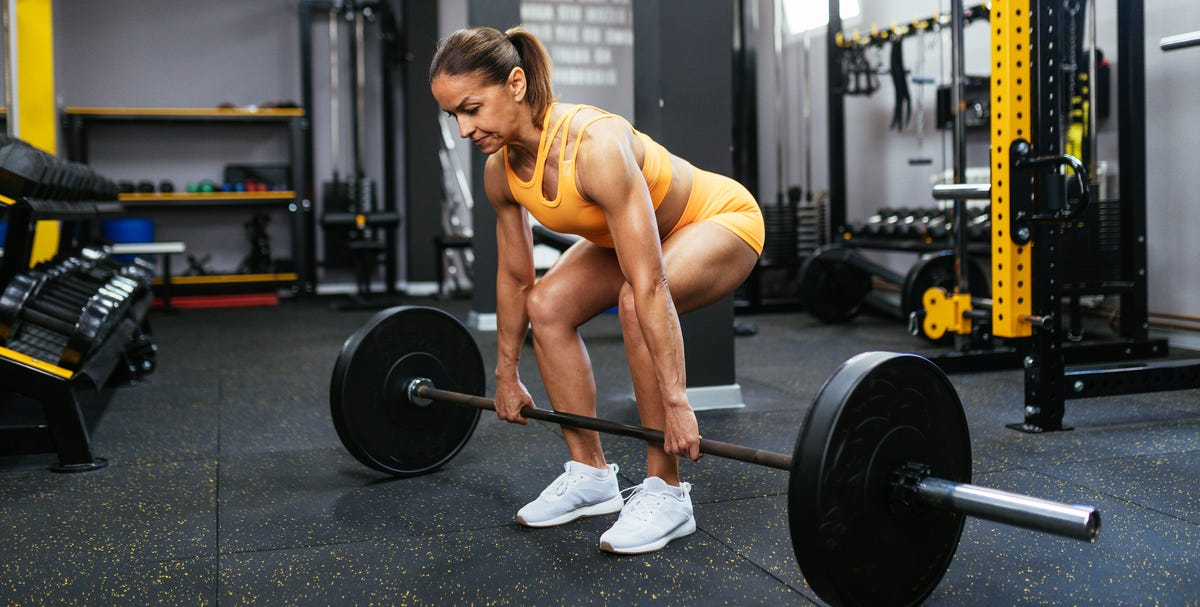
To illustrate, she shares a success story of a 60-year-old client who progressed remarkably from lifting 6 kg to successfully deadlifting 35 kg using a hex bar—all while maintaining proper form.
Embarking on your fitness journey doesn’t have to feel daunting. Understanding how to align your training methods with your strength goals will pave the way for better results. Whether you’re just starting or looking to refine your approach, focusing on heavier weights combined with fewer reps can lead to significant gains. Building strength not only enhances physical performance but also contributes to overall well-being, especially as we age.
Incorporate these insights into your routine, and remember, consistency is key. Every small step counts towards unlocking your full potential. Happy training!