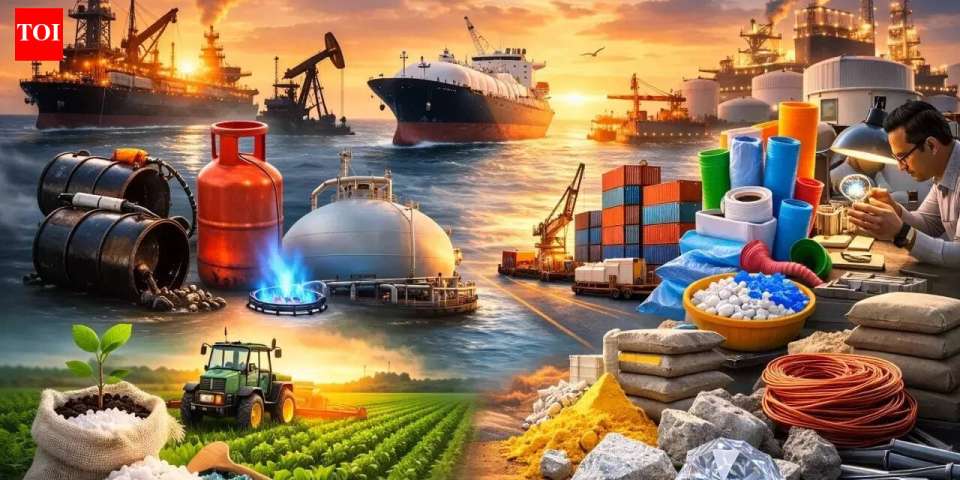
Beyond Oil & Gas: The Broader Impact of Middle East Conflict on India
The Middle East has long been a region of geopolitical tension, and its conflicts have far-reaching effects that extend beyond its own borders. In particular, India’s relationship with the Middle East is multifaceted, influencing various sectors, from precious metals to essential agricultural inputs. Understanding these impacts is crucial for grasping the nuances of India’s economic and diplomatic landscape.
Economic Implications
Indian businesses and consumers feel the repercussions of conflicts in the Middle East in several ways:
- Gold and Diamonds: The Middle East is a significant hub for gold and diamond trade. Instability in this region can disrupt supply chains, leading to fluctuations in prices that affect the Indian market where gold is a preferred investment.
- Fertilizers: India heavily relies on imports of fertilizers from the Middle East, which is known for its production of potash and phosphates. Any conflict that affects production can lead to increased prices and availability issues in India.
- Aerospace and Defense: India has been expanding its defense and aerospace collaborations with various Middle Eastern countries. Conflicts can either bolster demand for armaments or disrupt ongoing projects and partnerships.
Social and Cultural Factors
Beyond economics, the conflict in the Middle East also influences social dynamics in India:
- Migration Patterns: Many Indians work in the Gulf countries. Unrest can lead to job insecurity and impact remittances that are vital for many Indian families.
- Interfaith Relations: The perception of conflicts in the Middle East can affect communal harmony in India, influencing how different religious groups interact and perceive each other.
Strategic Responses
In response to these challenges, India is adopting various strategies to mitigate risks:
- Diversification: India is exploring deeper trade relationships with alternative markets to reduce reliance on volatile regions.
- Diplomatic Engagement: Strengthening diplomatic ties and participating in international forums allows India to take an active role in addressing conflicts and their fallout.
Conclusion
As the Middle East continues to grapple with conflict, its implications for India extend into various sectors and dimensions of life. From the influence on essential commodities to the shaping of social relationships, the effects are profound and require careful navigation. By adopting strategies to diversify its economic relationships and enhancing diplomatic ties, India can better position itself to face the challenges that arise from geopolitical instability in the Middle East.