OpenAI has recently entered into a significant partnership with Amazon Web Services (AWS) to broaden the availability of its artificial intelligence solutions within U.S. government agencies.
This agreement facilitates access to OpenAI’s models for both classified and unclassified applications through the AWS infrastructure.
The Information was the first to report on this development.
Amazon Web Services has confirmed this collaboration, marking an important milestone for OpenAI in its endeavors to deploy its technologies within federal systems.
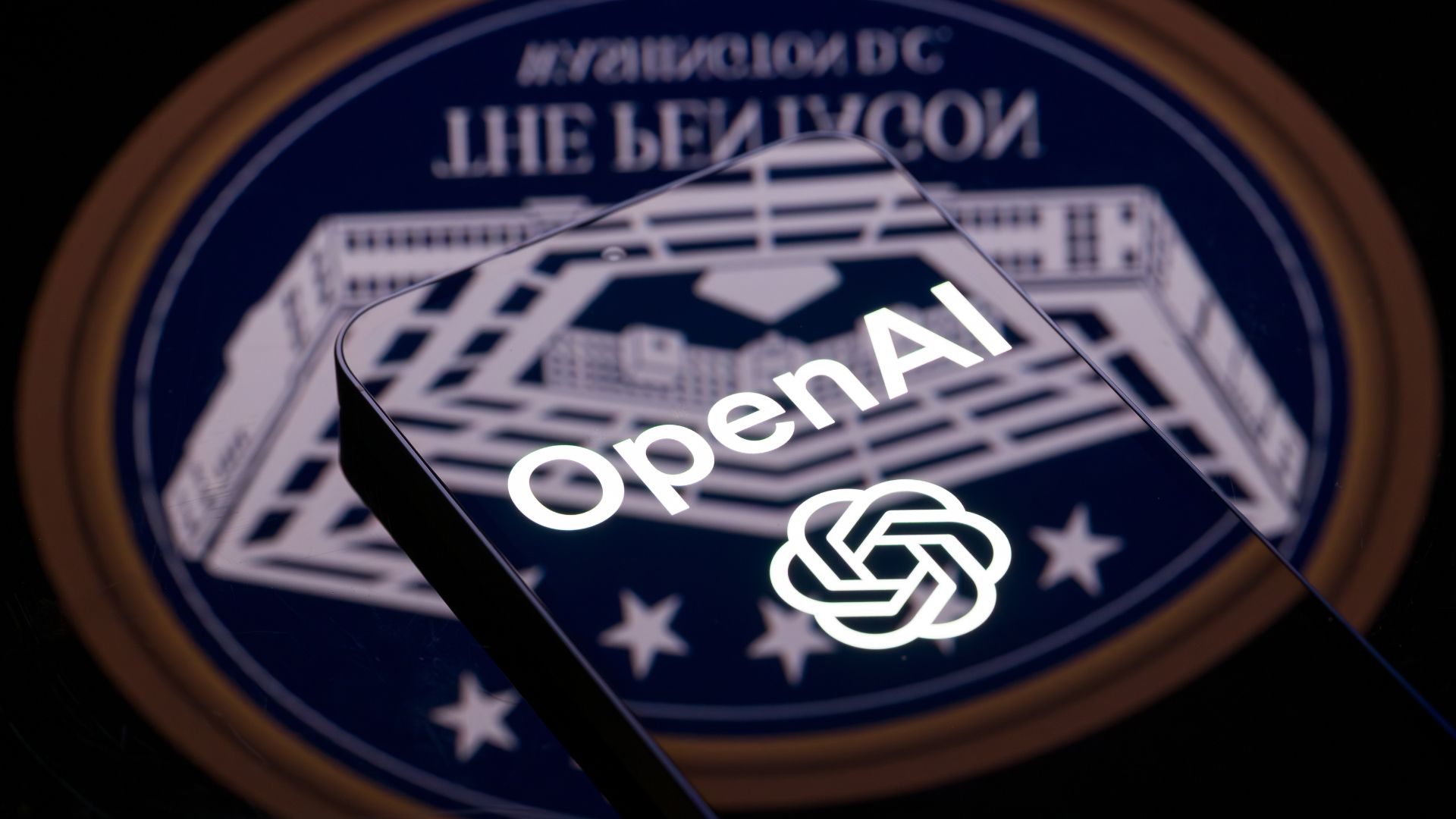
This initiative builds on OpenAI’s recent contract with the Pentagon and positions the company to cater to a broader array of government clients.
Enhancing Access to Federal AI Tools
The agreement enables AWS to make OpenAI’s AI products available within its existing government cloud framework.
This includes environments such as AWS GovCloud and secured areas designed for sensitive operations.
Agencies that currently utilize AWS can now seamlessly incorporate OpenAI tools into their workflows.
OpenAI will maintain oversight regarding how its models are utilized.
The company will determine which systems can be accessed and establish guidelines for their deployment.
AWS is also required to inform OpenAI before onboarding highly sensitive clients, including intelligence agencies. OpenAI can impose further safeguards depending on the specific deployment.
This arrangement allows OpenAI to expand its distribution while ensuring adequate control. It also provides agencies with a standard procedure to implement advanced AI tools without necessitating new infrastructure.
Gaining Momentum with the Pentagon
The partnership with AWS closely follows OpenAI’s recent contract with the Department of Defense.
This deal aims to deliver AI tools, including those based on ChatGPT, to approximately 3 million defense personnel.
Though the Pentagon contract is modest in terms of revenue, its strategic importance is significant.
It is expected to generate only a few million dollars over 15 months, yet it bolsters OpenAI’s credibility in high-security contexts.
The timing of this contract also reflects evolving dynamics in the defense sector. Recently, the Pentagon distanced itself from Anthropic, labeling it a supply chain risk.
This decision followed disagreements regarding usage restrictions related to surveillance and autonomous weaponry.
Following this fallout, OpenAI swiftly secured the defense contract, and the AWS agreement further extends its influence across various federal agencies.
Boosting Enterprise Credibility
Government contracts often signal reliability to enterprise clients. By integrating its technology within AWS’s public sector services, OpenAI is poised to gain increased visibility and validation.
AWS serves as a primary cloud provider for numerous U.S. agencies and has heavily invested in AI infrastructure, including partnerships with various model suppliers.
The addition of OpenAI to this ecosystem enhances its offerings and intensifies competition within its platform.
This partnership positions OpenAI alongside competitors in markets where AWS has substantial influence.
Anthropic, backed by significant investment from Amazon, remains closely tied to AWS services like Bedrock.
OpenAI’s involvement introduces a fresh dynamic within the same ecosystem.
Meanwhile, OpenAI continues to refine its wider strategic objectives.
The company has shifted focus towards enterprise and developer tools, incorporating security and testing functionalities for AI systems.
Recent initiatives include the integration of tools designed to simulate prompt injection attacks and enhancements to security features aimed at developers.
Although government contracts may not yield immediate large-scale revenue, they are vital for long-term strategic positioning.
By merging Pentagon access with AWS distribution, OpenAI is laying the groundwork for broader adoption in both public and private sectors.