The Evolution of K-Beauty in the U.S. Market: Insights from Wishcompany
In recent years, K-beauty has surged in popularity, captivating audiences with its innovative products and unique approach to skincare. A driving force behind this expansion is Wishcompany, a brand that has seamlessly integrated product development, educational content, and direct-to-consumer commerce since its inception in 2010. Let’s delve into how this approach is revolutionizing the American skincare landscape.
The Essence of Wishcompany
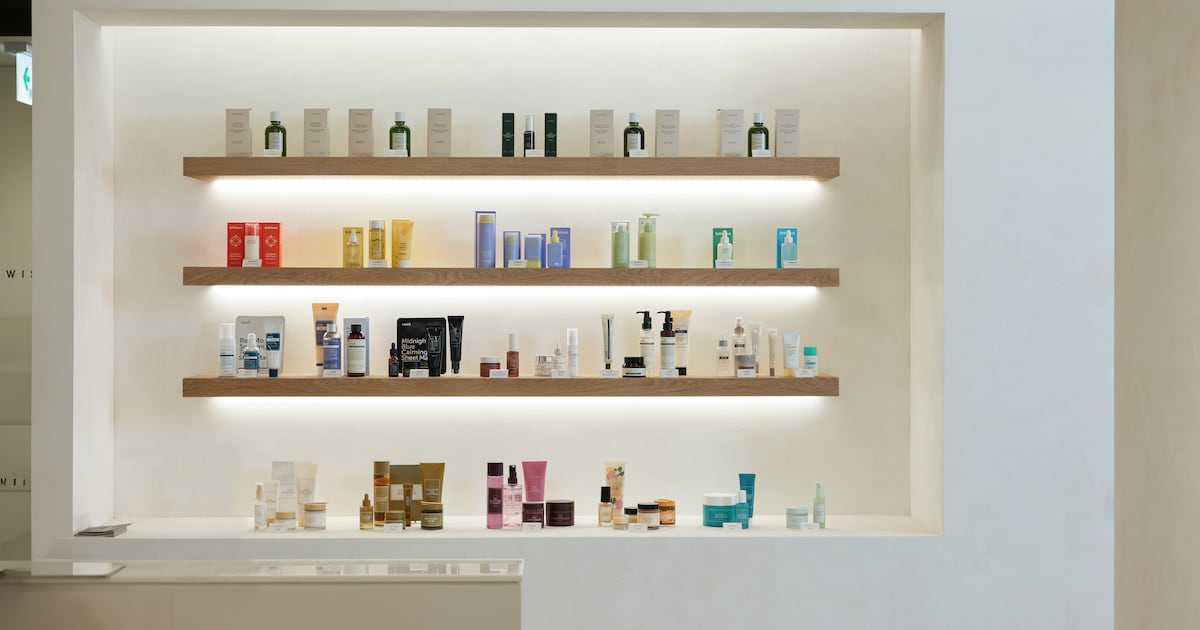
Wishcompany’s primary brands, Dear Klairs and By Wishtrend, are known for their dedication to quality and effective skincare. Dear Klairs focuses on gentle and barrier-supporting formulas ideal for sensitive skin, while By Wishtrend employs a science-backed approach, featuring active ingredients like vitamin C and retinoids. Their products are now available in about 80 countries, including North America, Europe, and Asia, ensuring broad accessibility.
Breaking Into the U.S. Market
Entering the U.S. market in 2017, Wishcompany joined the growing trend of K-beauty during a time of heightened consumer interest. The firm’s strategy involved tapping into online marketplaces like Temu to expand their reach, as this provides a more flexible and cost-effective entry point compared to traditional retail partnerships.
Chongrim Ku, the firm’s U.S. operations lead, notes that value-driven marketplaces allow brands to assess demand more efficiently while removing entry barriers. This shift enables emerging brands to thrive without placing hefty bets on heavy advertising.
Harnessing the Power of Online Marketplaces
According to Ku, online marketplaces have transitioned from mere sales platforms to pivotal discovery tools within the beauty sector. They serve three primary roles for skincare brands:
- Drive Conversion: By capturing the attention of shoppers ready to buy but undecided on a brand.
- Fuel Discovery: Consumers can explore new products through rankings and reviews, shifting away from traditional advertisements.
- Boost Visibility: High ratings and repeat purchases enhance brand loyalty and consumer trust.
Temu exemplifies this multi-functional platform, not only targeting price-sensitive shoppers but also reaching consumers who may not typically engage with specialized beauty retailers.
A Content-Driven Growth Strategy
Wishcompany initially began as a beauty education platform, and education remains at the heart of its business model. By emphasizing ingredient transparency and community engagement, the company fosters informed consumer decisions before they make purchases.
Ku explains, “By helping consumers understand skin functions and ingredient efficacy, we build credibility and meaningful connections.” This educational approach has propelled their growth internationally, creating a well-informed customer base before formal retail entries in new regions.
Moving Beyond K-Beauty Trends
As American perceptions of K-beauty evolve, Wishcompany aims to establish itself as a trusted healthcare authority. Recent data reveals a marked increase in consumer acceptance of K-beauty, broadening its appeal beyond the coastal urban centers where it first flourished.
With the launch on Temu in early 2025, Wishcompany has expanded into areas like the Midwest and Southern U.S., regions previously less familiar with K-beauty products. The company’s strategy revolves around three core pillars:
- Accessible Dermatology-Inspired Formulas: Merging clinical insights with mass-market appeal.
- Omnichannel Presence: Building connections across diverse platforms, from DTC sites to social commerce.
- Education-Led Marketing: Prioritizing engagement through creators and community rather than defaulting to performance-driven advertising.
Ku highlights their distinctive approach: “We prioritize trust and education over retail placements or heavy marketing. Content enriches belief in our products, and consistent usage ensures long-term retention.”
Conclusion
As the landscape of skincare continues to shift, Wishcompany’s integrated approach offers valuable lessons for those looking to navigate the evolving beauty market. By focusing on education, accessibility, and building trust, brands can not only enter but thrive in competitive environments like the U.S. market. K-beauty is more than just a trend; it’s rapidly becoming a cornerstone of skincare expertise.