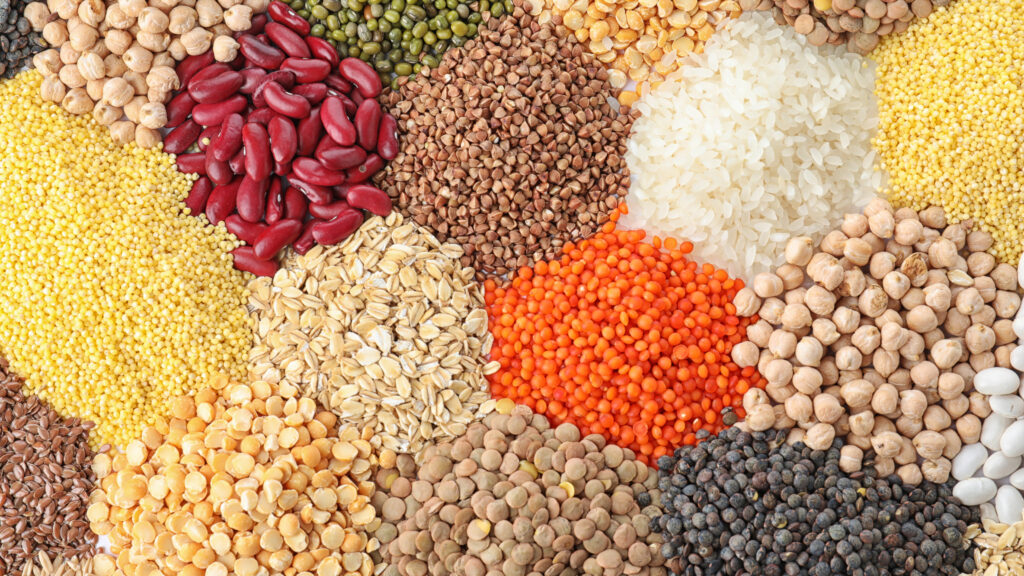
Recent research challenges the longstanding debate between low-carbohydrate and low-fat diets, indicating that the emphasis should be on the quality of fats and carbohydrates for heart health. A comprehensive study involving over 200,000 participants over three decades suggests that diets rich in plant-based foods, whole grains, and unsaturated fats promote better cardiovascular health. Notably, low-fat dairy also plays a positive role when included in diets that emphasize whole grains, fruits, and vegetables.
Not all carbohydrates and fats are alike. Whole grains, fruits, vegetables, nuts, legumes, and olive oil have been shown to lower the risk of coronary heart disease (CHD), while diets high in refined carbohydrates, animal proteins, and saturated fats are linked to increased heart disease risk. This finding, published in the Journal of the American College of Cardiology, emphasizes the importance of dietary quality over type.
Lead researcher Zhiyuan Wu, a postdoctoral fellow at the Harvard T.H. Chan School of Public Health, remarked, “Rather than strictly limiting macronutrients, we should promote a holistic healthy eating pattern for primary heart disease prevention.” This approach allows individuals the flexibility to adopt dietary patterns that align with their preferences while still prioritizing heart health.
The study highlighted how specific dietary choices affect heart health, showing that high-quality low-carb and low-fat diets were associated with a 15% reduction in CHD risk compared to those with lower-quality carbs and fats. Participants’ blood samples revealed further beneficial outcomes, with lower triglycerides and inflammation markers, as well as elevated “good” cholesterol levels. Additionally, metabolic biomarkers related to optimal health were found at favorable levels.
Defining a “high-quality” diet has become contentious, particularly in light of the new Dietary Guidelines for Americans 2025-2030. The current administration, under health secretary Robert F. Kennedy Jr. and agriculture secretary Brooke Rollins, has moved away from previous recommendations emphasizing the consumption of plant-based foods like vegetables, fruits, legumes, and whole grains. While promoting low-fat and non-fat dairy options and unsaturated fats, they discourage red and processed meats, saturated fats, and sugary snacks and beverages.
The new guidelines have notably revamped the food pyramid, highlighting a rib-eye steak at the top alongside a salmon fillet and whole milk. Kennedy remarked, “We are ending the war on saturated fat… Our government declares war on added sugar today.”
The consensus regarding the elimination of added sugars is largely uncontroversial. Wu states that “refined carbohydrates” encompass foods with added sugars as well as white bread and desserts. Andrea Deierlein, director of public health nutrition at NYU School of Global Public Health, stresses that the new guidelines continue to recommend limiting saturated fats to no more than 10% of total caloric intake, despite some of these guidelines being dismissed as aligned with “leftist ideologies.”
There appears to be a gap between the new pyramid depiction and the guidelines promoted by the earlier administration. Deierlein notes, “Previous dietary guidelines consistently emphasized limiting added sugars, sodium, and refined carbohydrates, while promoting whole grains and vegetables.”
Regarding the findings of the JACC study, she emphasizes that both low-carb and low-fat diets can be fruitful when centered around healthy sources of proteins, fats, and carbohydrates. There are diverse ways to achieve a nutritious dietary pattern, focusing on fruits, vegetables, legumes, and lean proteins.
It is important to note, however, that the participants in the JACC study were drawn from well-established studies and may not fully represent the general population. Their dietary information was derived mainly from self-reported food questionnaires, which could lend itself to inaccuracies. Blood tests and medical records were also used for data collection.
Wu highlighted that the study reinforces existing research supporting healthy eating patterns such as the DASH and Mediterranean diets, along with recommendations from the American Heart Association. Looking ahead, Wu aims to explore how a heart-healthy diet might differ based on individual genetic makeup, gut microbiome, and metabolic profiles.
“Perhaps the focus should shift from macronutrient composition to the actual foods consumed across varied dietary patterns associated with health benefits,” Wu concluded.
STAT’s coverage of chronic health issues is supported by a grant from Bloomberg Philanthropies. Our financial supporters are not involved in any decisions about our journalism.