Americans are indulging in coffee more than ever before, yet many are choosing alternatives to Starbucks. With the coffee landscape evolving, the iconic brand faces fierce competition in a saturated market.
While Starbucks remains the dominant force in America’s coffee culture, boasting nearly 17,000 locations and plans for more, it’s contending with unprecedented challenges that make regaining lost customers increasingly difficult.
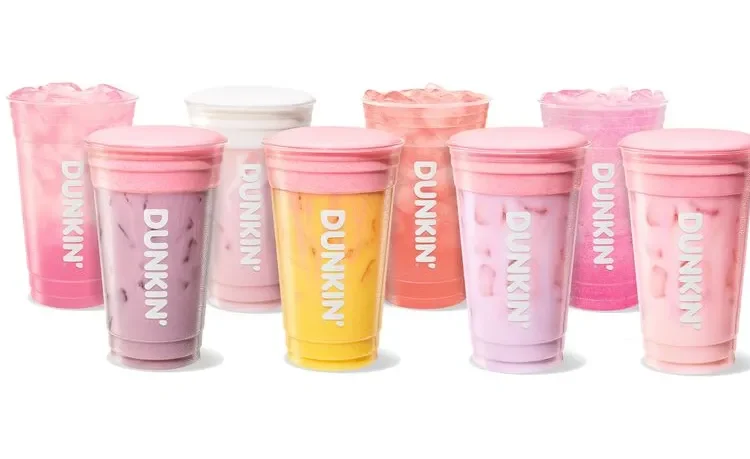
According to Technomic, a food industry consulting firm, Starbucks’ share of coffee spending in the U.S. decreased to 48% in 2024, down from 52% in 2023. During the same period, rival Dunkin expanded its market presence, marking a notable shift in consumer habits.
In addition to Dunkin, emerging drive-thru chains such as 7 Brew, Scooter’s Coffee, and Dutch Bros are gaining traction, while Chinese brands like Luckin Coffee and Mixue are establishing locations in the U.S. Meanwhile, leading fast-food chains like McDonald’s and Taco Bell are enhancing their beverage menus.
“People haven’t fallen out of love with Starbucks, but they’re now polyamorous in their coffee choices,” stated Chris Kayes, chair of the management department at the George Washington University School of Business. “Consumers are increasingly exploring other coffee options.”
Caffeination nation
Coffee culture continues to thrive in the U.S. In both 2024 and 2025, about 66% of Americans reported drinking coffee daily, a 7% increase since 2020, according to the National Coffee Association, an industry trade organization.
To capitalize on this rising demand, coffee chains have rapidly expanded. The number of chain coffee outlets in the U.S. surged by 19% over the last six years, surpassing 34,500 locations, as reported by Technomic.
Starbucks, which started as a modest chain in Seattle when former CEO Howard Schultz acquired it in 1987, now faces stiff competition from smaller chains experiencing significant growth. For instance, Nebraska-based Scooter’s Coffee expanded from 200 locations in 2019 to over 850 today, while 7 Brew from Arkansas increased from 14 locations to more than 600 in the same timeframe.
“There’s an oversupply in the market compared to demand,” noted Neil Saunders, managing director and retail analyst at GlobalData Retail.
He added that Starbucks’ size might hinder its ability to grow. “They’re quite saturated,” he explained. “It’s a mature business.”
From grande to venti
Despite these challenges, Starbucks remains optimistic. At a recent investor conference, the company outlined its commitment to enhancing customer service and creating warmer, more inviting spaces, which has begun to improve store traffic. Starbucks plans to add 25,000 seats across its U.S. cafes by this autumn.
“Growth doesn’t require us to change who we are; it’s about excelling in what we already do,” said Starbucks Chief Operating Officer Mike Grams.
Starbucks anticipates opening over 575 new U.S. stores in the next three years. The company is focusing on a smaller store format that is more cost-effective while still offering indoor seating, drive-thru options, and mobile pickup. This new model will enable Starbucks to establish locations in previously unfeasible areas.
Starbucks is also innovating its product offerings, introducing updated pastries and snackable items that are high in protein and fiber to recapture its clientele.
What’s on the menu
One factor contributing to Starbucks’ struggles has been a perceived lack of menu innovation, particularly among younger consumers who seek new experiences. For instance, Dutch Bros introduced protein coffee drinks in January 2024, well ahead of Starbucks. Energy drinks now constitute 25% of Dutch Bros’ business, nearly 14 years after their launch. Starbucks recently offered iced energy drinks temporarily and is expected to introduce customizable energy drinks soon.
Under the leadership of former Starbucks executive Christine Barone, Dutch Bros has over 1,000 locations in the U.S. and aims to double that by 2029, capitalizing on speed and convenience, with almost all stores featuring drive-thru and walk-up windows.
Luckin Coffee, which features numerous promotions via its app, is similarly price-conscious. A recent visit to one of its nine locations in New York showed a bustling environment filled with customers picking up mobile orders, with no available seating.
During a visit, Xunyi Xie, from Delaware, chose to try a Velvet Latte due to a promotion offering it at $1.99. While he typically brews his espresso at home, he mentioned he would patronize Luckin if a location opened conveniently on his commute.
As for Starbucks? “I think it’s overpriced,” he commented.
Starbucks’ future
In 2024, the average expenditure per customer at Starbucks was $9.34 compared to $8.44 at Dutch Bros and $4.68 at Dunkin’, according to analysis from investment research firm Morningstar.
Starbucks did not raise prices in its 2025 fiscal year and plans to approach future price adjustments cautiously. However, Ari Felhandler, an equity analyst at Morningstar, warned against discounting; he believes price reductions could undermine its value proposition, especially with competitors likely to undercut prices.
“Maintain your prices and rationalize them,” advised Felhandler, adding that Starbucks’ redesigns and new menu items should help restore customer traffic.
Grams stated that Starbucks is committed to its strategy of not relying solely on drive-thrus or mobile pickup locations. Instead, the efficacy lies in creating cafes with engaging seating—termed the “soul of Starbucks”—that accommodate various customer needs, whether for convenience or for lingering.
“Competition will always exist, and we stay vigilant, but we don’t aim to imitate others,” Grams explained to The Associated Press. “Our unique offering is a meaningful space for customers to enjoy their coffee for different occasions.”
Yet, Kayes from George Washington University raises concerns: will this approach be sufficient for Starbucks to remain at the forefront, or have consumers already gravitated toward independent coffee shops or upscale chains like Blue Bottle?
“In some respects, they are a victim of their own success,” Kayes reflected. “The allure of Starbucks may no longer feel unique or extraordinary.”
Key Takeaways
- Starbucks’ market share of U.S. coffee spending has declined from 52% in 2023 to 48% in 2024.
- Emerging drive-thru chains and foreign competitors are increasing their presence in the U.S. market.
- The number of chain coffee stores in the U.S. has grown by 19% in the last six years.
- Starbucks is focusing on enhancing its stores and introducing new menu items to attract customers.
- Maintaining prices while justifying their value is crucial for Starbucks as it navigates competition.
FAQ
What is affecting Starbucks’ market share?
Starbucks is facing growing competition from emerging coffee chains and fast-food competitors that are diversifying their beverage offerings.
How is Starbucks addressing its decline in customers?
Starbucks is working on enhancing the customer experience in its stores and introducing new menu items to attract returning clientele.
Are other coffee chains expanding significantly?
Yes, chains like Dutch Bros and Scooter’s Coffee have rapidly expanded their locations and innovative menu offerings.
What strategies is Starbucks planning for immediate growth?
Starbucks aims to open over 575 new U.S. stores in the coming years, focusing on a smaller store format that remains cost-effective and efficient.
How does Starbucks’ average customer spending compare to competitors?
The average customer spends $9.34 at Starbucks, contrasting with $8.44 at Dutch Bros and $4.68 at Dunkin’.