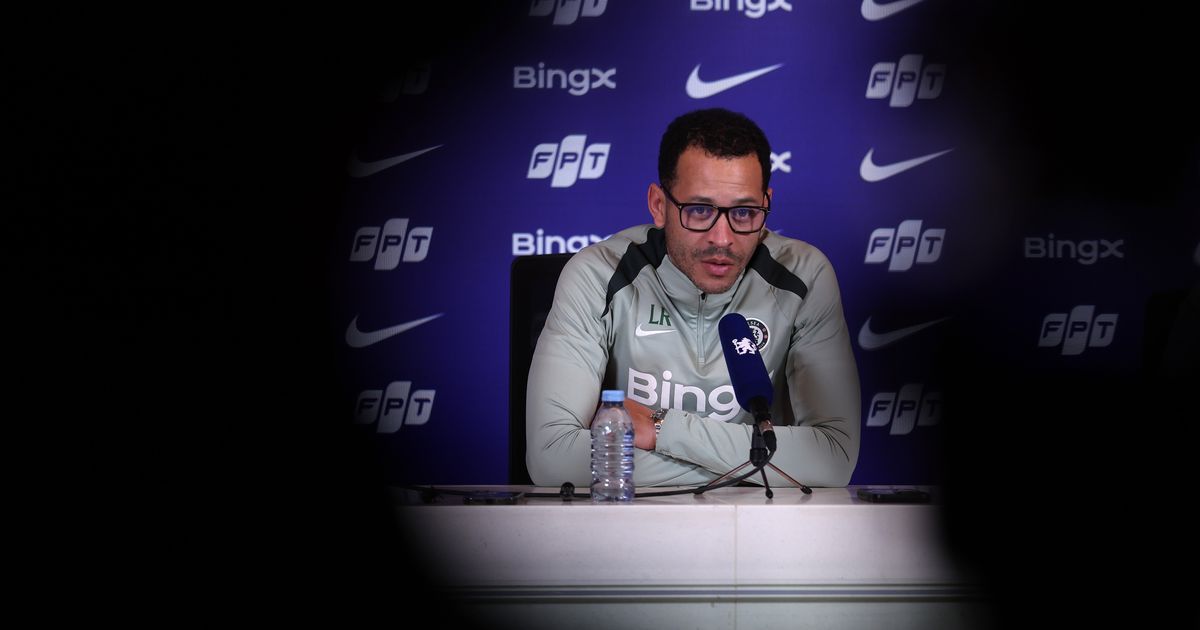
Finding Balance: Insights from Chelsea’s Head Coach Liam Rosenior
Liam Rosenior, head coach of Chelsea FC, recently shared his thoughts during a pre-match press conference ahead of their upcoming Premier League fixture against Leeds United. As the team rides high on a four-match winning streak, culminating in a remarkable performance from Cole Palmer, who netted a hat-trick against Wolves, Rosenior’s demeanor reflects a blend of determination and optimism. This article encapsulates his key insights and provides practical takeaways for personal and team development in sports.

Image credit: Chris Lee – Chelsea FC
Key Takeaways from Rosenior’s Press Conference
1. Prioritizing Player Health
Rosenior addressed Reece James’s recent health concerns, indicating that while James is fit, there are some small issues affecting his well-being. This highlights the importance of player care in maintaining optimal performance levels. Athletes at any level should prioritize health by listening to their bodies and allowing adequate recovery time.
2. Effective Communication and Learning
Rosenior expressed satisfaction with the team’s ability to absorb information quickly, despite limited training sessions. For aspiring athletes, this underscores the value of being open to feedback and actively engaging in team meetings to enhance performance. Adapting quickly can be a game-changer.
3. The Importance of World-Class Talent
Discussing Cole Palmer, Rosenior described him as a vital asset for the team. Identifying and nurturing talent can lead to significant gains. For athletes, aligning with capable mentors or coaches can amplify skills and elevate performance.
4. Crafting Full-90 Performances
When addressing the need for a complete performance over the course of a match, Rosenior emphasized refining focus and consistency. Athletes should strive for peak performance throughout their entire game, utilizing practices that build endurance and mental resilience.
5. Tactical Flexibility
Rosenior noted the challenges of facing teams that employ a defensive strategy. He advocates for fluid tactical roles that allow players to make decisions in the moment. This encourages athletes to develop their game intelligence, enabling them to adapt quickly to various in-game scenarios.
6. Managing Workload and Athlete Welfare
In light of a busy fixture schedule, Rosenior highlighted the importance of rotation for player well-being. Athletes should manage their training loads consciously, balancing intensity and recovery to ensure sustained performance without burning out.
7. Fostering Mental Toughness
Rosenior observed that his players showed remarkable resilience, particularly in pivotal moments during challenging matches. Building mental toughness is crucial in sports; athletes should engage in practices that reinforce psychological strength, like visualization or mindfulness techniques.
Conclusion
Liam Rosenior’s insights reflect a prudent approach to coaching and player management, emphasizing health, learning, flexibility, and resilience. As both athletes and coaches aim for success, embracing these practical lessons can foster a competitive edge. By focusing on these areas, individuals can enhance their performance and contribute more significantly to their teams. As Chelsea prepares for its next challenge, the dynamics of their training and mental preparedness will be critical in overcoming adversity and achieving their goals.