Easy Ways to Improve Your Dog’s Wellbeing
As dog owners, keeping our furry friends happy and healthy is a priority. Fortunately, enhancing their lives doesn’t always require expensive beds or special treats. Here are some simple yet effective ways to improve your dog’s wellbeing.
1. Let Your Dog Stop and Sniff
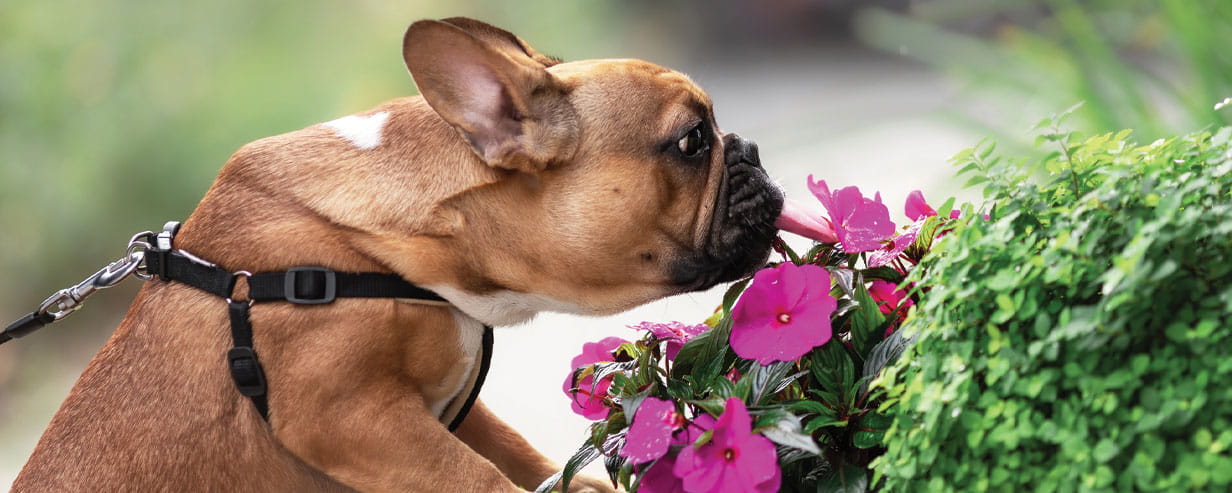
A good walk is not about distance or tiring your dog out. Dogs enjoy walks when they can sniff, pause, and explore. For dogs that are nervous or easily overstimulated, shorter walks in quieter areas can be more beneficial. Some dogs may even need a day off from long walks, provided they still receive exercise and mental stimulation.
2. Allow Your Dog to Make Choices
Giving your dog choices can give them a greater sense of control. This can be as simple as letting them choose between two toys or decide where to settle down. Even identical chews may have different appeal, so allow them to pick what they want.
3. Play a Sniffing Game
Scatter some of your dog’s regular food around a safe area for them to sniff out. Start easy and gradually increase the challenge. This game provides mental stimulation and can help distract dogs during walks.
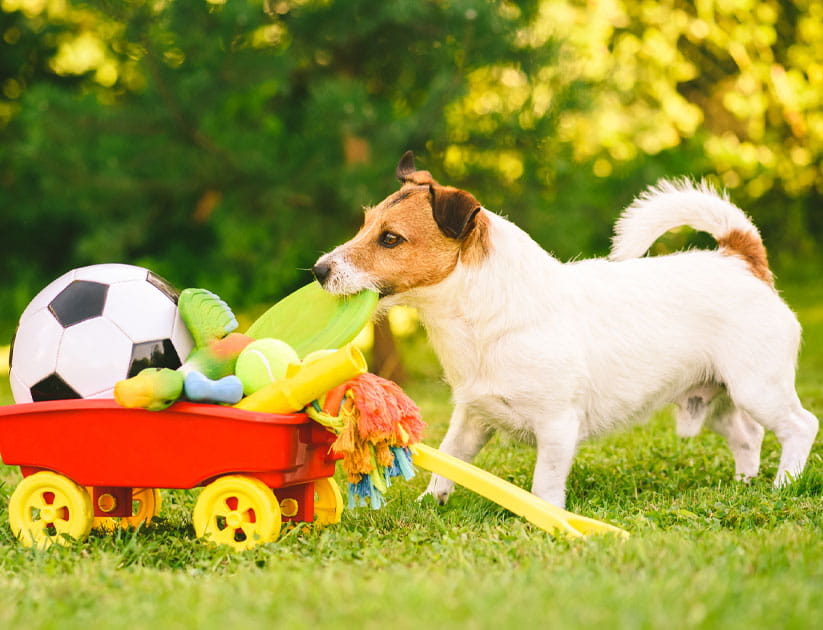
Caption: Allowing your dog a choice can give them a greater sense of control.
4. Help Your Dog Maintain a Healthy Weight
Certain breeds, like pugs and beagles, are more prone to obesity. Monitor their waist shape and ensure you can feel their ribs. Measure portions and track treats to maintain a healthy weight.
5. Make Sure Their Bed Suits Them
Consider your dog’s preferences when it comes to sleeping surfaces. Some may prefer a firm bed, while others need more support. Observe where your dog likes to sleep and place beds away from drafts and busy areas.
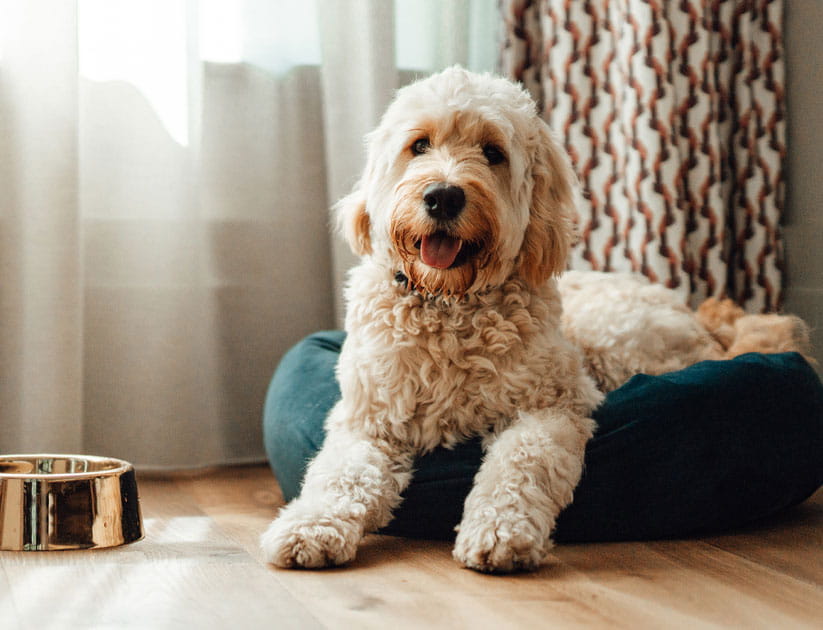
Caption: Make sure the dog bed suits the dog and their needs.
6. Brush Their Teeth Every Day
Daily brushing is essential for dental health, particularly for smaller breeds more prone to problems. Use dog-specific toothpaste, and consider dental wipes or chews as supplements—though they aren’t substitutes for brushing.
7. Don’t Neglect Their Paws and Coat
Overgrown nails can lead to mobility issues. Regular grooming is essential, especially for long-haired breeds, which may require daily attention to prevent mats.
8. Spot Early Signs of Arthritis
Watch for changes in your dog’s movements, like hesitating to go downstairs or taking longer to get out of bed. Consult your vet if you suspect arthritis. Non-slip mats can help dogs experiencing joint pain.
9. Watch for Changes in Hearing and Eyesight
Pair behavioral changes, like reluctance around unfamiliar objects, with veterinary advice if you suspect issues with eyesight or hearing. Introduce hand signals for dogs that may be losing their hearing.
10. Give Them Some Peace and Quiet
A dog that seems restless or overly demanding might benefit from a quieter environment. Balance activity with downtime, and consult a vet if their behavior has changed noticeably.
More Pet Advice from Saga
For additional tips on improving your pet’s quality of life, consider exploring more resources on dog care and wellbeing.
Author: Laura Silverman
Laura Silverman is a freelance journalist with experience in various publications. She specializes in topics like wild swimming and has written extensively about arts and culture. View author page.