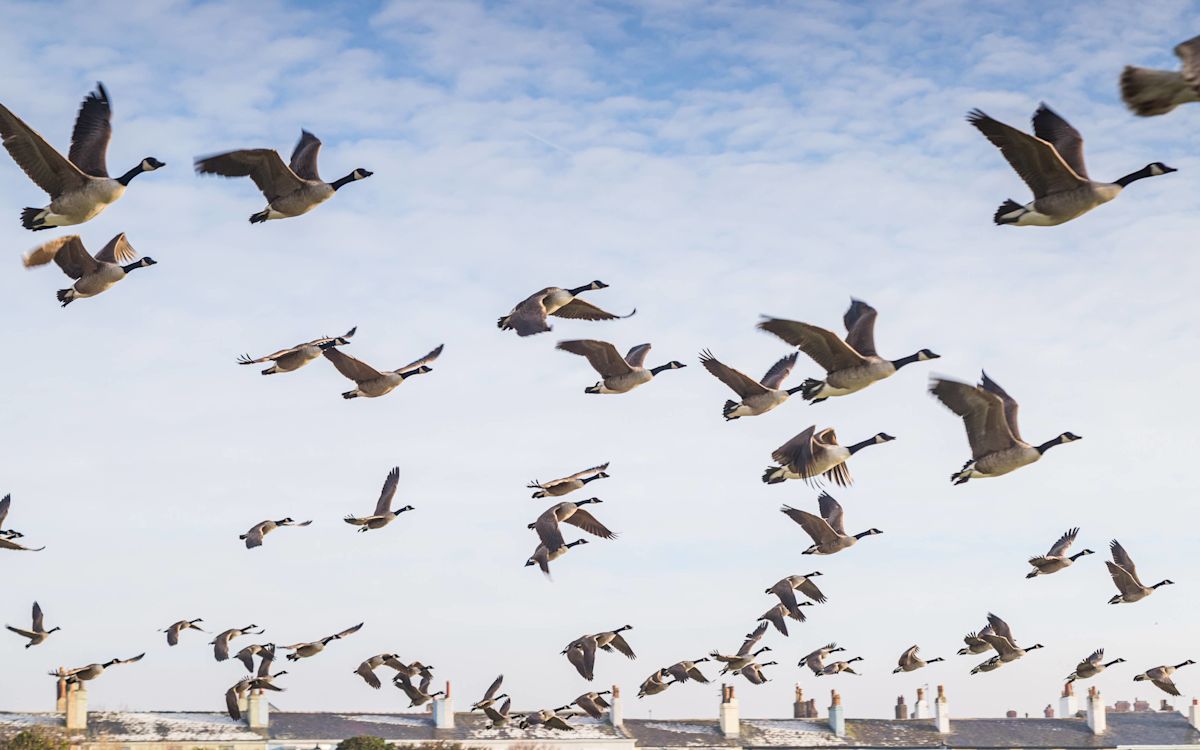
As migratory birds head south for winter, veterinarians are alerting the public to an increased risk of bird flu, particularly highly pathogenic avian influenza (HPAI). A recent case was confirmed in a treated goose at the LSU School of Veterinary Medicine, which displayed symptoms such as cloudy eyes, weakness, and neurological issues.
Late fall and winter pose heightened risks as migratory waterfowl traverse through Louisiana, potentially spreading the virus to other birds and mammals. Pets may also be at risk; thus, pet owners should exercise caution during outdoor activities.
Symptoms of Bird Flu in Birds
Common symptoms of HPAI include:
- Cloudy eyes
- General weakness
- Neurological problems
- Unusual behavior
- Difficulty moving
Due to testing costs, birds are individually evaluated at the Wildlife Hospital before testing is conducted based on clinical signs.
Protecting Pets from Bird Flu
To safeguard pets:
- Avoid handling sick or dead wild birds.
- Keep pets away from wildlife.
- Steer clear of contaminated areas.
- Report wildlife illnesses or deaths to the local wildlife authority.
- Safeguard backyard poultry by limiting contact with wild birds.
Precautions include avoiding sick or dead birds, ensuring pets do not interact with wild birds, and reporting unusual wildlife behavior. For more information, check the original article on Parade.