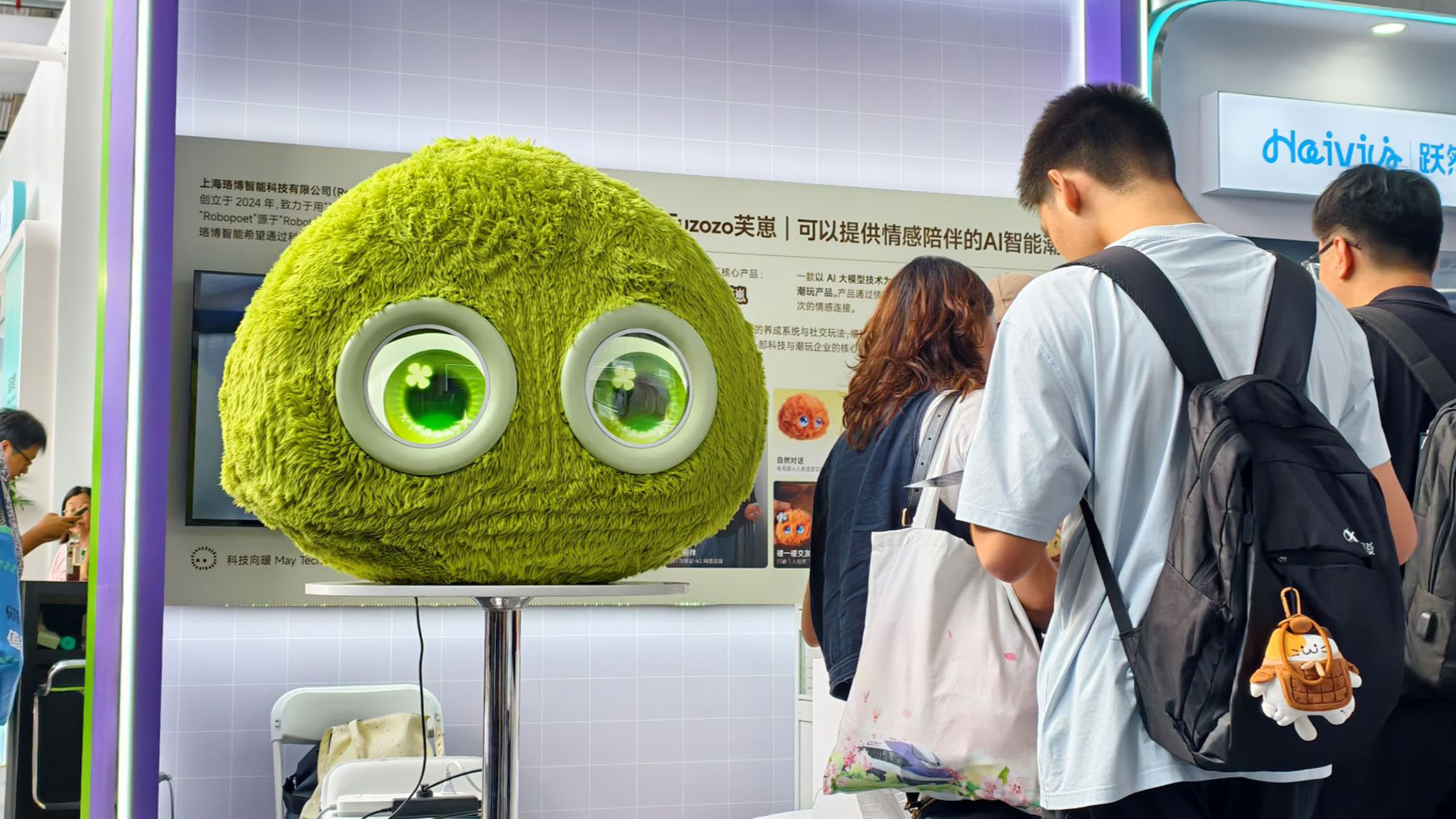
The article discusses the emergence of AI-powered pets in China, highlighting their appeal to people who live alone or face restrictions on owning traditional pets. With over 125 million individuals living alone in China and a growing pet market, companies are capitalizing on the demand for companionship through artificial intelligence.
Monica Chen and Wang Yimeng are examples of urban residents who have chosen AI pets due to their busy lifestyles and landlord restrictions. These AI companions, like Qiuqiu and Ropet, provide emotional engagement without the responsibilities of real pets, making them attractive for young consumers.
Major tech companies, including Huawei and Nubia, are entering the AI pet market, developing products that focus on emotional interaction rather than just advanced hardware. The sector is evolving from simple consumer electronics to emotional companions designed to foster long-term relationships with users.
However, the commercialization of AI pets poses challenges. Many companies rely primarily on hardware sales, with sustainable revenue models yet to emerge. Industry experts suggest that focusing on emotional attachment and innovative interactions can help differentiate AI pets from traditional pets, unlocking their potential as a lasting part of daily life.
While the sector is gaining traction, experts caution that it risks being viewed as merely “high-end toys” unless it addresses issues of user retention and creates a compelling value proposition for sustained engagement.