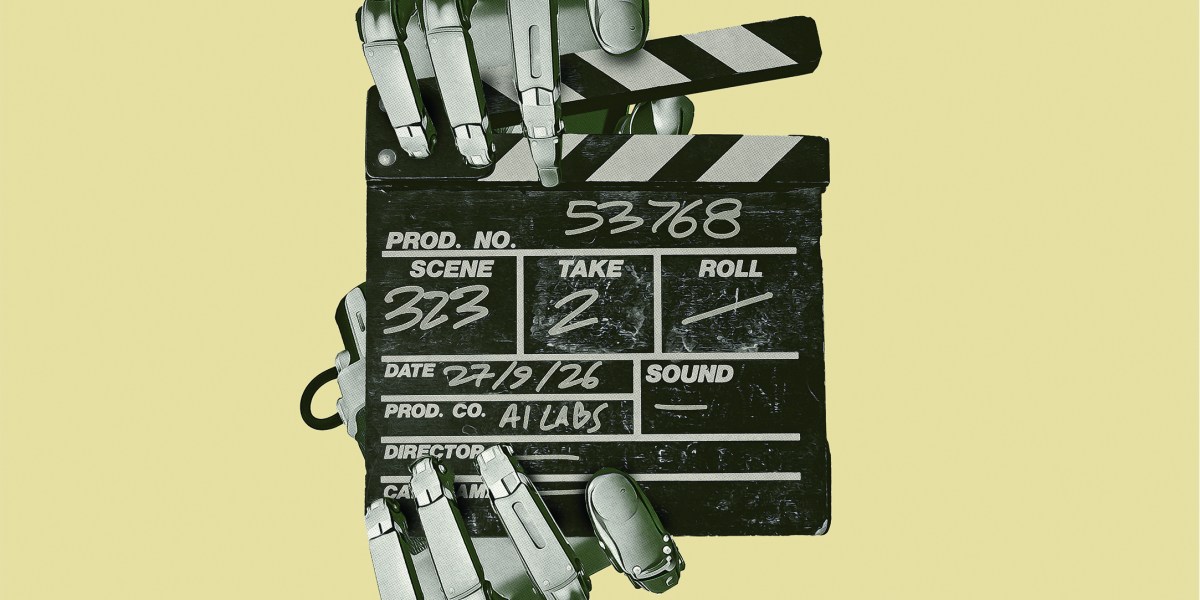
The rise of AI in filmmaking is reshaping the industry landscape, as evidenced by Singapore’s recent celebration of its 61st birthday with two AI-generated films: Bersama Majulah and Trace Project. These films highlight the capability of generative AI, serving as a clear signal of potential disruption to traditional filmmaking practices.
AI’s Impact on Filmmaking
-
Generative AI Utilization:
- Both films featured fully AI-generated content apart from their scripts, showcasing a significant innovation in storytelling.
- In China, a staggering 95% of microdramas released in early 2026 were created using AI tools, indicating rapid adoption and reliance on technology for content creation.
-
Emerging Trends:
- AI models like Kling AI are gaining immense popularity, with companies like iQiyi transitioning from traditional streaming to AI-generated content.
- Prominent players such as ByteDance, Alibaba, and Higgsfield AI are also innovating in this space.
-
Accessibility:
- Filmmaking has become more accessible than ever, allowing various creators to share their stories.
- Costs for producing AI-generated content in China are remarkably low, enabling rapid production cycles.
-
Industry Concerns:
- There are rising concerns about the potential loss of the human element in filmmaking. As noted by industry experts, many traditional actors and studios may face obsolescence.
- The call for preserving artistic integrity grows louder, particularly in more Western contexts where copyright protections are stringent.
Audience Reception and Future Prospects
-
Mixed Reactions:
- Initial audience responses to AI-generated films have been varied. While some embrace the novelty, others remain skeptical.
- The online premiere of Boh’s short film amassed significant viewership, highlighting a potential acceptance of such content yet underscoring challenges in audience familiarity.
-
Need for Strong Fundamentals:
- Experts warn that good storytelling still relies on the fundamental principles of filmmaking, suggesting that AI can support rather than replace critical creativity and artistry.
-
Cultural Implications:
- In Asia, looser copyright laws allow for experimentation with AI, contrasting sharply with the West, where there is a stronger push for artist rights.
- The ongoing evolution of AI technology may lead to a new genre of films that blend human direction and AI creativity, potentially revolutionizing audience experiences.
-
Exploration of Interactive Films:
- Creatives are experimenting with interactive storytelling, where viewers can influence narrative paths, enhancing engagement and creativity.
In summary, as AI continues to integrate into the filmmaking ecosystem, it promotes wider access to storytelling while also sparking debates over the essence of cinema. The future may involve a synergistic relationship between AI advancements and traditional filmmaking practices, leading to innovative forms of entertainment.