Thunderstorm Anxiety in Pets: Understanding and Managing It
Many pet owners notice their once calm companions becoming uneasy as dark clouds gather and thunder rumbles. This phenomenon, known as thunderstorm anxiety, can differ based on a pet’s breed, species, and individual personality. While it’s normal for pets to feel scared during storms, some may experience heightened reactions that warrant attention.
Recognizing Symptoms of Storm Anxiety
Common signs of anxiety in both cats and dogs during storms may include:
- Behavioral Signs: Pacing, hiding, whining, and unusual body posture.
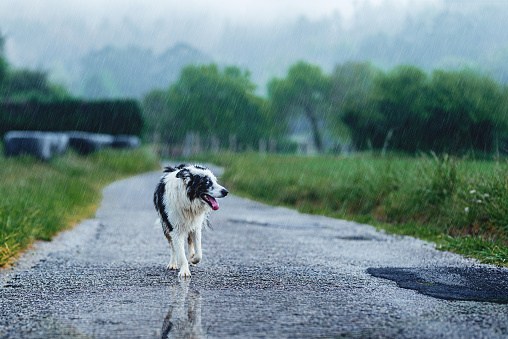
- Physical Symptoms: Panting, vomiting, refusal to eat, or loose stool.
Dr. Erin Ray from Texas A&M College of Veterinary Medicine states that pets often anticipate changes in weather before humans do, indicating their heightened sensitivity.
Strategies for Helping Your Pet Feel Safe
To mitigate storm anxiety, it’s crucial to adopt a tailored treatment approach. Here are some effective strategies:
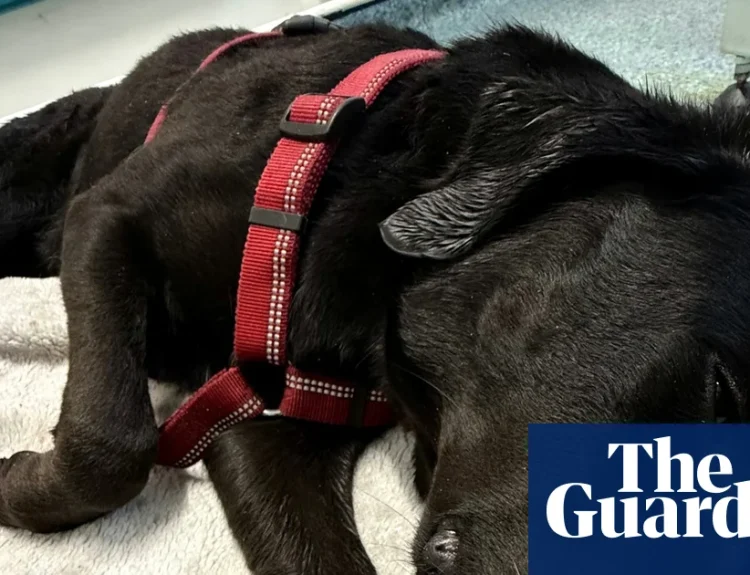
- Pressure Wraps: Using compression jackets that mimic the sensation of a gentle hug can be comforting.
- Positive Reinforcement: Spend quality time with your pet, rewarding calm behavior with treats.
- Pheromone Aids: Consider pheromone diffusers or sprays designed for pets.
- White Noise: Playing white noise can help muffle the sounds of thunder.
Gradually introducing puppies and kittens to the sound of thunderstorms during enjoyable activities can help them associate those sounds with positive experiences. This desensitization can be achieved by starting with low-volume recordings and gradually increasing exposure.
When Anxiety Requires Additional Support
In severe cases, storm anxiety can lead to respiratory distress or seizures. If your pet shows significant distress, consult your veterinarian about creating a comprehensive treatment plan, which may include medications.
Important Note: Never share medications between pets or give human medications to animals without veterinary guidance, as dosages differ by species and health conditions. Monitor weather forecasts closely, as medication is often most effective when given about two hours before a storm.
Advice for Pet Owners
Understanding your pet’s typical behavior during storms can help you prepare. To minimize anxiety, provide treats and reassurance in advance to create a positive association with storms.
Whenever possible, prioritize non-medication strategies. If your pet exhibits destructive behaviors or extreme distress, consult your veterinarian to explore further options.
Remember, finding an effective treatment plan may take time, and each pet will respond differently. Medication should complement behavioral strategies rather than serve as a sole solution. By identifying early signs of anxiety and collaborating with a veterinarian, pet owners can help their companions weather storms more comfortably.