Saudi Arabia Cancels Joy Awards Amid Financial Strains
By Timour Azhari
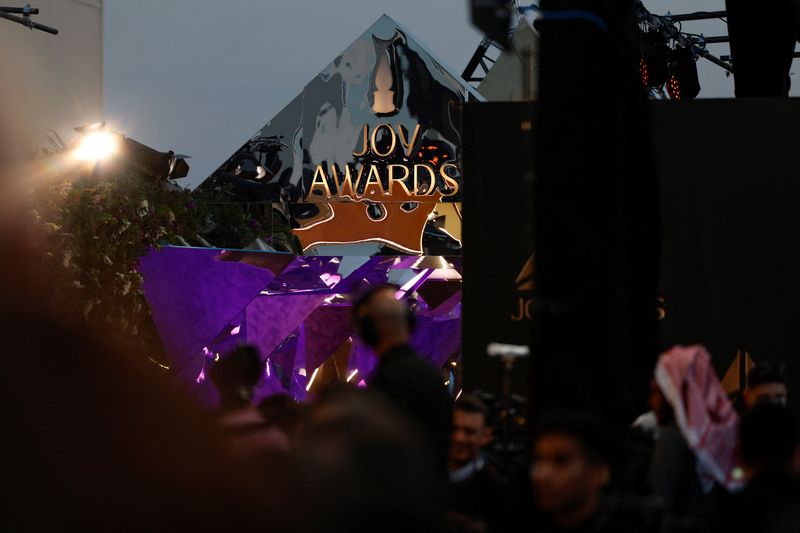
Oct 4 (Reuters) – Saudi Arabia is poised to cancel next year’s Joy Awards, a prominent entertainment event akin to the Oscars or Grammys. Sources indicate that the decision stems from financial pressures and the fallout from the ongoing conflict with Iran, affecting the burgeoning entertainment sector.
Historically, the Joy Awards, held in January, has attracted major global performers like Katy Perry and Robbie Williams, and has been a key highlight on Riyadh’s event calendar. However, the financial landscape is shifting, leading to budget cuts that have already begun impacting the entertainment sector.
A representative from the General Entertainment Authority, which oversees the awards in collaboration with the media giant MBC Group, did not provide comments when approached. Neither did MBC Group or the Saudi government’s media office respond to inquiries.
Budgetary constraints were already evident prior to the war with Iran, which has posed challenges to Crown Prince Mohammed bin Salman’s ambitious Vision 2030 initiative aimed at positioning Saudi Arabia as a leading tourism and events location. Significant projects, including the striking 100-mile tower at the NEOM megacity and a $50 billion steel cube in Riyadh, have been postponed or scaled back significantly. Funding for ventures like LIV Golf has also been withdrawn after extensive investments.
The Repercussions of War and Economic Prioritization
Mazen Hayek, a media consultant based in Dubai, remarked, “The war and its ripple effects are causing Gulf states to reassess their spending priorities.” He highlighted that the financial capability isn’t the sole issue; many entertainment events serve as tools for global visibility and influence, which are now being weighed against pressing national needs.
More Cancellations in the Entertainment Scene
In addition to the Joy Awards, several other high-profile events have faced similar fates. Last month, the Red Sea Film Festival was delayed until 2027 due to logistical issues and the uncertain backdrop created by the war. This festival, initiated in 2021 following the lifting of a long-standing ban on cinemas, was intended to bolster local cinema.
Organizers have also canceled Soundstorm, a major desert rave event originally scheduled for December, which features international stars and attracts massive crowds. While organizers promised its return in the following year, no specific reasons were given for the cancellation.
Soundstorm debuted in 2019 amid a cultural shift in the kingdom, which seeks to broaden social freedoms. Despite the progressive nature of such events, they have often faced criticism from conservative factions within the country.
Still, events that are deemed critical for economic interest, like the Future Investment Initiative scheduled for later this month, remain on track, suggesting a strategic focus on economic rather than strictly entertainment endeavors.
In summary, while Saudi Arabia continues to reassess priorities under current geopolitical and financial pressures, it indicates a significant shift in the realm of cultural events amid ambitious plans for global prominence.