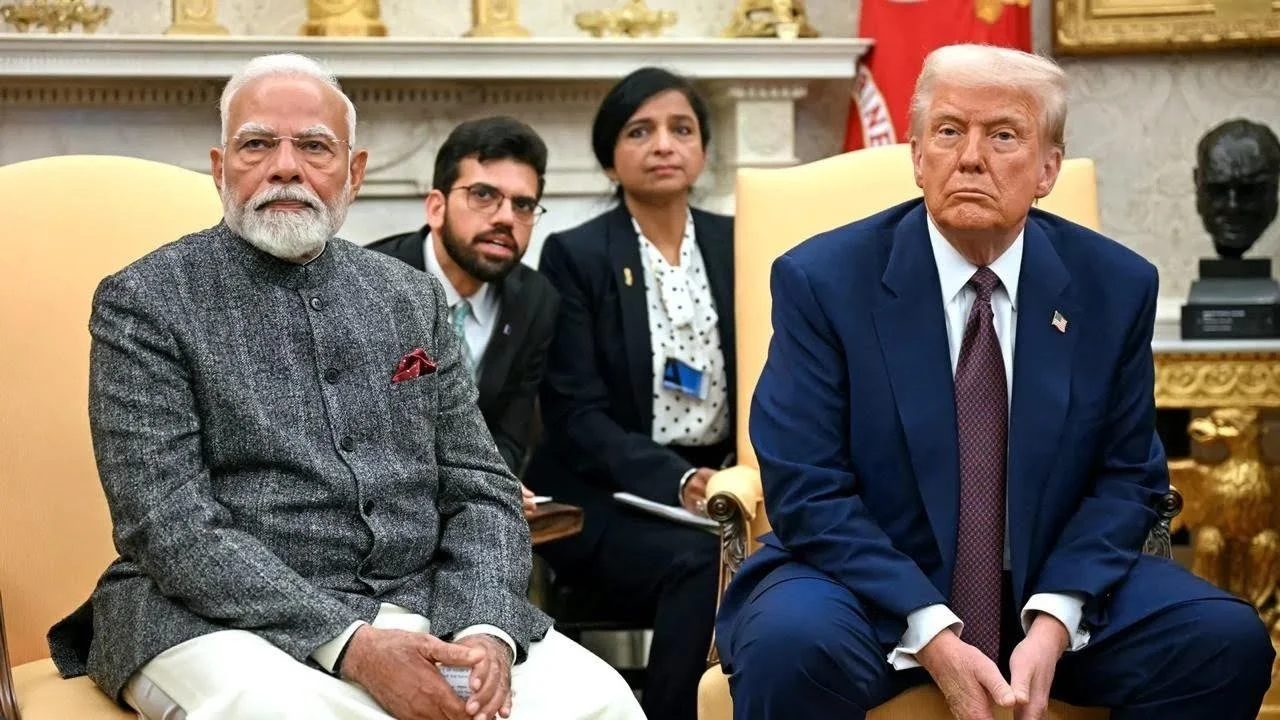
The latest U.S. legislation signed by President Trump on September 18, 2026, allows for tariffs on major importers of Russian oil and gas, notably impacting India amid rising energy costs. This marks a shift in U.S. policy towards India, following a previous tariff on Indian goods due to Russian oil imports, which was later removed as India pledged to cut its Russian oil purchases.
The U.S. aims to weaken Russia’s economy by sidelining its foreign buyers and adjusting tariffs up to 100% based on a country’s commitment to Russian imports. India, heavily reliant on crude oil imports—90% of which is sourced abroad—could face economic strain if energy supplies are disrupted. Although the U.S. is one of India’s top trading partners, India’s dependence on Russian oil complicates their relationship.
This situation also threatens India’s technological and security interests, given its substantial planned purchases of U.S. technology and collaboration in defense to counter China’s influence. Moreover, recent instability in the Middle East has forced India to increasingly rely on Russian energy sources, which have created financial benefits but also heightened dependency.
As the U.S. seeks to sanction Russia and India faces energy supply challenges, the country must navigate a delicate balance between its energy security and relations with Washington. The effectiveness of U.S. sanctions might inadvertently push India to maintain its Russian oil imports as a safeguard against potential supply disruptions.


