Odesa has been selected for a key United Nations initiative, funded by Italy, aimed at promoting energy innovation in Ukraine. The initiative includes the establishment of a Pilot Decarbonization Office in Odesa, focusing on solar power and decentralized electricity generation. This is intended to enhance the city’s resilience against Russian attacks on energy infrastructure, while also laying the groundwork for a greener recovery.
The Italian government’s focus on Odesa signifies its importance, with energy resilience crucial for the city’s recovery post-war. Reliable electricity is vital for hospitals, schools, businesses, and public services.
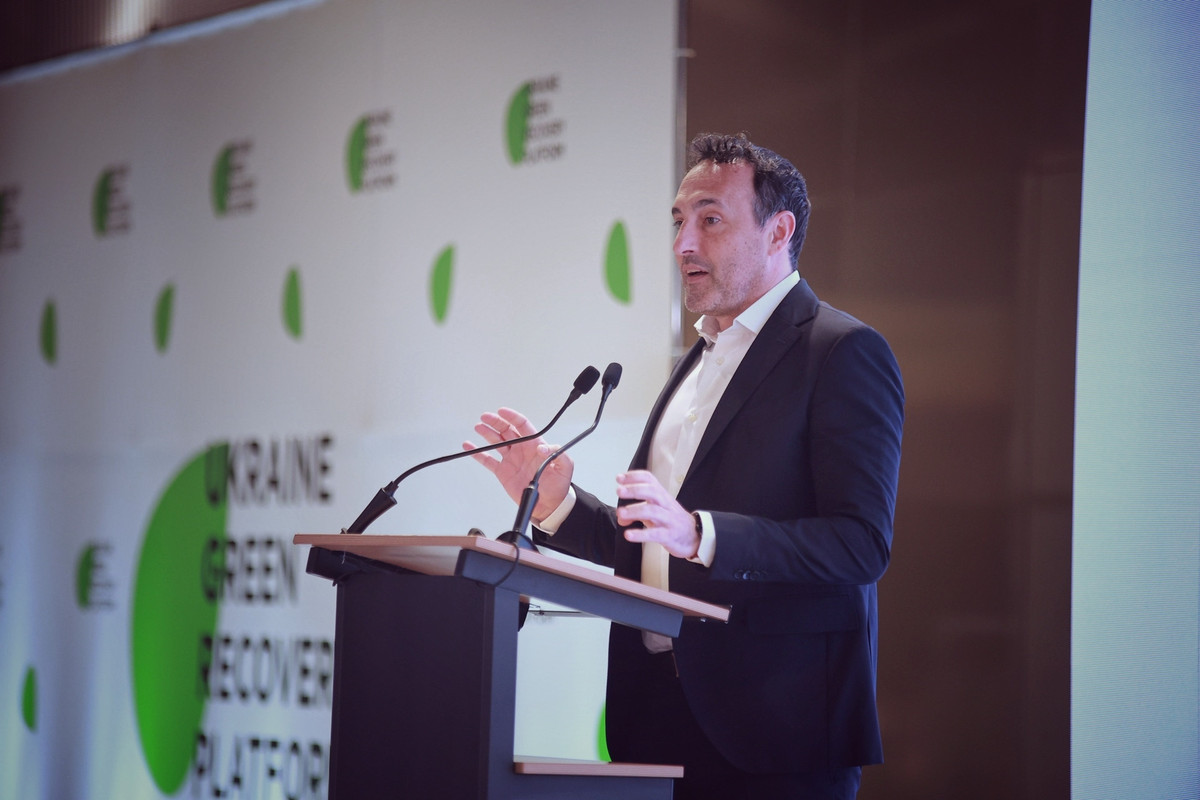
In an interview, Pier Carlo Sandei from UNEP discusses the project, emphasizing its dual focus: addressing immediate energy needs and rethinking Ukraine’s energy mix for future EU alignment. The project involves both short-term solutions, like a solar city simulator for quick installation of solar panels, and long-term projects, such as a 30-megawatt solar plant.
Sandei highlights that covering just 5% of Odesa’s roofs with solar panels could meet 25% of the city’s energy needs, showing significant potential for renewable energy. He also notes the need for decentralized energy systems since they are less vulnerable to attacks compared to centralized ones.
The project has gained support due to Odesa’s proactive administration and its sunny climate, which facilitates solar energy adoption. To mitigate the risks posed by Russian attacks, decentralized energy production is prioritized.
Regarding corruption, Sandei asserts that the project is managed by the UN, which has strong anti-corruption safeguards. He maintains that the presence of corruption should motivate greater legal integrity rather than deter investment.
The rooftop solar assessment indicates that a wide-ranging analysis of Odesa’s rooftops can determine their solar energy potential, assisting both public and private entities.
The initiative also addresses the fragmented nature of energy projects in Ukraine, aiming to create a “clearinghouse” mechanism for better coordination and matching of projects with potential investors.
Looking forward, while the current phase is funded by Italy, further investments will be sought from various other sources, including Ukrainian private capital, to ensure sustainable implementation of energy initiatives.


